Stop Your Lab Glass from Shattering
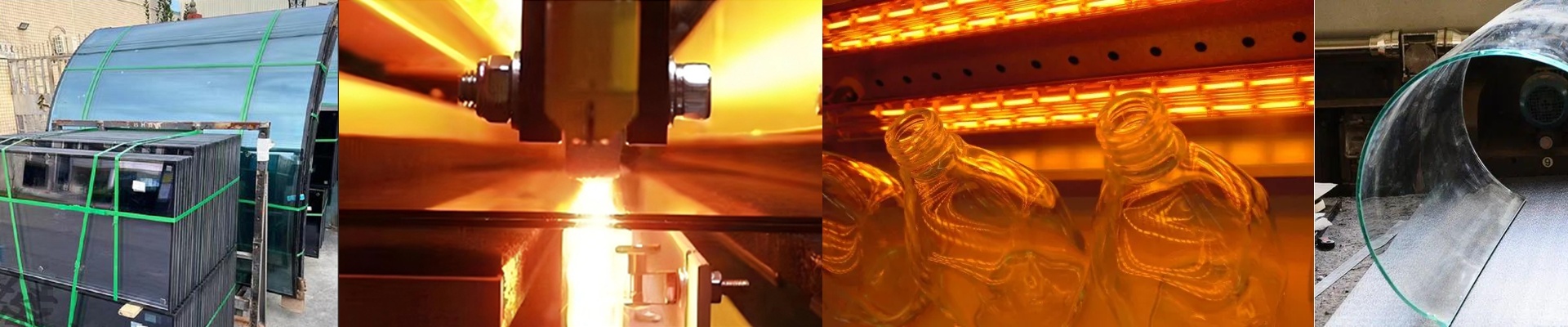
There is nothing worse than spending hours on a piece of lab glassware only to have it spontaneously crack because the internal stress didn’t bleed off during cooling. It’s frustrating. And it’s usually because of a temperature swing of just a few degrees. To stop that from happening, we use high-precision quartz infrared heaters. They keep things within a tight 0.1°C tolerance. It sounds like a tiny margin, but it’s exactly what you need to get through the annealing point without trapping tension in the glass.
Why that 0.1°C actually matters
Most heaters just cycle on and off. This creates a “sawtooth” pattern where the temperature jumps up and down. The problem is that the surface of the glass starts contracting faster than the core. We fixed this by pairing high-density quartz elements with PID controllers that react instantly. Since infrared radiation hits the glass wall immediately, we can snap the temperature back to the set point before a thermal gradient even has a chance to form.
The gear behind the heat
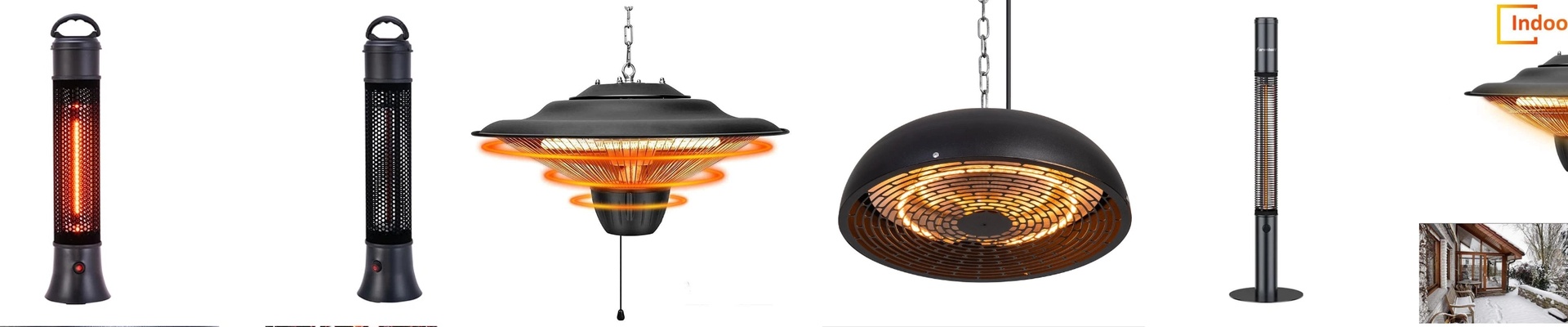
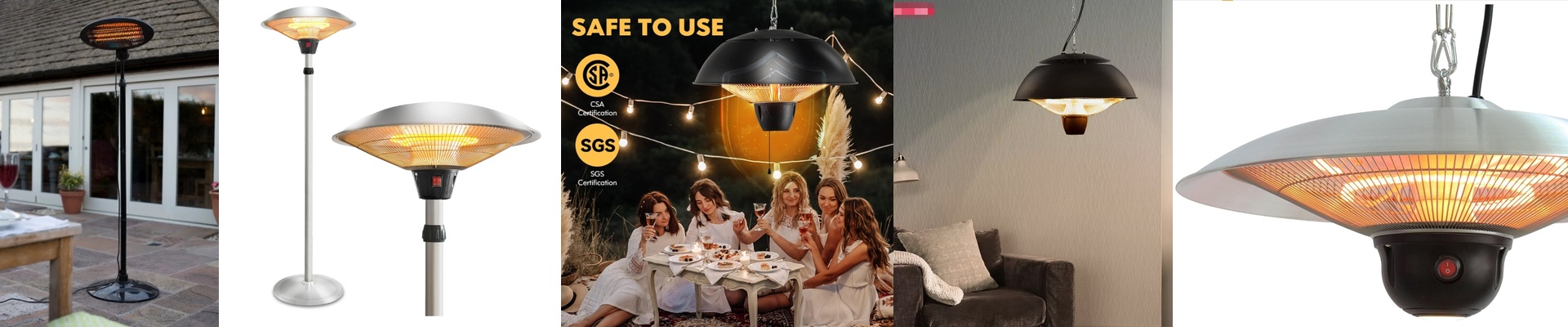
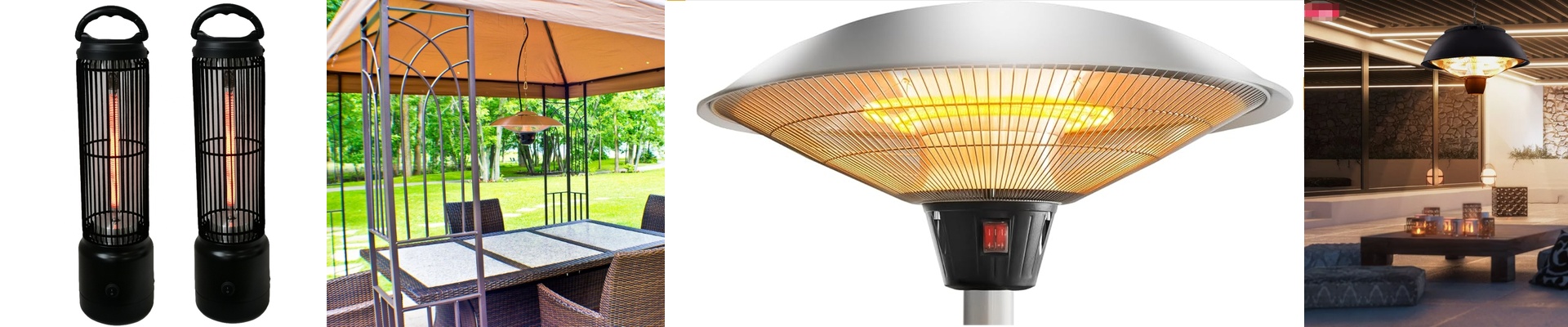
We use high-purity quartz tubes for these heaters. Why? Because impurities can mess with the emission spectrum. We also center the filaments so the heat flux is uniform across the whole vessel. You won’t find any annoying cold spots on your flasks or beakers. Just a heads-up: these elements run hot. They give you the heat density you need for fast ramp-ups, but they’ll pull a lot from your power supply. Make sure your wiring and contactors can handle the peak current. If you have a voltage drop, you’ll lose that 0.1°C precision.
No more stress fractures
The whole point here is a slow, steady slide through the annealing range. When you keep that temperature curve flat, the viscosity of the glass stays uniform. No surprises. No sudden pops. Just glassware that passes a polariscope inspection every single time.