Why You Should Preheat Your Glass Before Cutting
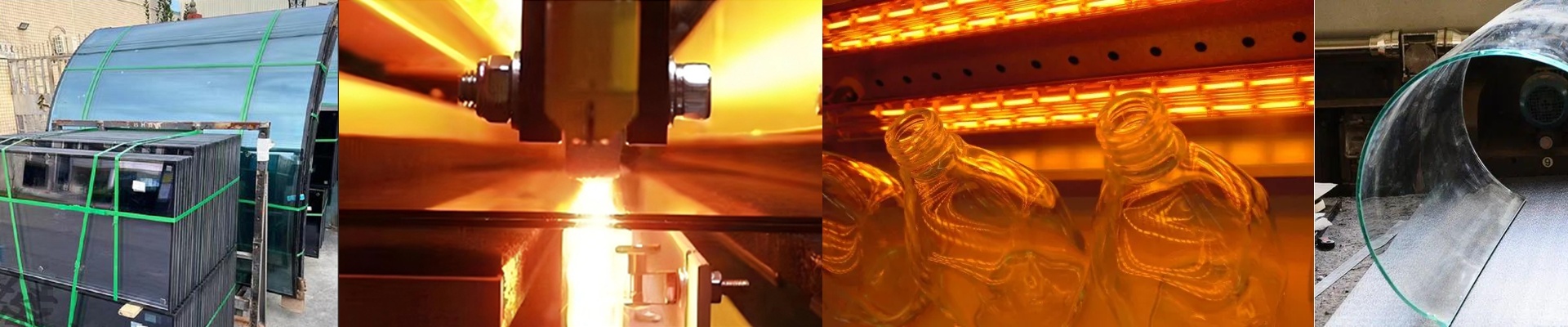
Cutting a glass bottle is basically just a fancy way of breaking it on purpose. You score a line to create a stress point, and then you hope for the best. But here’s the problem: when glass is cold, it’s stubborn. The crack often wanders off the path, leaving you with those annoying jagged edges and chips that you have to spend forever sanding down. That’s where infrared (IR) preheating comes in. It changes the way the glass behaves. Getting that clean snap Glass doesn’t move heat around very well. By hitting the cutting line with shortwave IR heat, you’re easing the tension on the surface. When the glass is warm, the fracture doesn’t wander. It just follows your score line exactly. You get that satisfying, clean snap instead of a messy shatter. Why bother with IR lamps? I use IR heaters because they don’t waste time warming up the air around the bottle. They shoot energy straight into the glass. This means you can heat up a tiny, precise band of glass in seconds without turning the whole bottle into an oven. It’s fast and efficient. But you have to be careful. There’s a “sweet spot” for the temperature. If it’s too cold, you’re still chipping. If you go overboard, the thermal shock will just blow the bottle apart in your hands. I’d suggest using a PID controller to keep things steady so you aren’t guessing. The messy reality of the build If you’re putting together your own rig or building a small machine, keep in mind that high-wattage lamps gethot. Like, really hot. They don’t just heat the glass; they heat everything around them. If you don’t have a good fan or some solid ventilation, you’ll end up frying your electronics or warping your metal brackets. One last tip: check your wiring. Use high-temp rated insulation, or you’ll be dealing with melted wires and a potential fire before the day is over.