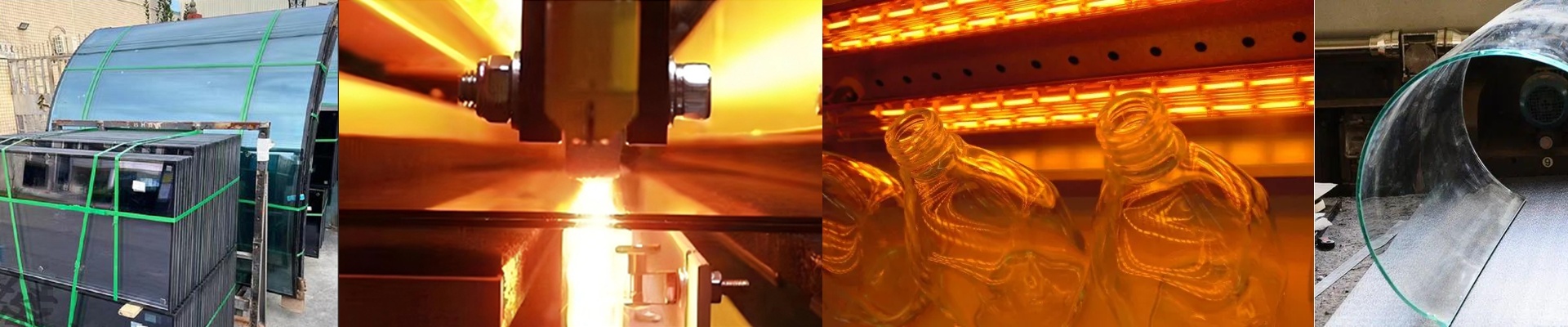
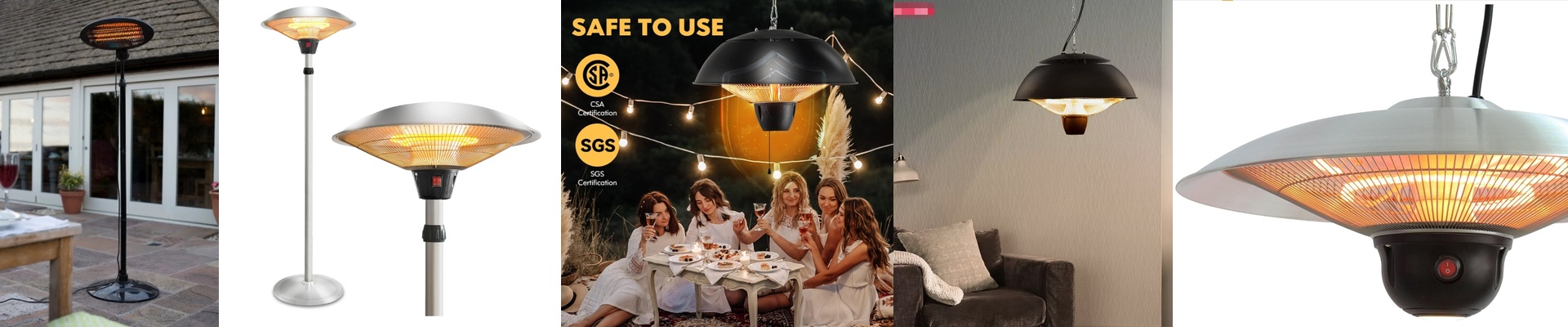
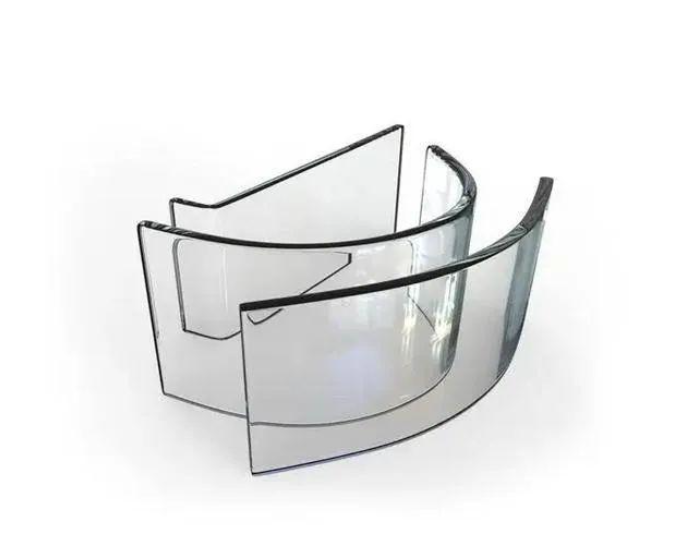
On the insulating glass line, time and temperature don’t bend. If the sealant doesn’t see the right profile along the full bead, you’re asking for premature fogging, adhesion loss, and the kind of callbacks that cost real money. Standard ovens and fixed radiant panels tend to overheat the frame, burn energy, and still leave the corners under-cured. A portable glass sealant heater puts control back where it belongs—right at the press table, in the operator’s hands. What we built around, technically We went with short-wave quartz infrared elements because they put heat straight into the sealant, not the air around it. That gives a fast ramp to target temperature with tight control. Power sits at 1.2–1.8 kW, 230 V, on a compact frame sized to fit between glazing stations. The rectangular heat pattern is focused on the bead, so you’re not cooking the metal spacer and gaskets for no reason. Set the temperature on a straightforward controller, and you’re at setpoint in under 60 seconds. The housing is shop-floor tough, and the cable routing keeps it clear of moving clamps. Why it holds up on the line You get repeatable curing across the entire bead, which cuts rejects from uneven adhesion and thermal stress at the glass edge. The quick heat-up shortens cycle time and supports higher throughput without adding ovens. Energy use drops because you’re heating the target, not the whole frame. In practice, that shows up as lower kWh per IG unit, fewer scrapped sheets, and less downtime spent reworking. Maintenance is simple—lamp replacement is quick, and the solid-state controller has no moving parts to chase. The practical details that matter This is a line-side tool. It’s not a replacement for a full oven cure when the spec demands it. Clearance to the glass and consistent positioning matter, so use the included guides to keep the beam aligned. Match voltage and connector to your station, and verify distance to the sealant so you don’t overheat the spacer. Set it up right, and you get a straightforward way to stabilize quality, trim energy use, and cut service calls.