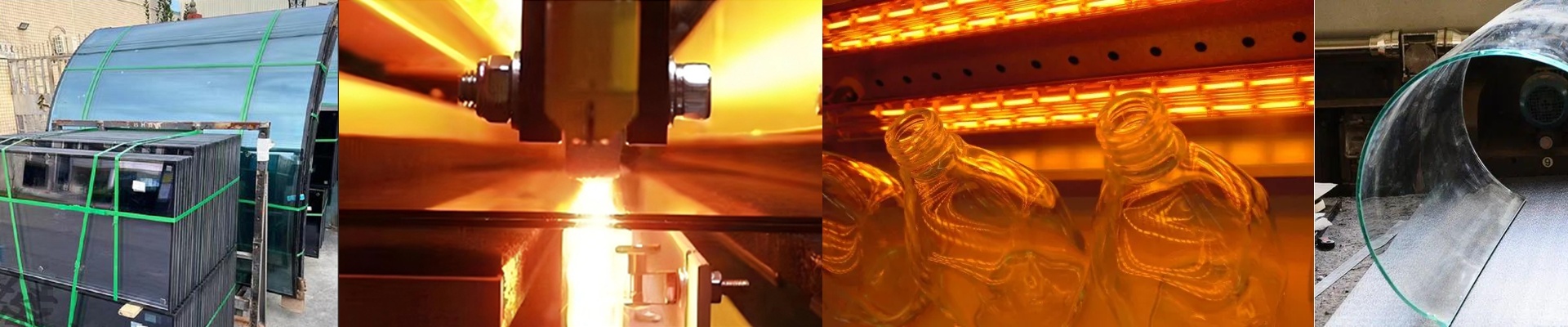
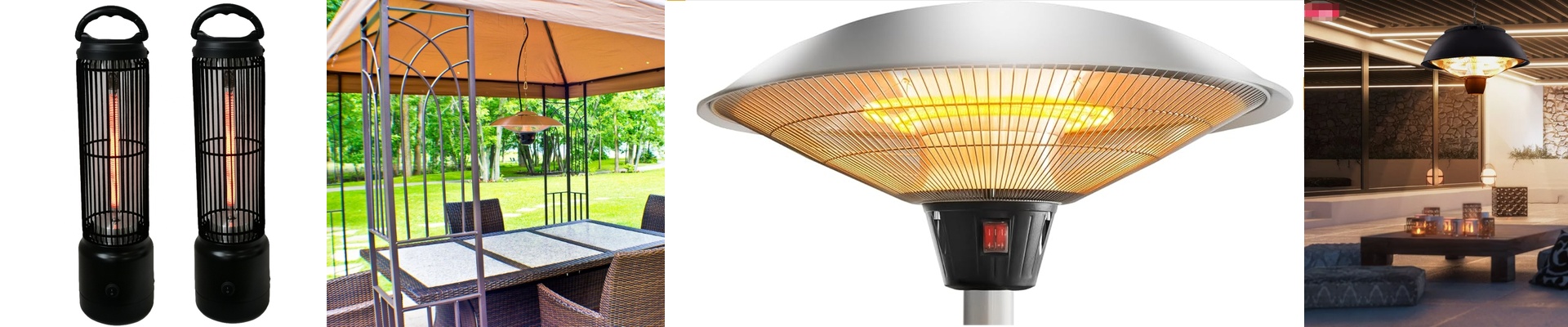
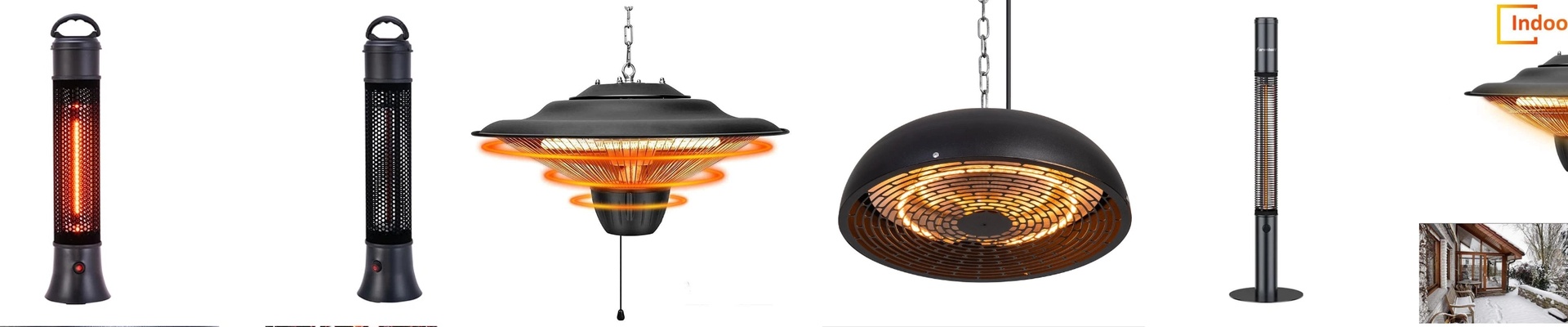
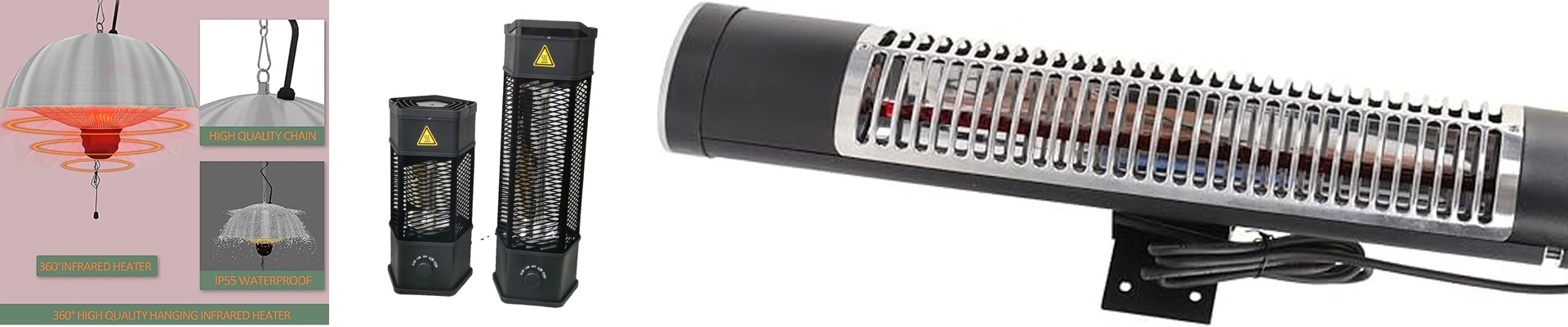
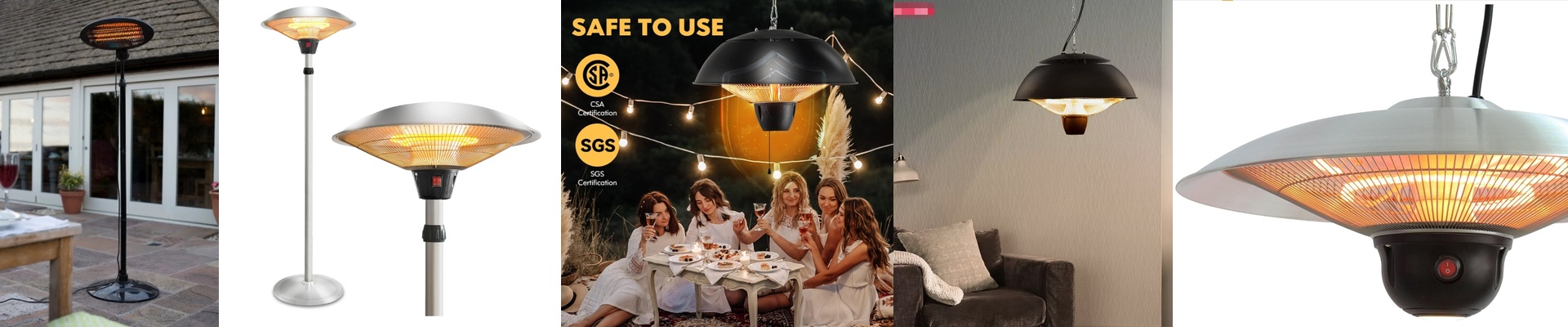

If your winter nights turn into a tug-of-war between staying warm and keeping the electric bill from getting out of hand, you’re not the only one. Electric oil-filled radiators are familiar, but they heat the air—and that warm air slips right out through walls and ceilings. Infrared heaters flip the physics of comfort by warming people and surfaces directly. The real question is: how much can you actually save without giving up that cozy feeling? What matters under the hood Infrared delivers radiant warmth that travels in straight lines, like sunlight, and gets absorbed by your skin and furniture. Because the heat transfers directly, less of it goes to waste up near the ceiling. The carbon fiber element in our digital thermostat infrared heaters turns electricity into infrared warmth fast, with almost no warm-up. The built-in digital thermostat holds the room at your set temperature, smoothing out the swings that make heaters cycle on and off. In practice, you can often run the unit at a lower average power setting and still feel just as comfortable as you would with a higher-wattage oil-filled radiator. Why this works where you need it Compared to electric oil-filled radiators, infrared can deliver the same perceived warmth using less total energy because it isn’t spending power just to heat the air. In a living room or covered patio, you feel the heat almost instantly, and it stays where you want it—at floor level and around the seating area. That means lower running costs over the season, especially in drafty rooms or spaces with high ceilings. You also get the convenience of immediate heat, and the thermostat keeps things from overshooting once the space hits your target temperature. What to keep in mind Infrared warmth is directional, so placement matters. Aim the heater to cover the main seating area and keep the beam clear of obstructions. For indoor use, pick a model rated for indoor environments; for the patio, go with an outdoor-rated unit that has the proper IP protection. Most units plug into a standard outlet, but if you’re running it for long stretches, it should be on a dedicated circuit. One thing to expect: because infrared heats objects directly, the air can feel a bit cooler than your skin. That means the thermostat setting may feel different than with convection heaters. Start at the setting you normally use, then fine-tune once you settle into the radiant warmth.