On the glass line, annealing is where you lock in yield—or throw it away. A weak thermal profile leaves residual stress sitting in the ribbon, and it will come back to bite you later as spontaneous breakage, optical distortion, or rejected automotive glazing. The annealing heater has to deliver repeatable heat, fast enough to keep pace with your cycle, and uniform enough to hold thermal stress below the fracture threshold.
What matters, technically
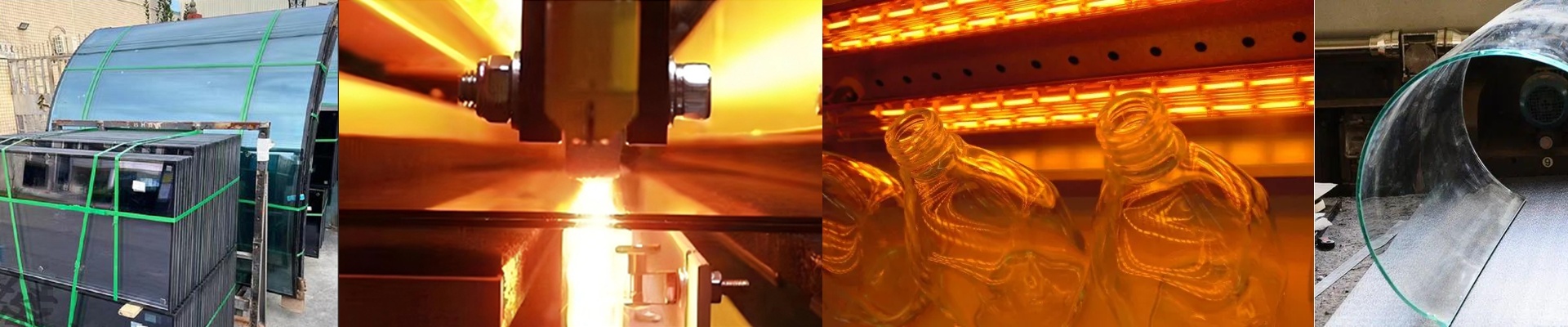
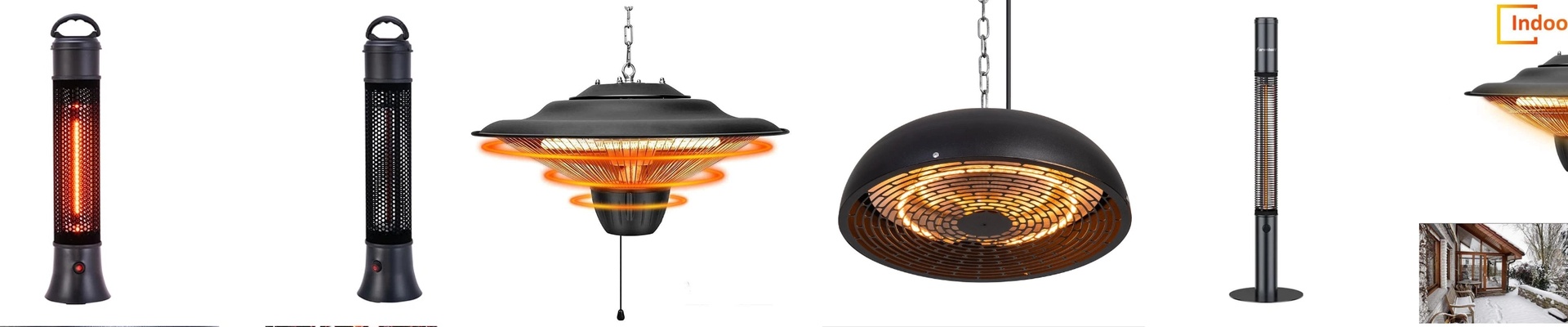
We build our glassware annealing heaters around quartz short-wave infrared elements because they respond immediately and put the energy straight into the glass, not the air around it. That gives you tighter temperature control and less lag between setpoint and actual surface temperature. Input power is matched to your furnace or lehr geometry—typically 1–3 kW/m² per zone—so you can tune heat density without overshooting. Element spacing and reflector geometry are worked out to flatten the temperature curve across the width of the glass, cutting down edge-to-center swings that drive warp and stress. The hot zone stays compact, runs at high power density, and still keeps energy draw predictable.
Why this matters on the floor
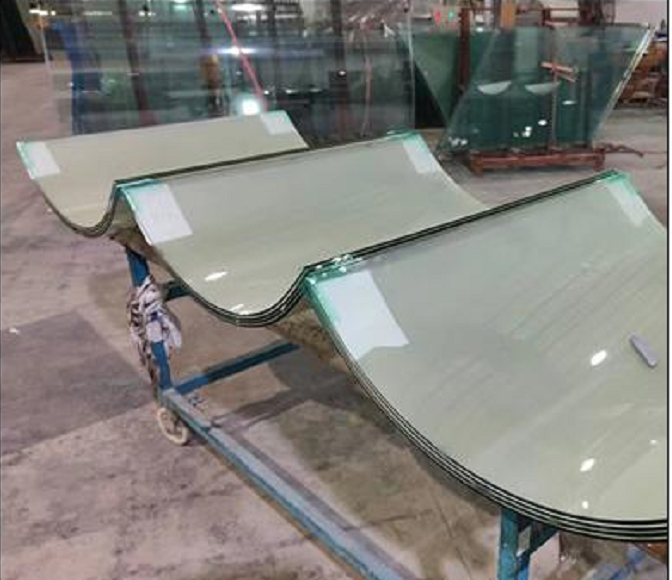
In glass processing—tempering, bending, lamination prep, and insulating glass sealing—annealing quality sets the baseline for everything that comes after. A stable annealing heater shortens soak time, trims cycle time, and reduces scrap from thermal shock and optical defects. You end up with more consistent glass flatness, fewer micro-cracks, and less rework. Energy use drops because the heater delivers heat on demand with minimal standby losses, and the fast response keeps the line moving at throughput.
The practical details you can’t skip
These heaters are line-hardened, but they still need proper mounting and clearance—airflow and service access matter. Match voltage and connectors to your control cabinet, and make sure the control strategy (PID, ramp/soak, zone interlock) lines up with your lehr. Plan for clean power; voltage sags will shorten element life. Lead times get shorter when you standardize on frame sizes and terminal layouts, and specifying spare elements up front saves you from line stops when you need them.