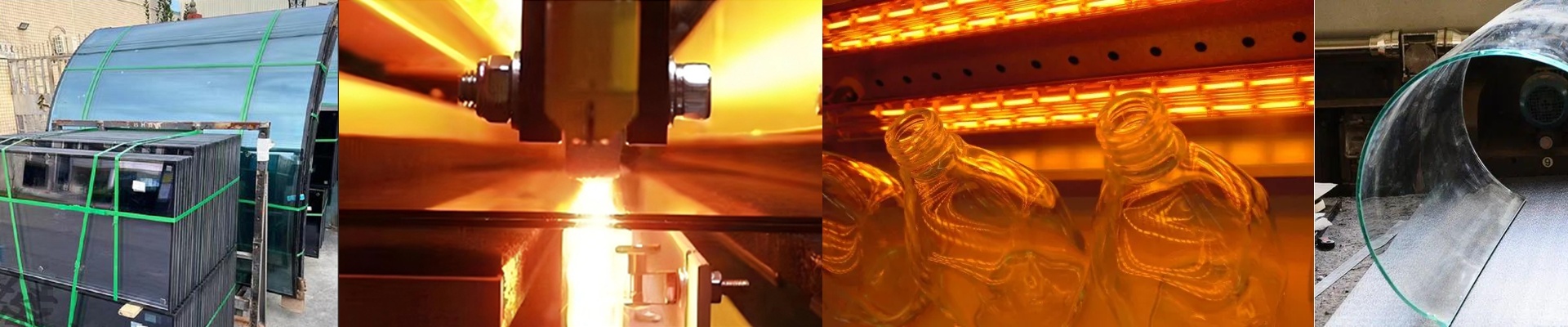
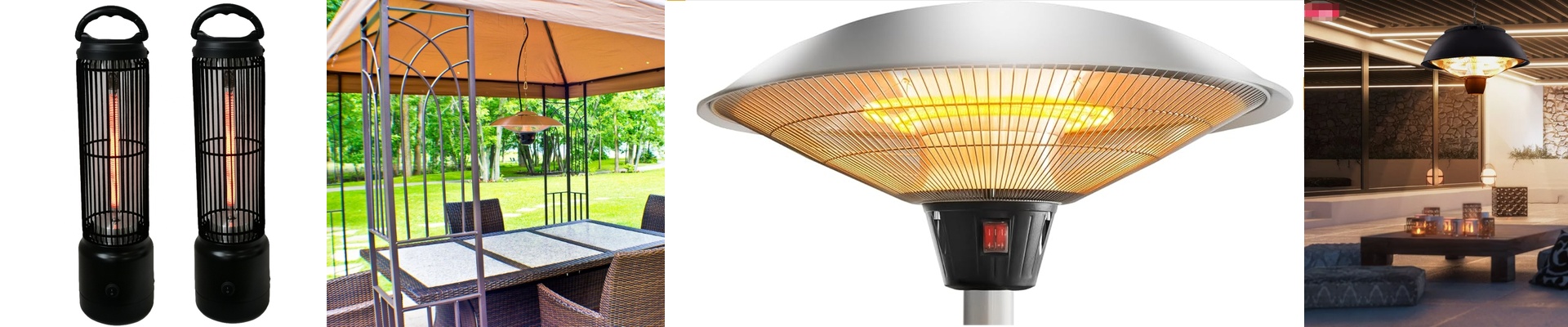
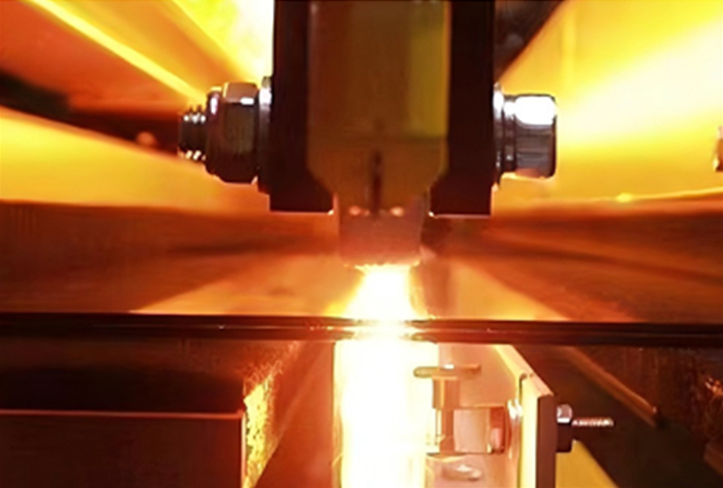
On the bottle line, a sloppy heat profile doesn’t just burn gas—it bakes stress right into the glass. When annealing isn’t balanced, you’ll see spontaneous cracks, wavy walls, and dimensions that drift so much QC can’t sign off. What matters under the hood We built the bottle annealing furnace heater around medium-wave infrared emitters in a quartz envelope. They respond fast and hold output steady, even in oxidizing furnace atmospheres. The heater geometry is laid out to spread the thermal field evenly across the belt width, so you don’t get hot spots and cold zones that drive thermal gradients. The payoff is repeatable temperature uniformity across the load, with tight control over the annealing point and the cooling profile. Why this works in practice With bottle annealing, uniform heating is the only way to strip residual stress without writing new stress in during controlled cooling. When distribution is even, the glass relaxes at a consistent rate—so you get fewer thermal fractures, less distortion, and stable optical clarity. That means higher first-pass yield, fewer rejects, and cycle times you can plan around. Energy use drops, too, because the heater hits setpoint quickly and holds it without overshoot. What you need to watch Installation is straightforward, but furnace reflector condition and airflow around the heater make a real difference. Keep reflectors clean and maintain proper clearance so emissivity and convection do their jobs together. Make sure the voltage and termination match your existing busbar or connector layout. In high-humidity plants, confirm the terminal housing ingress protection to prevent tracking. And plan replacements around production windows—emitter end-of-life is predictable, but you have to let the furnace cool to avoid thermal shock to the new module.