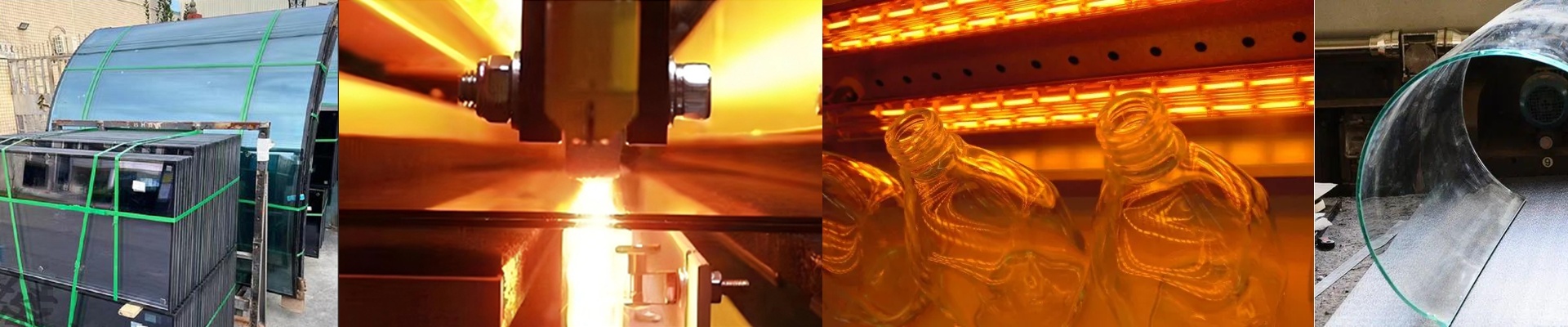
On a tempering line or a laminating press, heat is never the bottleneck you want to live with. Slow ramp-up eats into cycle time. Uneven heat? That’s how you get thermal stress and a pile of rejects. And with conventional heaters, you’re burning power while the plant fights to keep curvature stable and adhesion consistent.
What matters under the hood
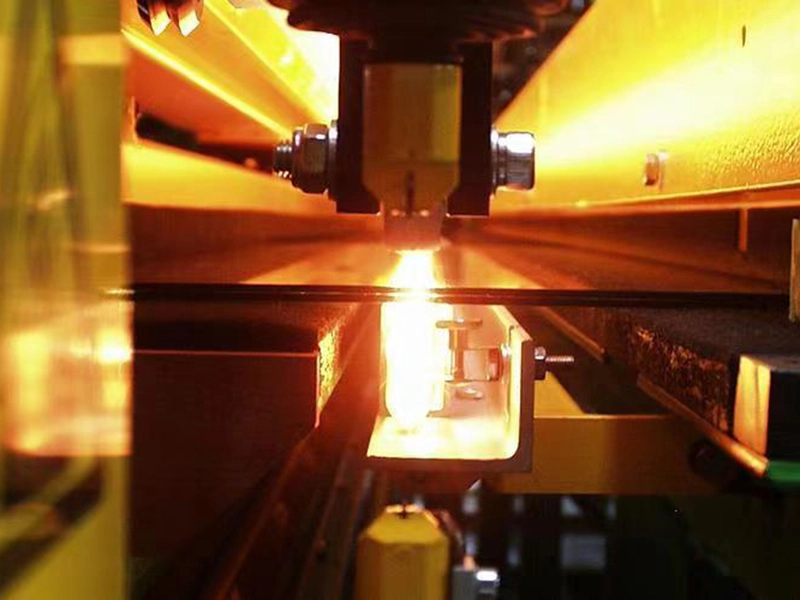
We build our quartz lamps for glass work as short-wave infrared emitters—fast response, high power density, and a compact footprint. The quartz envelope holds up to repeated thermal shock without losing output stability. The filament geometry gives you a focused thermal profile that lands on the glass surface, not in the surrounding air. In practice, that translates to rapid temperature rise, tight zone control, and less wasted energy on convection and re-radiation.
Why this works where you run it
In tempering, you need the glass to hit quench temperature quickly and evenly. These lamps cut the heating window, reduce overshoot, and help keep optical distortion inside tolerance. In EVA/SGP/PVB lamination, they push the adhesive through the full cure curve without hot spots that cause bubbles or edge voids. The result is fewer scrap sheets, higher line speed, and a measurable drop in kWh per finished part.
The practical details
These lamps are engineered as drop-in replacements for many OEM heating modules, but mounting surfaces, terminals, and reflector geometry vary by machine. Check compatibility before installation, and confirm your power supply matches the lamp’s voltage and current profile. **Keep reflectors clean and alignment tight.**Misalignment skews the thermal field, and you’ll see it show up as edge stress or uneven bending.