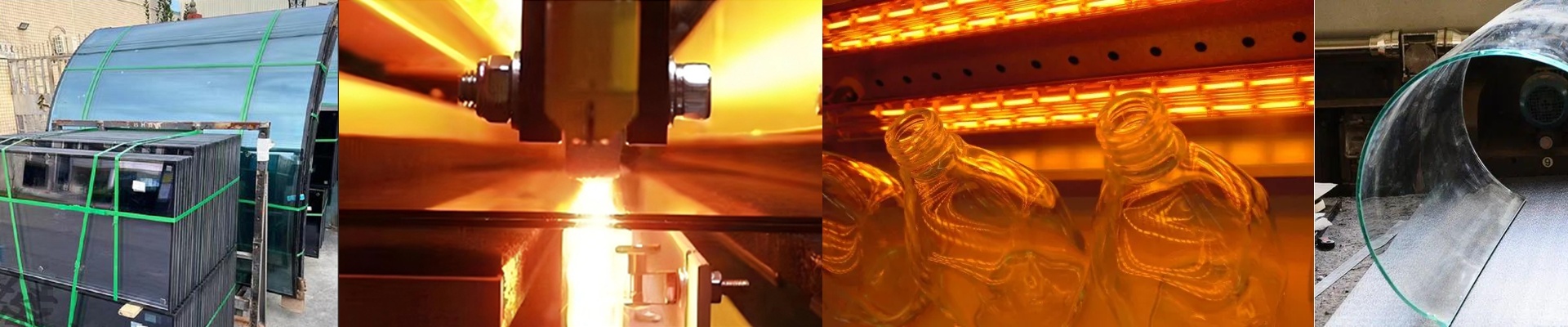
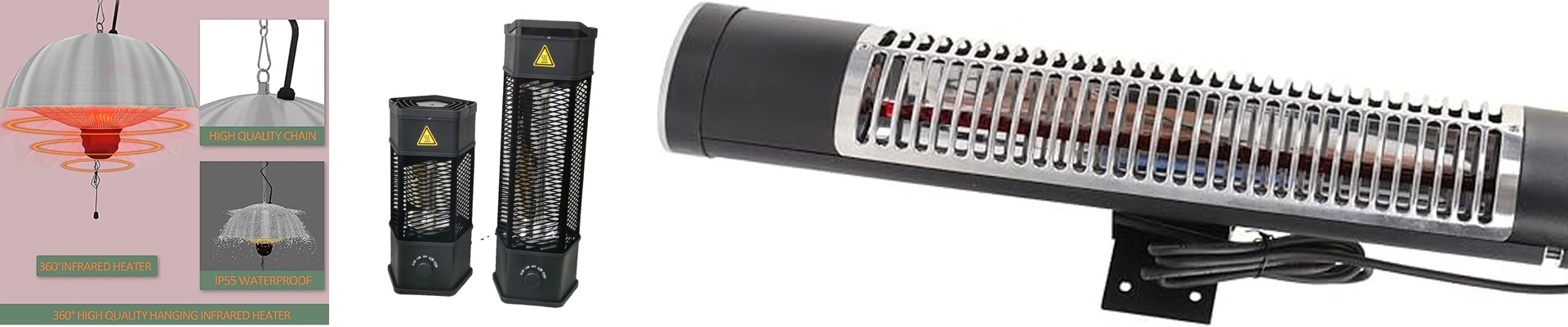
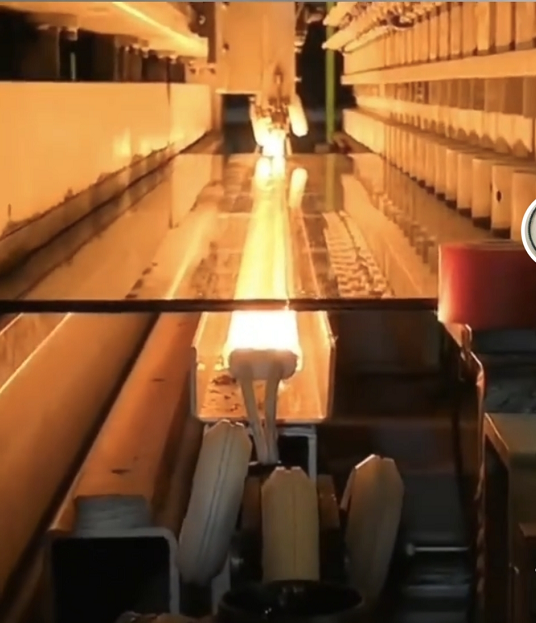
On the IG line, that edge sealant drying lamp isn’t a luxury. It’s the final thermal gate before the unit rolls out. When the lamp drags its feet, you get slow cure, uneven adhesion, and a real risk of thermal stress—enough to crack glass during handling or later, in the field, when temperatures swing. You need temperature you can count on, dwell that repeats, and a heating profile that matches the sealant chemistry without cooking the primary seal. What we build it around We spec the edge sealant drying lamp with short-wave NIR quartz emitters. They respond fast and dump energy straight into the sealant layer. That means quick heat-up with far less wasted air heating, so you drive bead temperature without soaking the glass edge. The output is tuned for industrial duty cycles—stable spectral output and repeatable power, even when the line runs 24/7. And the emitter layout is set up to create a uniform thermal field, so you don’t get hot spots that cause uneven cure and weak edge bonds. Why it fits the IG sealing process On insulating glass sealing, the edge bead cures fast and even, so the line keeps moving. No waiting around for convection heat to catch up. The lamp puts the heat where it matters—into the sealant—without pushing thermal stress into the glass. That matters, especially when the panes have been tempered or thermally strengthened. The payoff is shorter cycle times, fewer rejects from poor edge adhesion, and lower energy use compared to broad-spectrum heating that warms everything in the area. It drops into existing IG sealing stations as a straightforward heating module, with clean wiring and alignment that doesn’t fight the layout. Here is what you watch for NIR drying is line-of-sight, so the lamp has to cover the full bead width, and the spacing directly affects cure rate. Keep the quartz emitters clean and check reflectors regularly—coatings and dust change emissivity and throw off distribution. Match lamp power and dwell time to the sealant formulation and glass thickness, and verify the cure profile with temperature strips or a non-contact pyrometer.