Getting the Heat Right for Mobile Glass Finishing
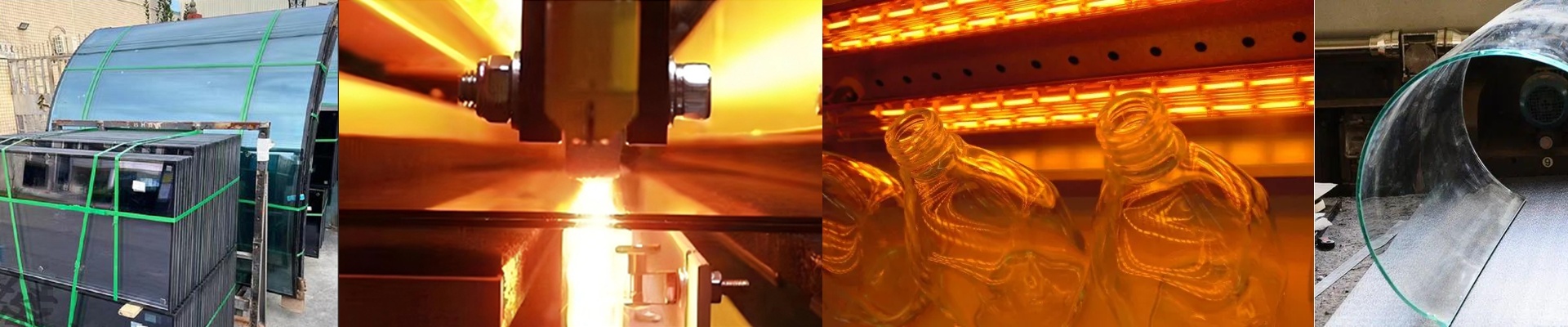
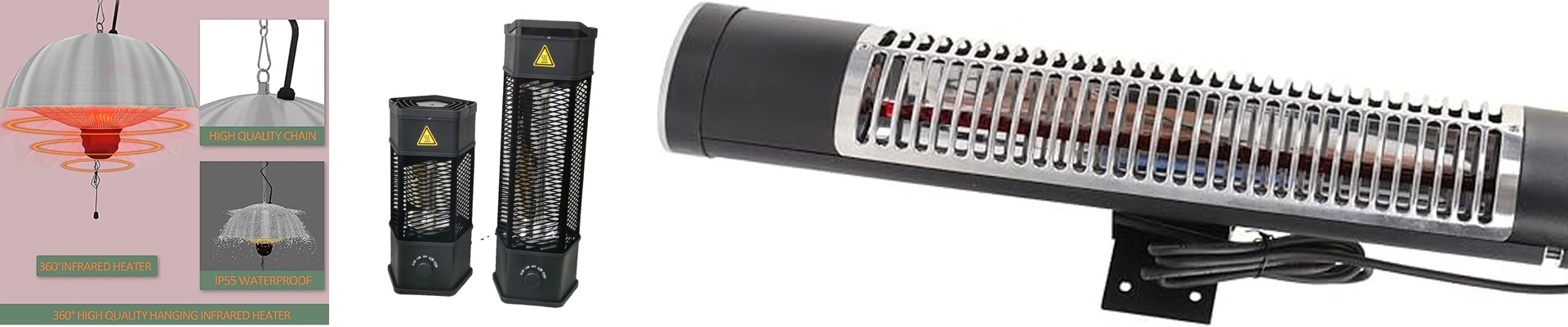
When you’re trying to cram high-performance IR heating into a mobile repair bracket, you’re basically fighting a war between power and space. You aren’t plugged into a massive industrial grid in a factory. You’re in a portable rig. The goal is simple: get the glass to the right temperature fast, but do it without blowing a fuse or melting your own equipment. The struggle with tight spaces To get that punchy heat in such a small area, we go with shortwave IR. It hits the glass surface hard and fast, which is exactly what you need when you’re curing resins or smoothing out a finish on the go. But here’s the catch. When you jam a lot of wattage into a few centimeters, things get hot.**Really hot.**While that means your ramp-up time is lightning fast, it also means we have to shield the bracket. Otherwise, the chassis will just warp under the pressure. The gear that actually works We use quartz-halogen tubes for these setups. Why? Because quartz doesn’t freak out when the temperature swings wildly—it handles the thermal shock way better than regular glass. We also kept the connections simple. Just standard plug-and-play interfaces. If a lamp burns out while you’re out in the field, you just swap it. No rewiring, no headache, no downtime. Then there’s the voltage. That’s usually the biggest bottleneck. Since you’re relying on an onboard power supply, you’re on a tight leash. We spent a lot of time tuning the filament resistance so the lamp pulls as much power as possible without tripping the breaker the second you flip the switch. The trade-offs Look, there’s no such thing as a free lunch. When you push that much heat through a tiny tube, the lamp’s lifespan takes a hit. If you run it at 100% all the time, it’s going to burn out. The trick is to pulse the heat or use a basic PID controller to keep things steady. It saves your lamps from dying early, and more importantly, it stops the glass from cracking because of a sudden heat spike in one spot.