Introduction
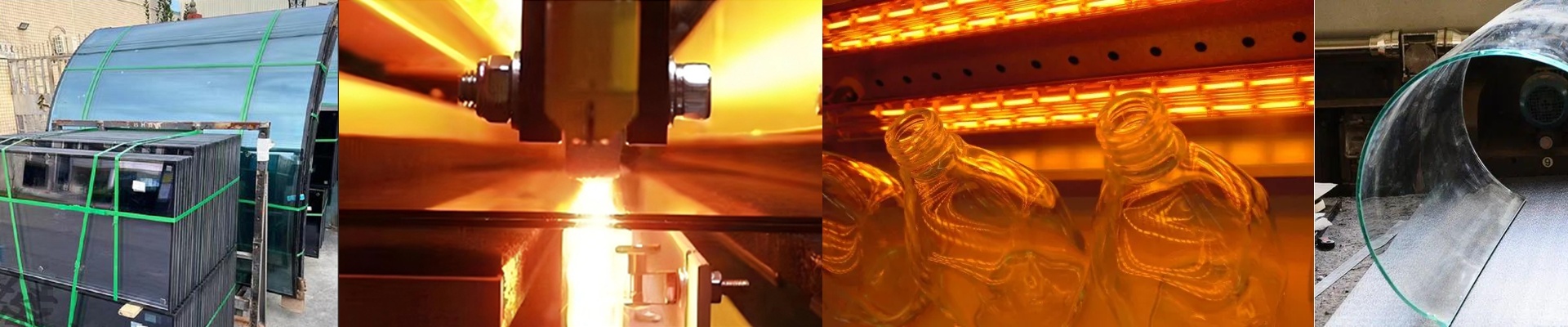
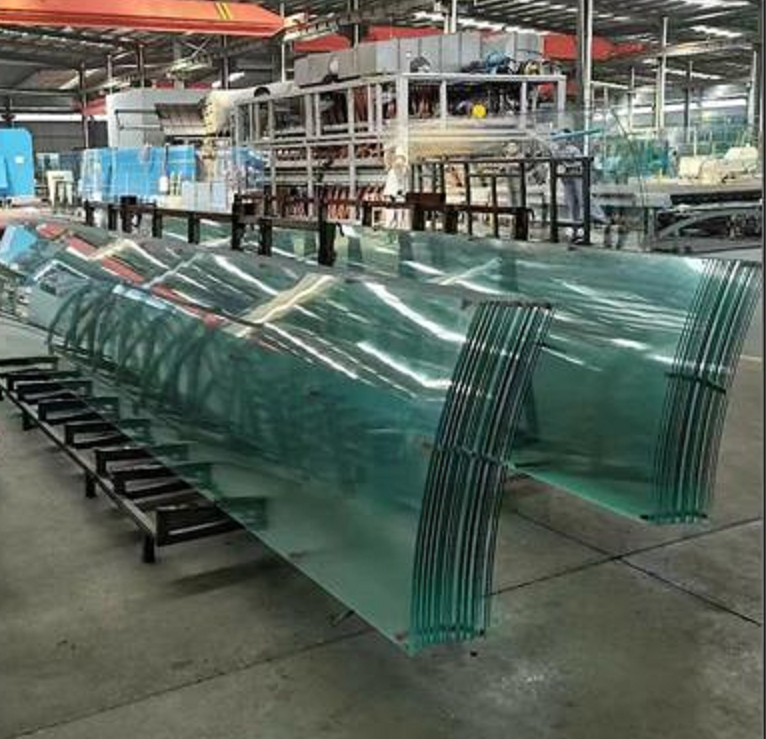
We built this infrared heating system for one reason: to dry and cure high-performance Low-E glass coatings. Speed is everything. We’re talking millisecond response—hit the perfect coating temperature, then shut off fast. The goal is to harden the layer before the air has a chance to oxidize it. On a glass line, you can’t afford to wait around for a slow ramp-up. The filament has to deliver intense heat the moment you need it.
The Power Behind the Process
Here’s the heart of it: a high-voltage, high-power infrared lamp. We run it off a 400V supply, and that’s what makes the magic happen. It pushes the current through the filament so quickly that the lamp hits the target temperature almost instantly. That millisecond reaction gives you precise control right at the coating interface. And the lamp’s length is matched to the width of the glass, so you get even coverage across the entire line. The wattage is tuned to pack a serious amount of heat into a small footprint. That’s how you dry the coating fast. But there’s a trade-off. That kind of heat density means your surrounding equipment has to be ready for it. You’ll need proper cooling and good thermal separation, or else the control electronics and nearby components will get cooked.
What It’s Made Of
We use a halogen-filled infrared lamp with a quartz envelope. Why quartz? It transmits infrared efficiently and can handle the constant on-off cycling without cracking. The internal halogen cycle keeps the filament stable, so it doesn’t burn out from all that repetition. We also put a special coating on the quartz tube. It focuses the energy band toward the absorption profile of the coating layer. In plain English, that means less wasted heat and less total energy needed per square meter. For installation, the lamp uses an R7s connector. It’s a proven, compact two-pin setup that makes the lamp a straightforward drop-in replacement. It gives you a solid connection, handles high current, and keeps the lamp locked in place so the alignment stays consistent.
What It Really Means on the Floor
On the shop floor, the real win is protecting the film, not just drying it. With that millisecond response, you can run a short, high-intensity heating window. It dries the coating while limiting oxygen exposure at the critical moment. The result is a stable film with no oxidation defects. This setup also makes integration simple. The compact size and standard connector mean you can swap lamps quickly during maintenance and keep the line moving. Yes, you have to plan for the heat density with proper cooling and guarding. But when you need a repeatable, oxidation-controlled dry for Low-E glass, this is how you get it done.