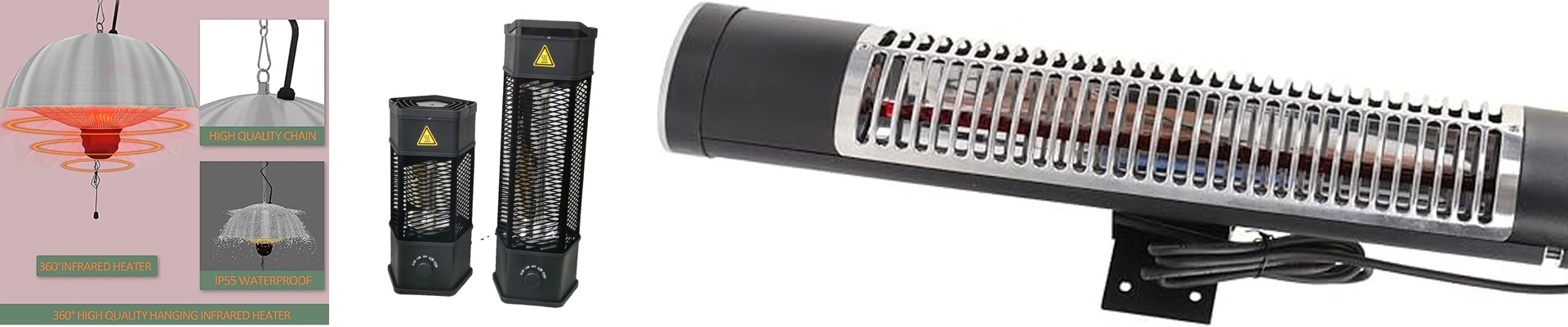
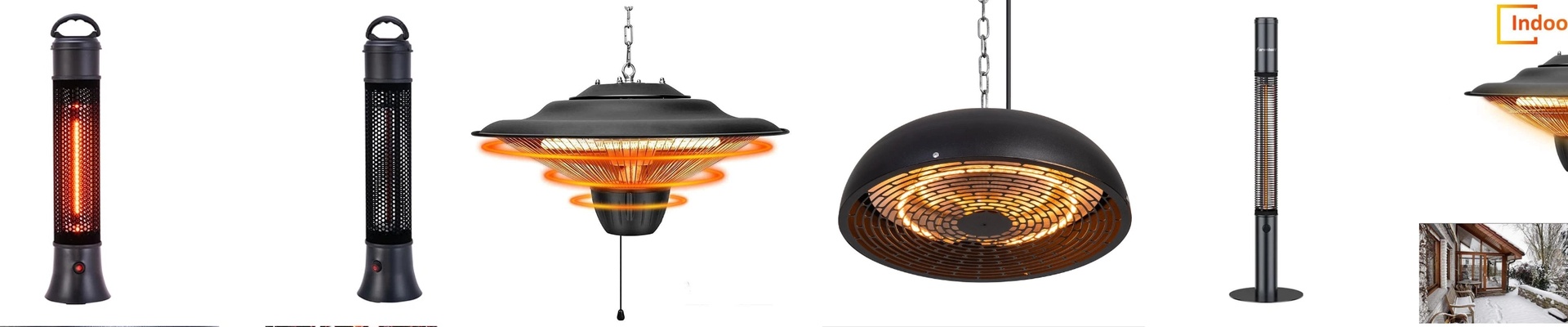
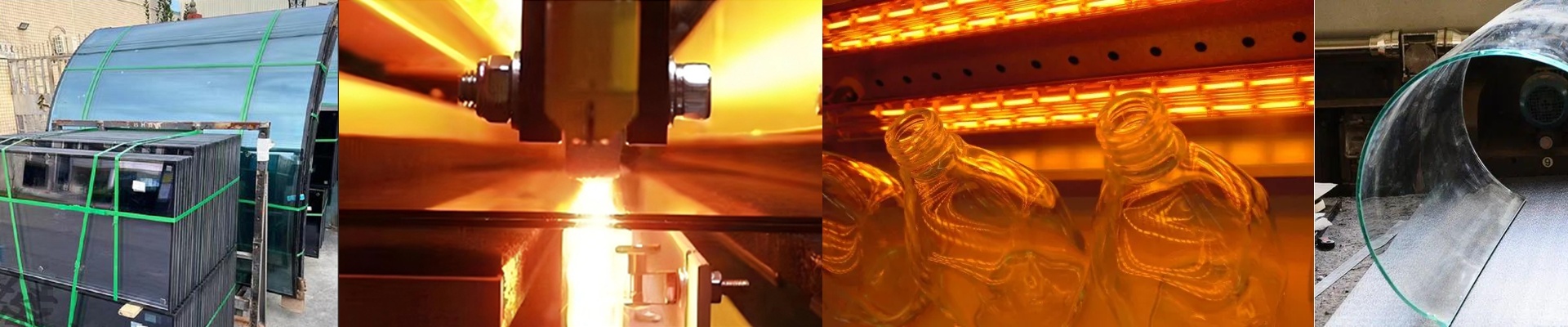
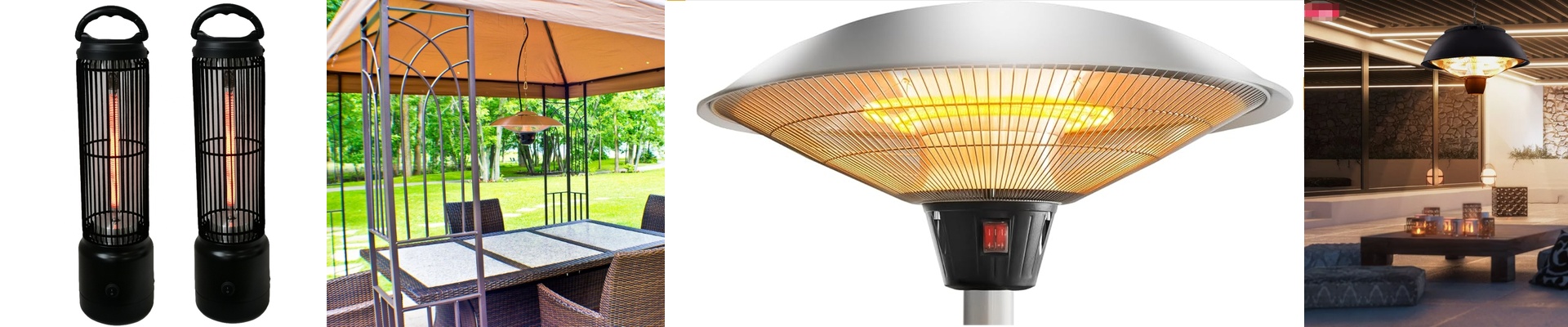
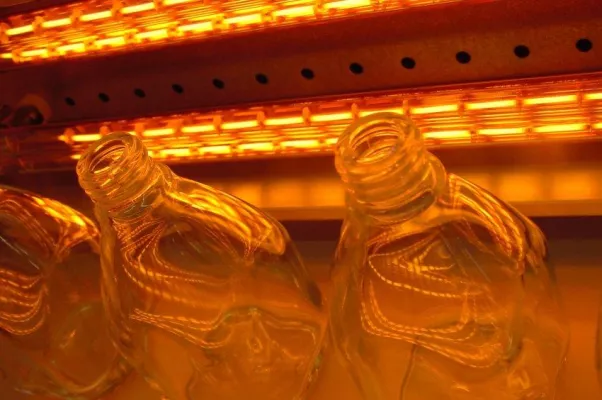
On the glass line, heat is more than temperature. It’s timing, it’s distribution, and above all, it’s repeatability. Get the heating profile off, and you’ll see it fast—optical distortion in bent glass, thermal stress cracks in tempered parts, or weak edges in laminated safety glass. That’s why we built the twin tube infrared heating lamp: to put controllable, fast, uniform heat right where the process needs it, without chasing hot spots or babysitting slow ramp-ups. What matters, technically The twin tube infrared lamp packs a stable radiant output into a compact form. The quartz envelope transmits short-wave infrared efficiently, heating the glass surface directly instead of wasting energy on the air. That cuts cycle time and knocks down convective losses that create uneven profiles across the width. These are industrial-rated lamps—high thermal shock resistance, consistent filament behavior, and predictable emissivity. Spec wattage and length to match your zone layout, and the standard mounting and terminals drop into common holders so you can swap them into existing frames without reworking the oven section. Why it holds up in real processes In tempering, the quench only works if surface temperature is even. Twin tube infrared lamps heat quickly and hold a consistent band, which lowers the risk of thermal stress fractures. In bending, you get localized heat right at the sag point, so shape repeatability is tighter. For coating drying, short-wave output penetrates thin films without overheating the substrate, which helps reduce blisters and pinholes. During lamination, the lamps pull the stack through tack and cure with predictable ramps, so you can hit edge bond strength and optical clarity targets. And in insulating glass sealing, pre-heating the spacer area improves adhesive flow and speeds the secondary seal cure—supporting faster line throughput. Here are the practical details These lamps are sensitive to surface condition and reflector alignment. Keep the quartz clean and the reflectors in place, or the heat pattern drifts. They run hot at the surface, so spacing and guarding have to match the glass pass height and operator clearance. Plan zone spacing to avoid edge overheating, and match power density to your glass thickness and coating stack. With proper setup, we’ve seen stable output over 5,000+ hours, and you can swap lamps individually without retuning the whole oven.