Stop the Cracks: Handling Thermal Shock in Glass Bending
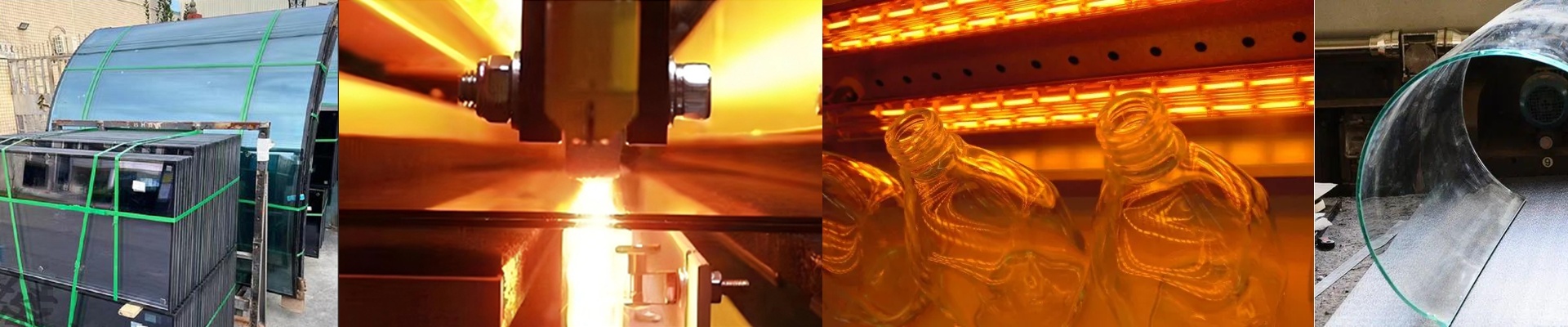
If you’ve spent any time on a glass production floor, you know the feeling. That sudden snap when a vessel hits the tempering phase. It’s frustrating, it’s wasteful, and it usually happens for one reason: you hit the glass with a wall of heat it just can’t handle. To stop that from happening, you need a system that can pivot in milliseconds. You need to be able to crank the power up and dial it back instantly so the glass doesn’t freak out. That’s why we lean on short-wave infrared (SWIR) lamps. They don’t waste time heating up the air around the piece; they put the energy straight into the glass. Getting the heat just right You can’t just flip a switch and hope for the best. If you do, you’re just asking for shattered glass. You need a controller—something like an SCR or a PID loop—to manage the wattage. Think of it like a dimmer switch for your heat. By tweaking the power output on the fly, you create a gentle climb in temperature. This keeps the inside and outside of the glass in sync, which is the only way to avoid those nasty stress fractures. Now, high-wattage quartz lamps get you to tempering temps fast. But keep in mind, that kind of power puts a real strain on your electricals. If you’re running a bunch of 2kW+ tubes, double-check your wiring and breakers. Nobody likes a nuisance trip in the middle of a run. Why short-wave actually works The magic of short-wave emitters is the speed. They’re almost instant. Unlike medium or long-wave heaters that take their time, SWIR hits full blast the moment you tell it to. This means the machine can actually react to how thick a specific piece of glass is while it’s moving. But there is a catch. Short-wave radiation is intense. If your reflectors are dirty or even slightly skewed, you’ll end up with hot spots. And a hot spot is basically a crack waiting to happen. Keep those reflectors polished. It’s a simple chore, but it’s the difference between a perfect piece and scrap. Setting it up on the floor When you’re actually wiring these into your line, pay close attention to your lamp spacing. If they’re too close, you’ll overheat the glass locally. Too far apart, and your cycle times will crawl. The good news? These lamps usually drop right into most standard tempering rigs. Just do yourself a favor and verify the voltage before you flip the power. It saves a lot of headaches.