Let’s Talk About Those Bathroom Heat Lamps
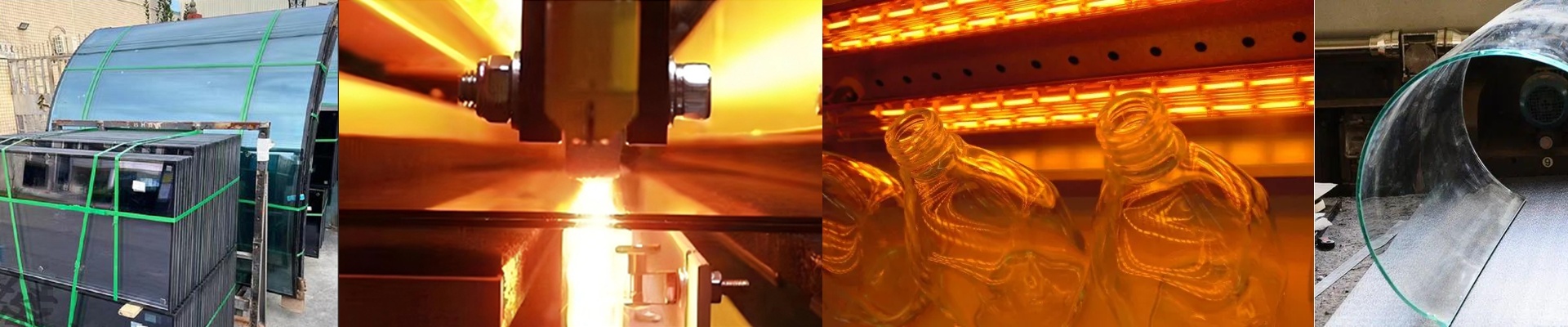
Most of the infrared lamps you see in bathrooms use quartz glass. Why? Because it can take a lot of heat. But bathrooms are a weird place. You’ve got intense heat, thick steam, and then—bam—a cold splash of water hits the glass. On a cheap lamp, that’s a recipe for disaster. The glass can just snap or shatter. That’s exactly why we use explosion-proof quartz tubes.
The “Cold Splash” Problem
Think about it. You’ve got a 500W or 800W lamp running at full blast. The glass is expanded and glowing. If a single cold drop of water hits that surface, the glass shrinks instantly in that one tiny spot. It’s a violent reaction. In a low-grade tube, that stress point causes the whole thing to give way. We handle this by using a tempered quartz mix and a protective layer. It keeps the tube from bursting outward. Even if the filament inside decides to quit, the glass stays in one piece. No shards, no mess.
What’s Actually Inside
We use high-purity silica. It sounds fancy, but it basically just means the infrared heat goes straight through the glass to warm you up, rather than getting trapped in the housing and overheating the fixture. And just to be clear: “explosion-proof” doesn’t mean the lamp is a bomb. It just means the glass is tough enough to handle those wild temperature swings without losing its seal.
A Few Tips for Installation
You can’t just shove these into any old fixture and hope for the best. These things gethot. Like, really hot. Make sure you leave plenty of breathing room between the lamp and your ceiling. If you cram them in too tight, you’re going to scorch your ceiling or fry your wiring over time. Also, do yourself a favor and use high-temp rated leads. One last thing: the glass is tough, but the seals are where things usually go wrong. Check your gaskets. If water leaks into the end caps, your filament will burn out long before the glass ever has a chance to fail.