Introduction
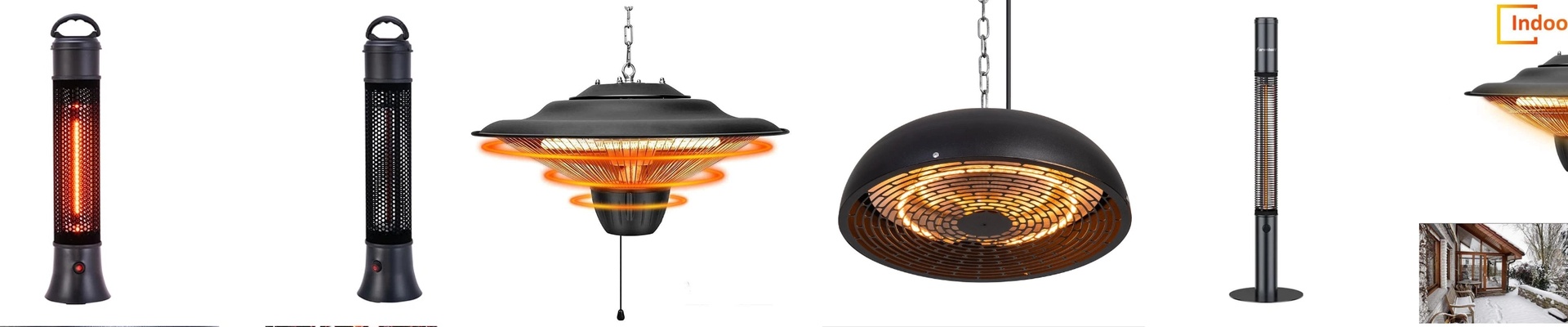
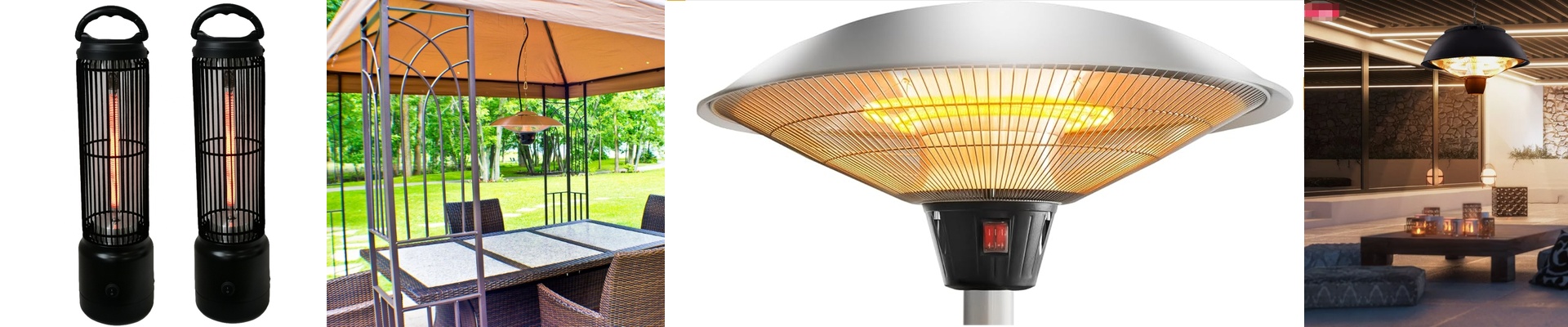
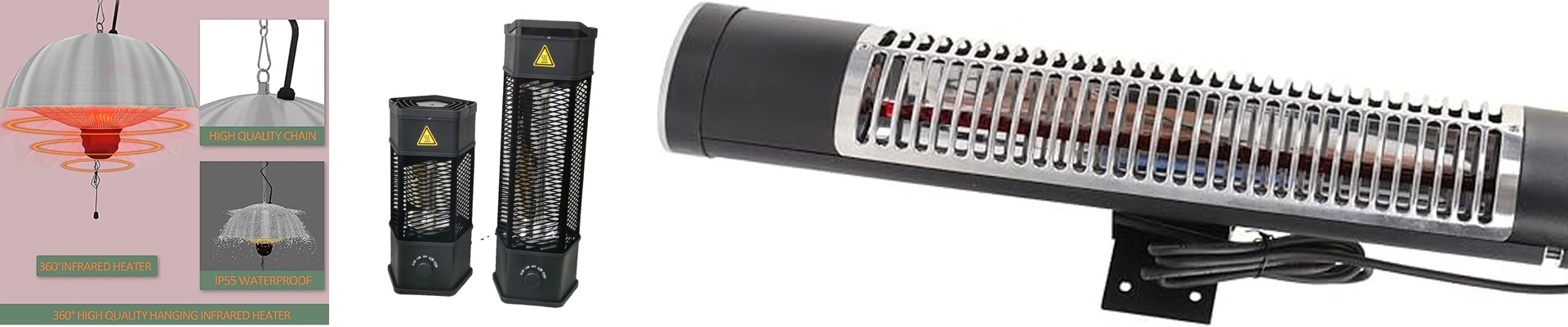
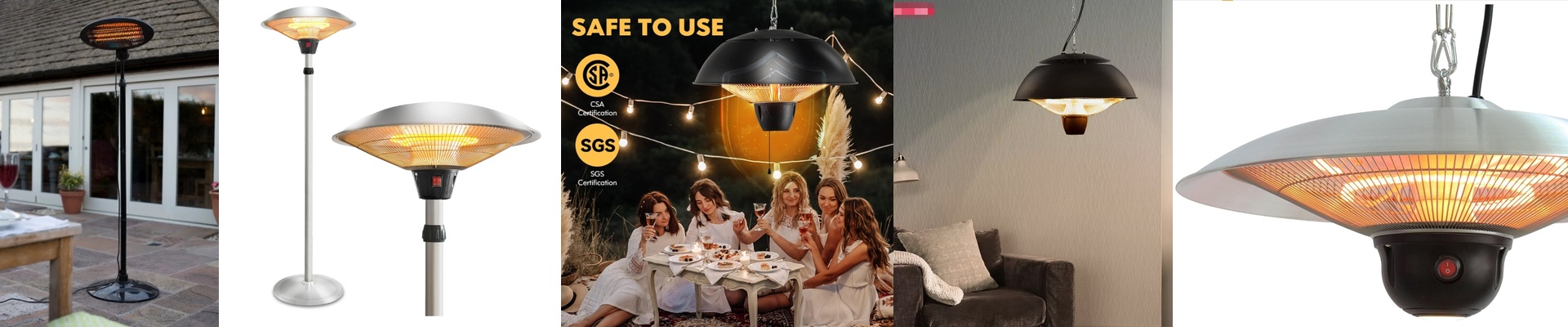
We built this IP65 waterproof infrared heater for one reason: to give you fast, focused warmth in places that are damp, wet, or just plain cold. It doesn’t waste time heating the whole room. It sends the heat straight where you need it, so spaces like changing rooms, workshops, and outdoor shelters warm up quickly—right when you need them to.
How It Works (Without the Tech-Speak)
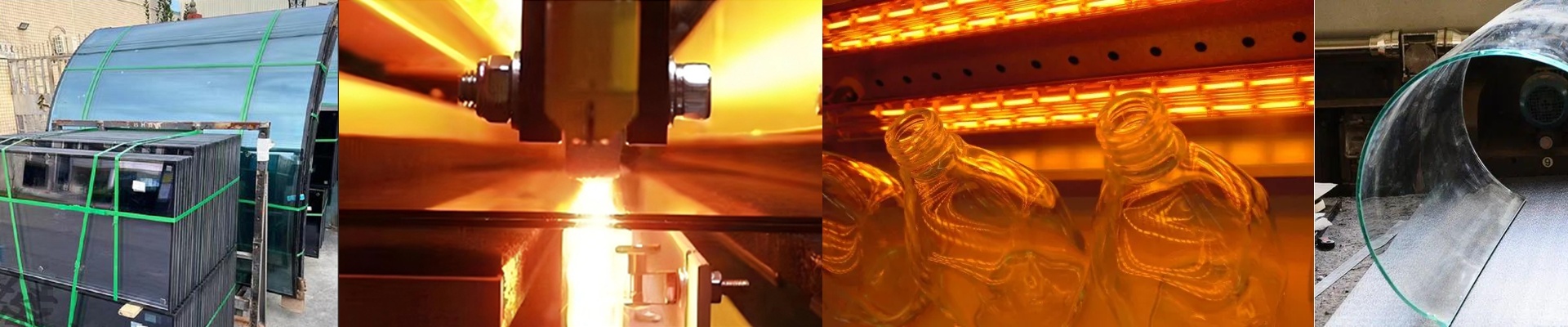
This heater uses shortwave infrared to warm people and objects directly. The feeling is almost immediate—one moment you’re chilly, the next you’re comfortable. It’s fast. Really fast. Inside, you’ve got a tough quartz tube that handles the heat and the constant on-off cycling without cracking under pressure. And that IP65 rating? It’s not just a number. It’s a promise. It means this unit can live in environments where water spray, humidity, and dust are part of the daily routine. The internal electrical parts stay dry, so you don’t have to worry about short circuits or corrosion taking the unit down.
The Build, Up Close
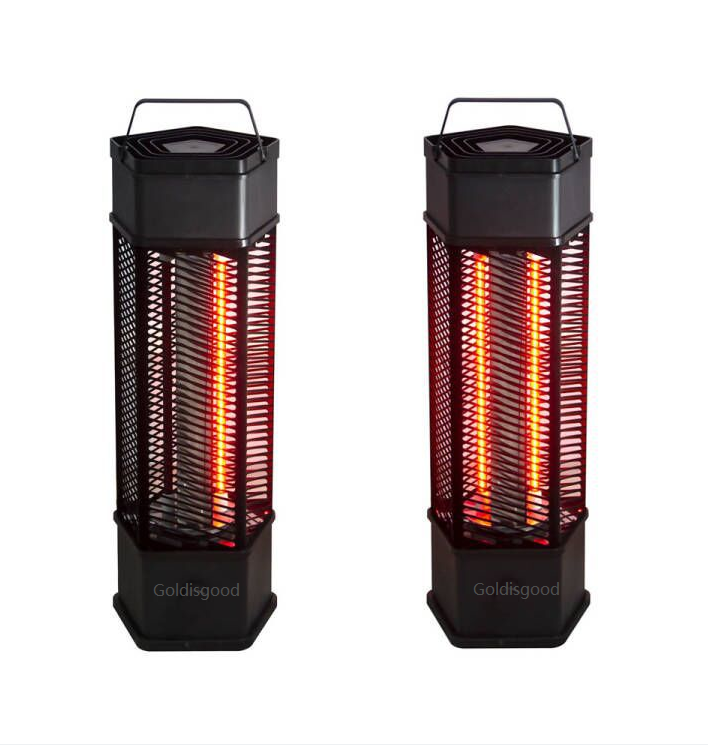
At the heart of it is a high-output halogen element inside that quartz tube. It fires up fast and throws out intense, targeted heat. It uses an R7s connector—the standard two-pin end cap that most people already know. It’s simple to wire, stays secure, and doesn’t get rattled by vibration or the natural push and pull of thermal expansion. We also added a special reflective coating behind the element. It pushes more energy forward, so you get more usable heat and less wasted. The whole design is compact, high-density, and meant to drop right into existing infrared setups with minimal hassle.
Where It Shines—and What to Keep in Mind
Think about a cold changing room. You flip the heater on, and instead of waiting around for the air to warm up, you feel the heat almost instantly. That direct warmth makes all the difference, and you’re not throwing energy at air that’s just going to escape through the door. Now, because this delivers a lot of heat in one spot, you do need to plan for clearance and ventilation. Keep the area around it open, and make sure it’s paired with good insulation and a circuit that can handle the load. Do that, and you’ve got a heater that just keeps going—even when the conditions are wet and unforgiving.