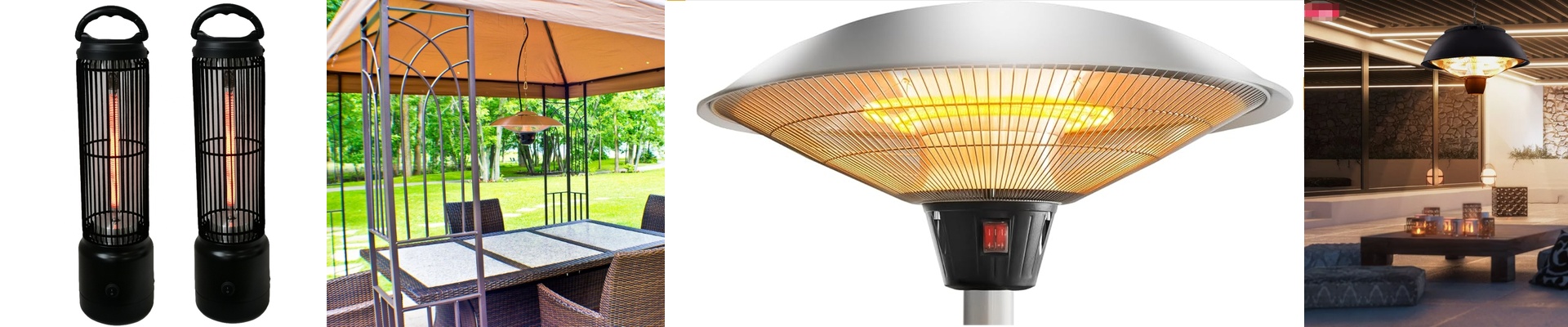
The Medium-Wave Infrared Secret for Stress-Free Lab Annealing
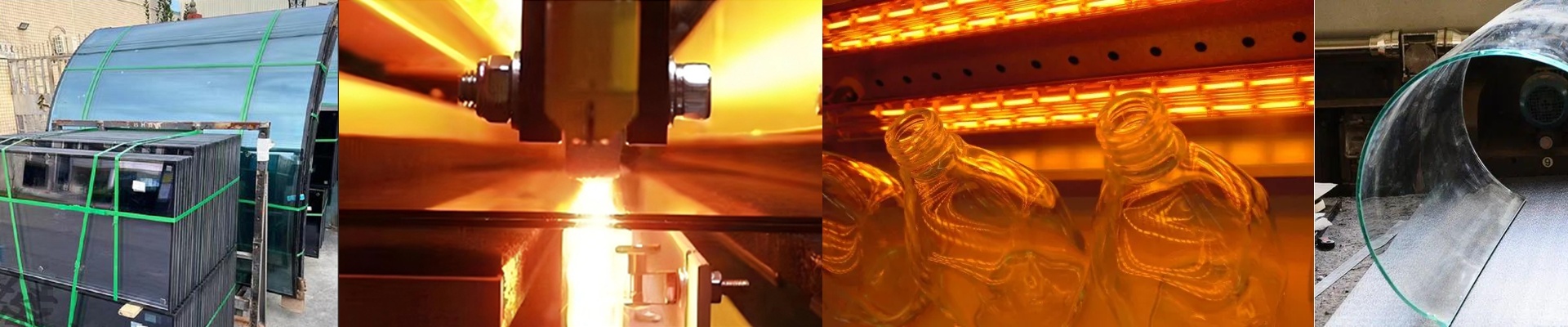
We built this medium-wave quartz heater tube for one reason and one reason only: to anneal lab-grade glass without the heartbreak of Stress fractures. The problem is painfully familiar. Uneven heat creates internal stress, and that’s what makes your glass crack. The fix? Rapid, controlled heating that actually follows the glass transition curve. This tube is an infrared emitter, tuned to match exactly how borosilicate and soda-lime glass absorb heat. It sends energy straight into the material, not into the air around it. That direct transfer is why we can hold a setpoint with 0.1°C precision. When you’re annealing, that kind of control isn’t just nice to have—it’s the difference between a perfect pane and a cracked prototype.
Power, Voltage, and How It Responds Under Load
These medium-wave quartz tubes are built for speed and stability. They respond fast and hold steady, as long as they’re on the right electrical load. We spec them to run at industrial voltages so you can wire them in and get to work—no machine redesign needed. The wattage is high enough to move glass through the annealing range quickly, which cuts cycle time and lowers total energy use. But here’s the catch with high wattage density: it throws off serious radiant heat. Your fixtures and reflectors have to be able to take it. If the enclosure is too small or ventilation is weak, ambient temperatures climb and components wear out faster. So plan your cooling and clearances the same way you plan your thermal profile—thoughtfully.
What It’s Made Of—and Why It Stays Tough
We use quartz because it handles wild temperature swings without complaining, and it keeps output stable cycle after cycle. Inside, the medium-wave filament produces infrared energy in a band that glass absorbs really well, which helps keep the temperature even across the target. And the tube is designed to be a drop-in replacement. Standard end-cap terminations mean you can swap it in the field without modifying the socket. The quartz envelope is sealed to keep contamination out, because even small deposits on the surface can change emissivity and throw your control off over time.
Why This Matters When You Need Stress-Free Glass
In precision annealing, stress control comes down to repeatability. With 0.1°C control, you can hold soak temperature long enough to relieve internal stress without overshooting. The infrared tube heats on demand, so the controller sees a tight, responsive loop between command and response. That consistency gives you a repeatable process window. You can document setpoints, hold tolerances, and qualify runs with results you can count on. And the footprint is compact, which is a lifesaver when you’re working inside lab ovens and glass forming lines where space is tight. Like any high-heat component, it needs a bit of care. Run it within rated voltage, keep the envelope clean, and replace it at end-of-life. Do that, and you keep stress fractures out of your glass—and keep your annealing process right where it needs to be.