
Power and Placement: The Real-World Reason Behind the Design
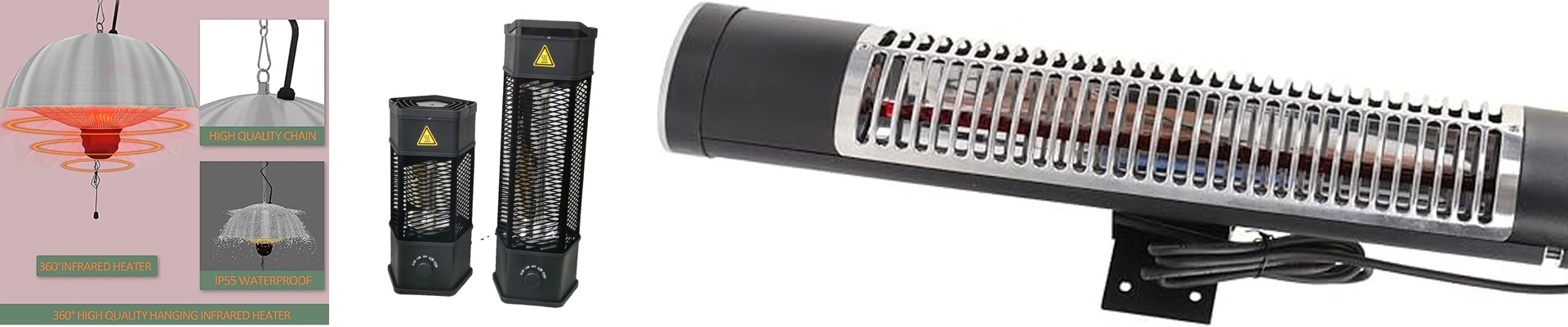
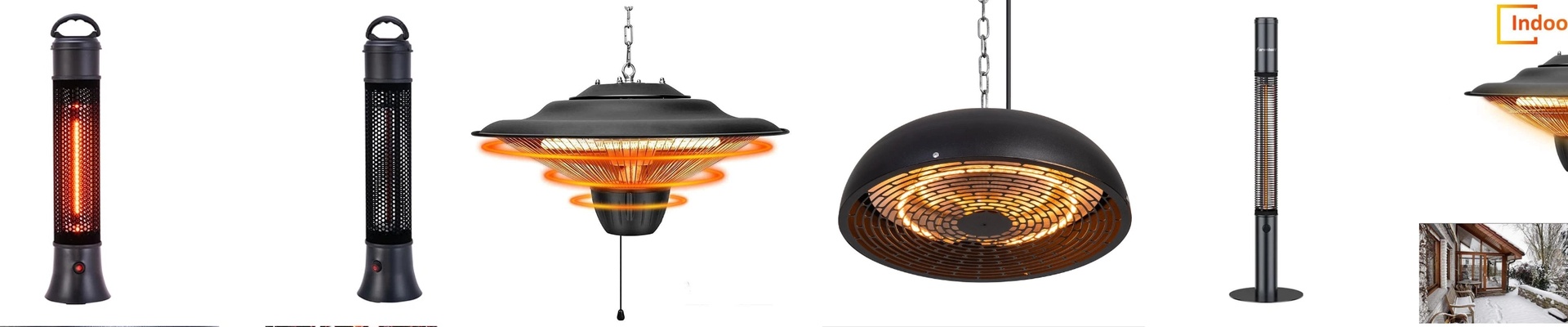
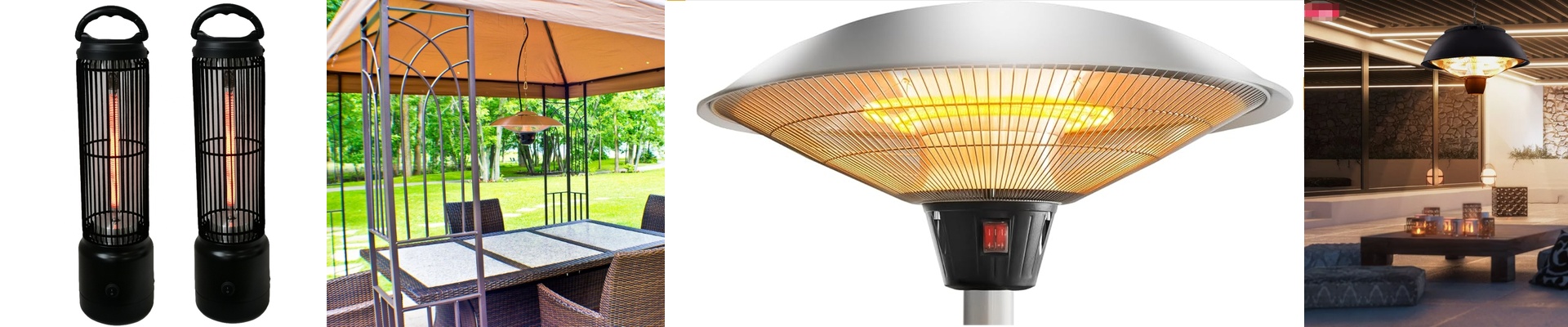
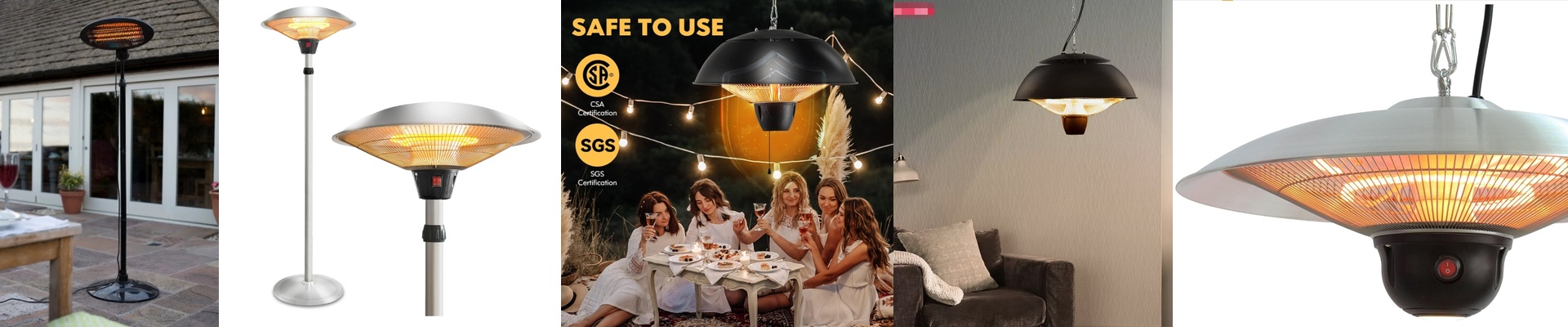
We built this 1500W infrared ceiling heater for places like restaurant gazebos—open-air spots that feel the wind and lose heat fast. The 1500W number isn’t random. It’s the wattage needed to punch through wind chill and keep a semi-enclosed space genuinely comfortable. It runs on standard mains voltage, so the power draw is predictable. That makes electrical planning straightforward—no need to rewire everything just to make it work. And the mounting? It’s designed for the ceiling. That keeps the heat source up and out of the way. No trip hazards. No wasted floor space. You can keep tables close and still move staff and guests smoothly.
What It’s Made Of: Quartz, Tough Coating, and Smart Connectors
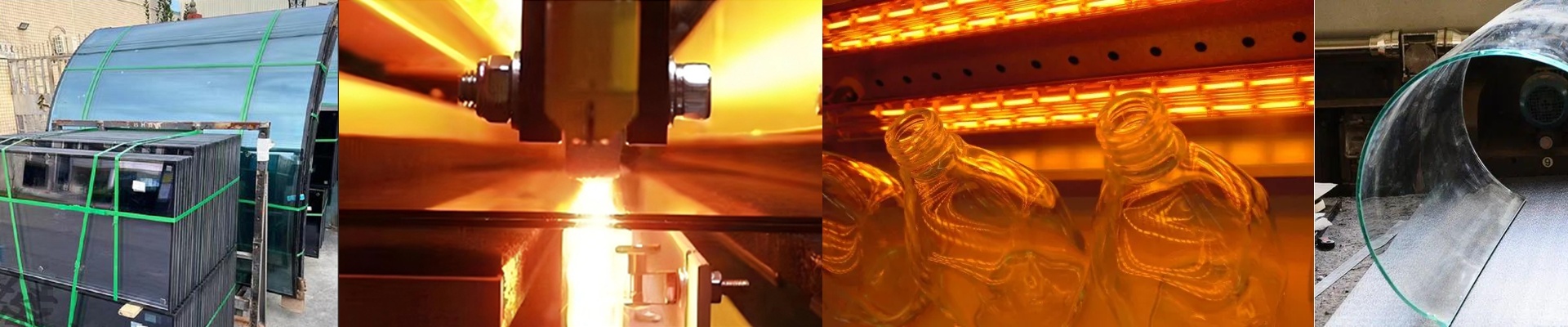
Inside, you’ve got a quartz tube with a halogen element. Why? Because it heats up fast and delivers radiant heat immediately. The tube runs hot, so the outer coating had to be more than just good-looking. It’s built for thermal stability and impact resistance—so it can handle weather and the occasional bump during cleaning. That’s how you keep output steady, day after day. And when something needs replacing, the connector interface is meant to be quick—no tools required. Swap out a burnt-out unit in minutes, not hours. On a busy commercial site, that matters. Every minute without heat is a minute of lost revenue.
Why This Heats the Right Way: Commercial Performance, Not Just Warmth
In an open-air restaurant, heat has to be localized and immediate. Infrared does that by warming people, tables, and surfaces directly—instead of wasting energy trying to heat all the air. That targeted warmth keeps guests comfortable without turning the service area into a sauna. Staff stay cooler, service stays steady, and the whole place keeps turning. You can feel it in the numbers: better winter occupancy, faster table turnover. Just keep one thing in mind—this unit delivers serious heat density. So you do need to plan the mounting location and clearance carefully to avoid overheating nearby materials. Set it up right, wire it properly, and this heater becomes a dependable part of your revenue flow—quietly doing its job while you run your business.