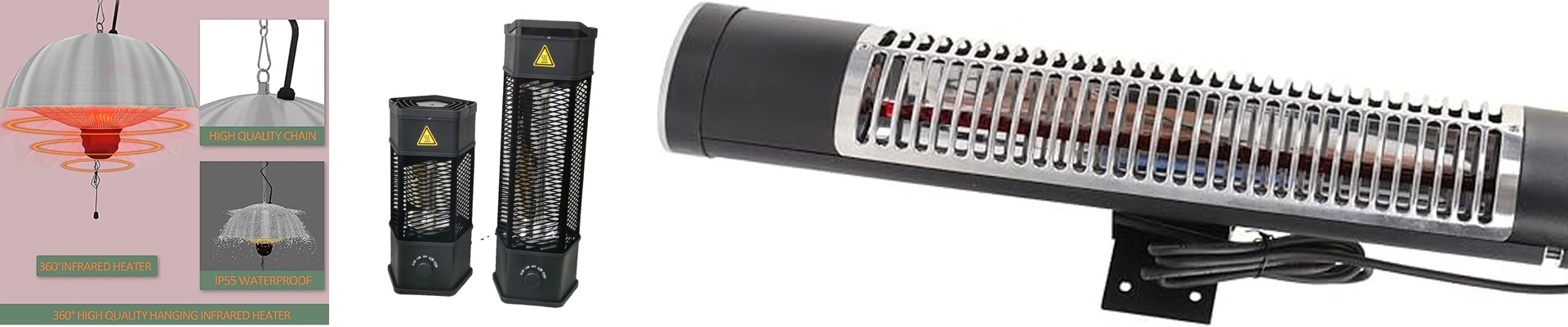
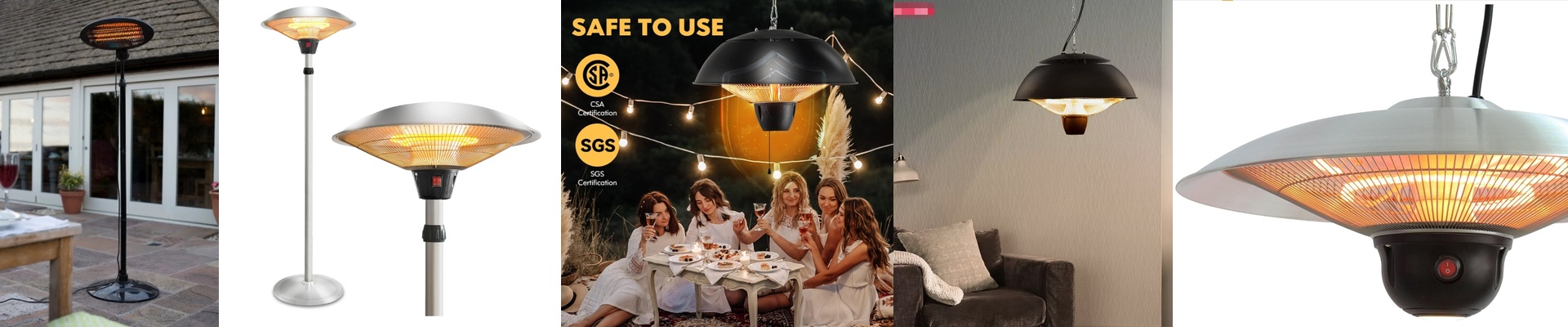
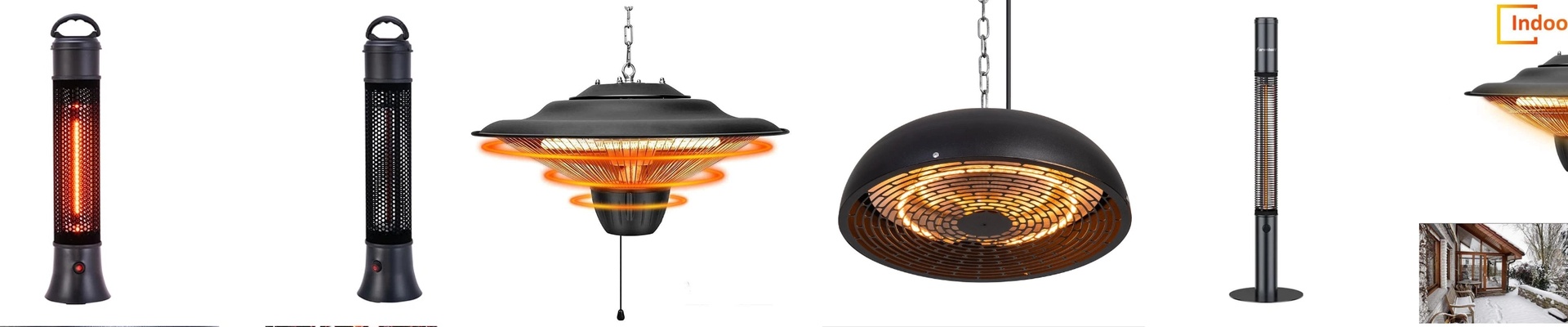
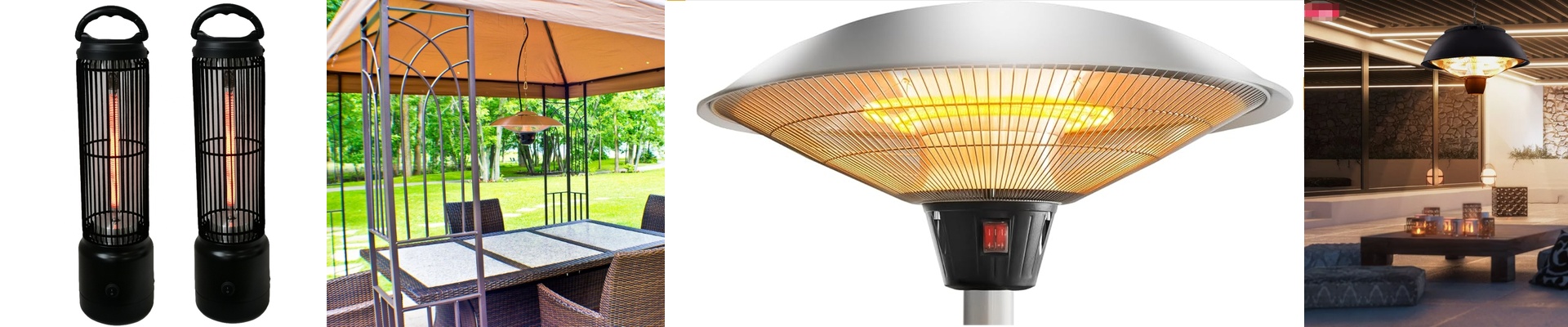

Why Your Bathroom Heater Needs Explosion-Proof Quartz
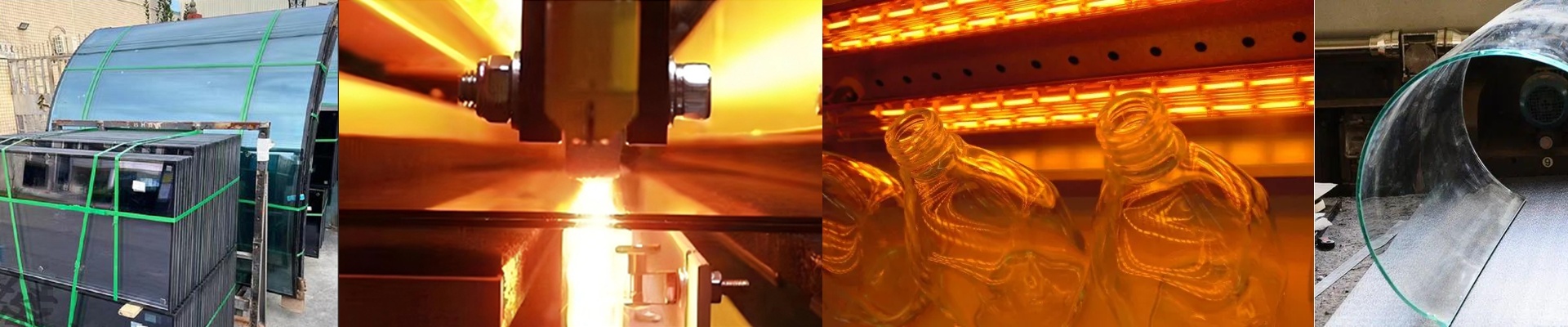
Putting an infrared heater in a shower or bath area is a bit of a gamble if you aren’t careful. You’ve got two big problems: moisture and thermal shock. Here’s the reality: if a drop of cold water hits a standard quartz tube that’s screaming hot, it doesn’t just crack. It shatters. That’s a mess nobody wants in a bathroom. That’s why we use explosion-proof quartz. Now, “explosion-proof” sounds intense, but it doesn’t mean you can hit the lamp with a hammer. It just means the glass is built to handle wild temperature swings. If a stray droplet hits an element sitting at 600°C, the material just takes it. No cracking. No drama. Then there’s the water. We use an IPX5 rating for the housing, which is basically a fancy way of saying it can handle water jets without breaking a sweat. We seal the connection points tight so steam can’t sneak into the wiring. If you don’t do this, the contacts oxidize. Then you get arcing. And arcing leads straight to a burnout. Simple as that. We tuck the heating element into a sealed chassis. It keeps the dampness out but lets the heat beam right through. You get all that cozy, short-wave warmth without worrying about a short circuit. But look, there are a few things you need to get right during install. These lamps put out a lot of heat in a small space. If you stuff them into a tight plastic box, you’re going to melt your casing. Stick to aluminum heat sinks or steel brackets that can breathe. And please, for the love of everything, get your grounding right. In a wet zone, even a tiny leak in the insulation is dangerous. We always suggest pairing these units with a GFCI. That way, if something goes wrong, the system trips instantly and keeps everyone safe.