Getting Power Density Right for Glass R&D
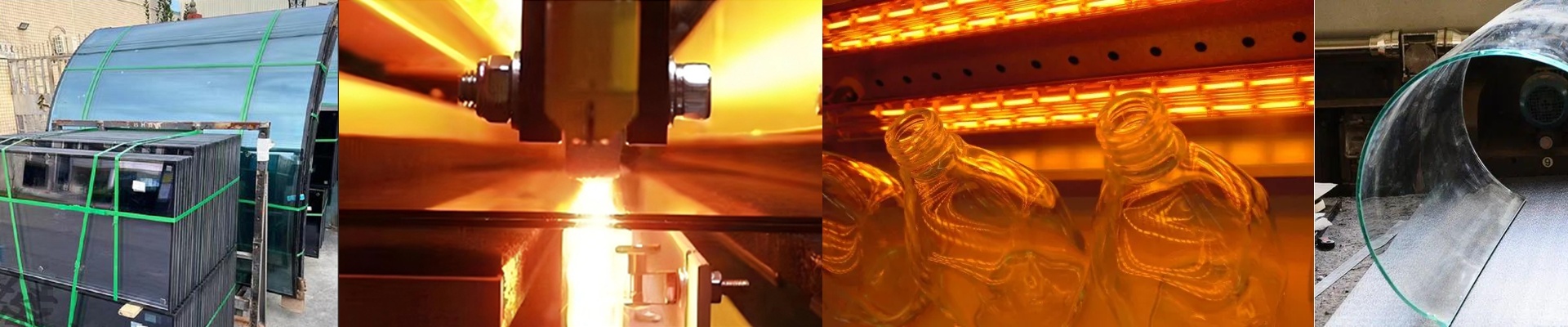
If you’ve ever tried using a standard, off-the-shelf infrared lamp for glass R&D, you know the frustration. Most of them just blast heat in a generic pattern. But when you’re developing new materials, “generic” doesn’t cut it. You need to know exactly where the energy is hitting your workpiece. For us, it’s not about how long the tube is. It’s about the depth and the distribution of that power.
The problem with “cold spots”
Here’s the thing: standard IR lamps usually have cold spots at the ends. If you’re forming quartz tubes, those spots are a nightmare. You end up with uneven viscosity across the melt, and your results are all over the place. We fix this by rethinking how the filament is wound and how the wattage is spread out. By packing the power into specific zones, we can create a precise thermal gradient. It lets you see how a new glass composition handles a sudden heat spike versus a long, steady soak. It’s the difference between guessing and knowing.
More than just a measurement
Customization isn’t just about making a lamp fit into a 500mm slot. That’s the easy part. We look at the wattage per centimeter. If your process needs a sharp thermal transition, we can pump higher power density into the center and taper it off toward the edges. It turns your heater into a precision lab instrument.
The trade-offs (the honest part)
Now, there’s a catch. When you cram high wattage into a small quartz footprint, you’re putting a lot of stress on the lamp. You get the precision, but you have to be careful. Your power supply needs to be rock-solid. A tiny voltage flicker can fry the filament when you’re running at these extremes. Plus, you’ll want to double-check your cooling jigs. High-density zones radiate a lot of ambient heat, and you don’t want that bleeding into the rest of your setup. We handle the parameters. You tune the material. No more guesswork in the thermal cycle.