Stop Rewiring Your Line: The Easy Way to Upgrade Your Quartz Halogen Emitters
Usually, replacing heating elements is a nightmare. You’re looking at hours of downtime, a mess of rewiring, and a lot of frustration. We think that’s ridiculous. That’s why we focus on making our emitters “drop-in” replacements. Whether you’re using basic screw-in bases or some weird, proprietary setup that only your machine has, we build them to fit. No modifications. No drilling. No headaches.
The “Almost Fits” Nightmare
We’ve all been there. You order a new bulb, and it’s off by just a couple of millimeters. The pins don’t line up, or the socket feels slightly loose. It seems like a small thing, but it’s a disaster. Poor electrical contact creates hotspots, and before you know it, your expensive new bulb is burnt out. We solve this by matching your existing footprint exactly. You just swap the old lamps out and plug them in. Your chassis and power supply stay exactly as they are.
A Bit About the Heat
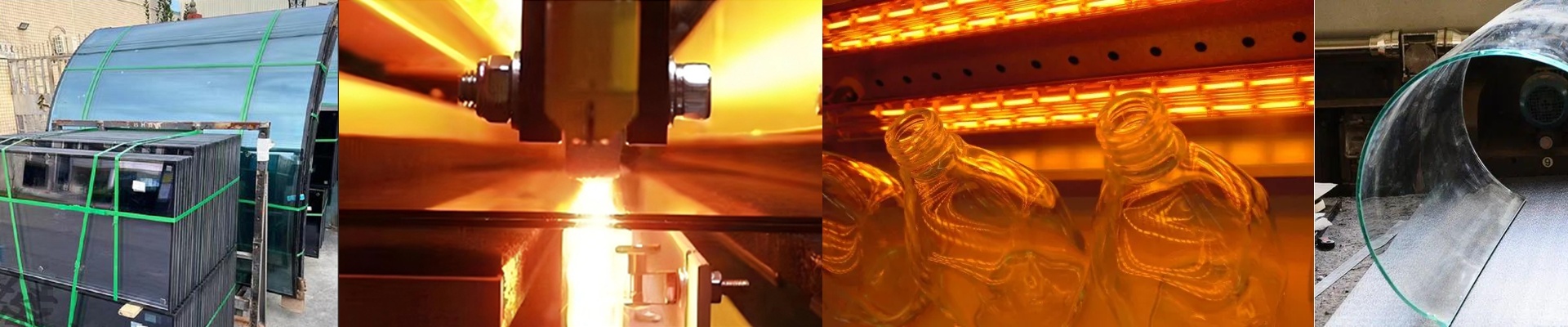
Here is how the magic works: the halogen cycle keeps the tungsten on the filament instead of letting it gunk up the glass. This means we can pack way more wattage into a smaller tube without the glass turning black. The result? A concentrated hit of short-wave IR that cuts through materials much faster than those old ceramic heaters. But a word of caution: this is intense heat. If the bulb isn’t seated perfectly in the interface, that heat can actually warp your mounting brackets. Make sure your reflectors are aligned. It makes a huge difference.
Real-World Installation
In a busy shop, speed is everything. The faster you get the bulb in, the less chance there is for dust or grime to get where it shouldn’t. And please—don’t touch the quartz envelope with your bare hands. The oils from your skin stay on the glass, and when things heat up, those spots become weak points. That’s how you get a cracked bulb. Our interfaces make the swap quick, so the bulb spends as little time as possible exposed to the shop floor. One last tip: if you’re jumping to a higher-output emitter, double-check your amperage ratings. You don’t want to find out the hard way that you’re tripping your breakers.