Stop Your Ceiling Heaters From Burning Out
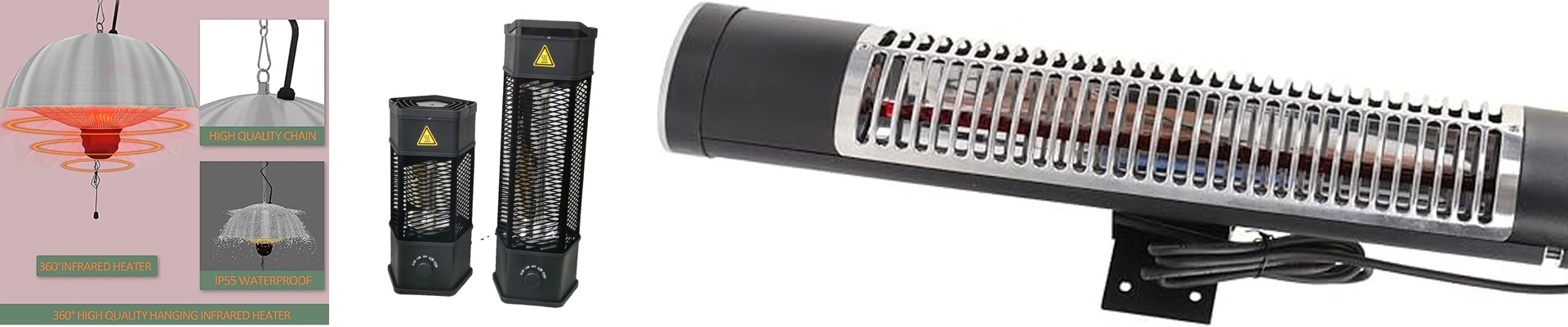
If you’ve ever run a shop, you know the drill. You install a recessed infrared heater, everything works great for a while, and then—pop—it’s dead. Usually, it comes down to two things: moisture and condensation. When you tuck a heater into a ceiling, you’re basically creating a little pocket where hot and cold air clash. That leads to fogging. If a few stray water droplets hit a scorching hot quartz element or leak into the wiring, the whole thing fries. It’s frustrating, and it’s expensive. Dealing with the drip We decided to fix this by adding anti-fog and splash-proof seals. Most standard units leak right at the bezel. We use gaskets that actually keep the electronics tucked away from the elements. This keeps vapor from settling on the heating element. Here’s why that matters: when water hits a high-wattage lamp, it causes thermal shock. The glass cracks. Simple as that. By keeping the moisture out, we stop the cracking before it even has a chance to start. It’s not just about the spills Splash-proofing does more than just protect you from a random leak. It stops corrosion. We use connectors that don’t oxidize. Because if moisture gets into your wiring, you get arcing. That leads to voltage drops, and eventually, your heating coil just gives up. A sealed design keeps the current steady and the heat consistent. A quick heads-up on installation Now, there is a trade-off. These seals make the chassis a bit bulkier. You can’t just jam these into any tight ceiling gap. You’ll need to double-check your clearance. If you pack it in too tight and block the airflow, the internal driver might overheat. We suggest leaving about a 50mm gap around the housing just to let it breathe. But honestly? It’s worth it. You’ll spend way less time climbing ladders to swap out dead lamps. It turns the heater from something you just “replace every few years” into a permanent part of your shop. You get steady heat, and you don’t have to worry about a humid day short-circuiting your gear.