Stop the Shiver: A Better Way to Heat Changing Rooms
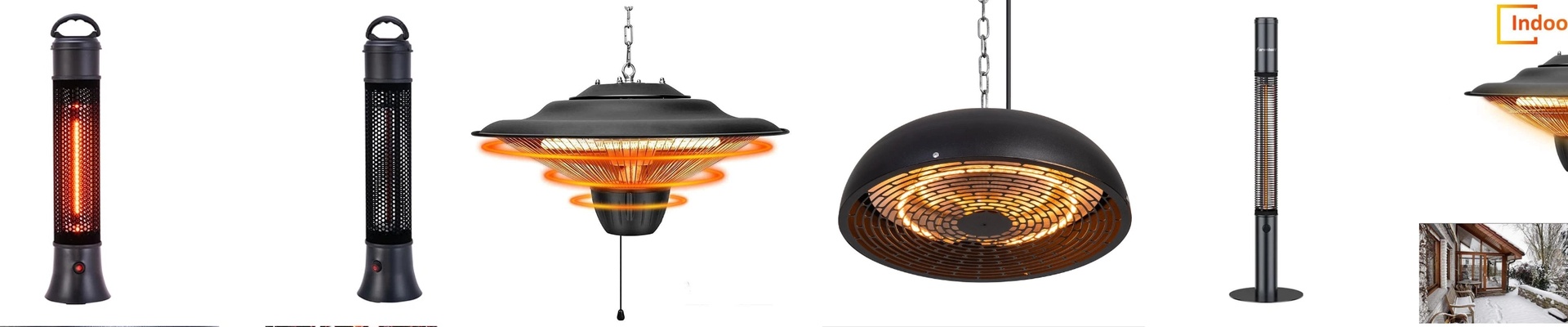
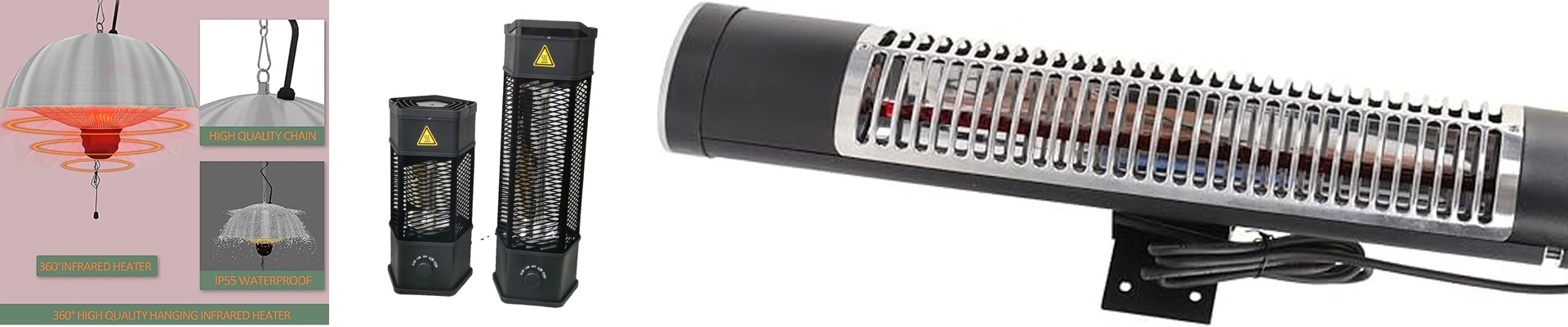
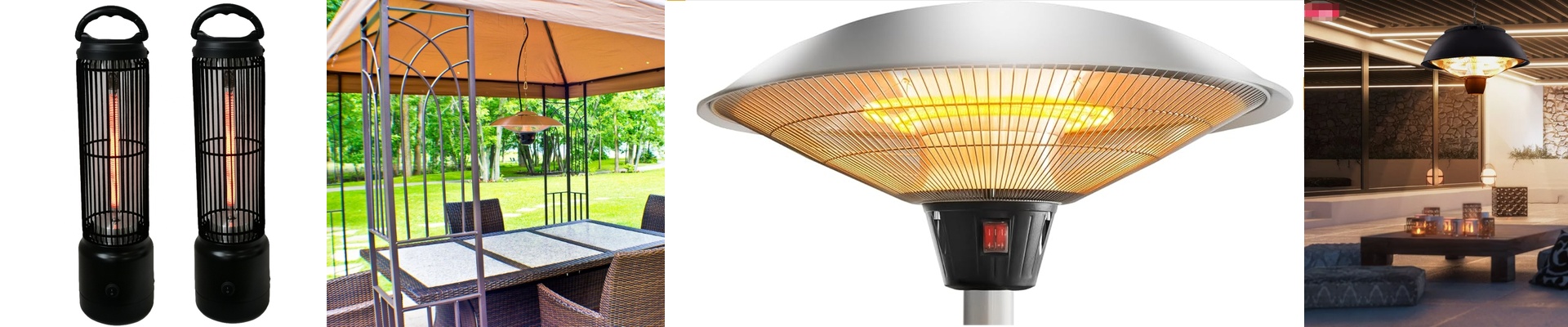
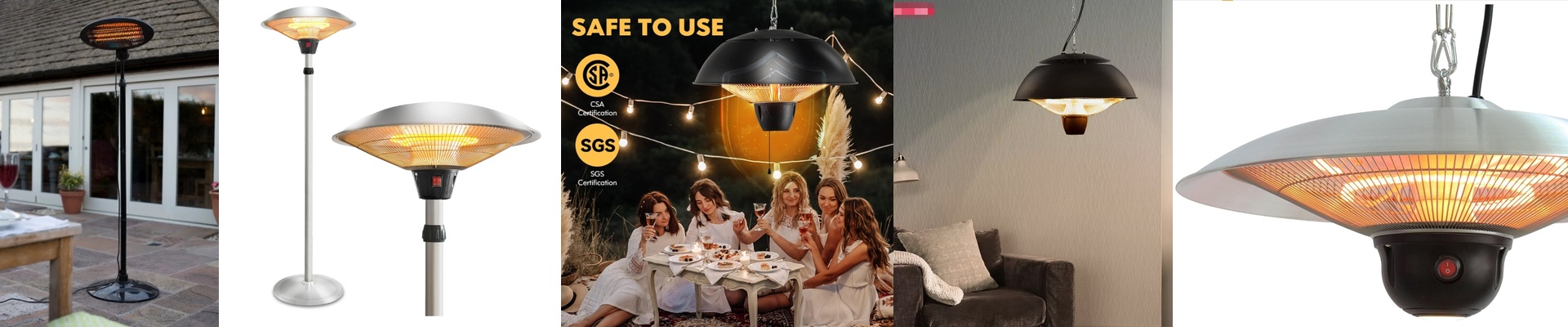
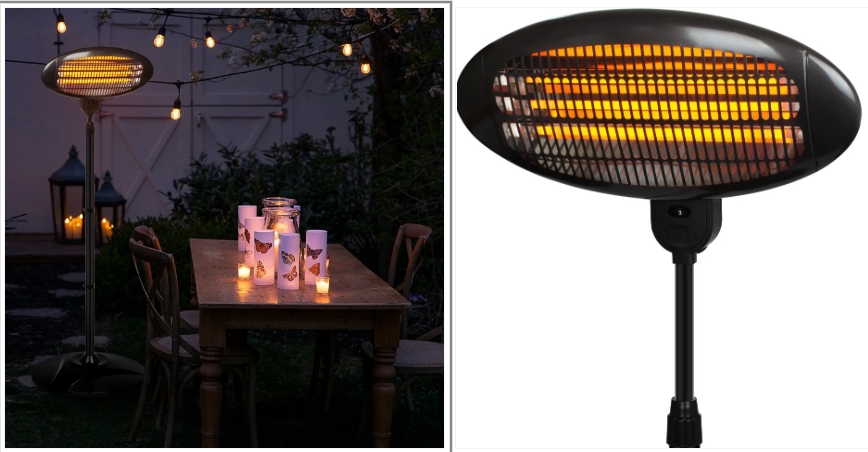
Ever walked into a changing room in a big warehouse or a fancy gym and felt that instant, bone-chilling draft? It usually happens because these places have massive ceilings and doors that never stop opening and closing. If you try to fix this with standard forced-air heaters, you’re basically wasting money. You’re heating the air, and that warm air just floats straight up to the ceiling where it does absolutely nothing for the person standing on the floor. That’s why we stop trying to heat the air and just heat the people. We use ceiling-mounted infrared heaters. How it actually works Think of it like the sun. When you step outside on a cold winter day and feel the sun hitting your face, you’re feeling radiant heat. It doesn’t need to warm up the whole atmosphere to make you feel cozy. We use short-wave infrared arrays that send heat straight down. The moment someone steps into the zone, the heat hits their skin and clothes. No waiting. No shivering. Just instant warmth that kills that “cold shock” the second they walk through the door. The gear and the setup We usually go with quartz glass tubes filled with halogen gas. It sounds technical, but all it means is that the filaments can get way hotter without burning out. To make them work, we mount them in housings with mirrored reflectors. This pushes the heat down in a tight, focused cone. But here is the tricky part:height matters. If you hang them too high, the heat loses its punch. If you hang them too low? You get “hot spots” that make people feel like they’re standing under a heat lamp at a buffet. It’s all about finding that sweet spot. A few things to watch out for Radiant heat is great, but it has one quirk: it can’t bend around corners. If someone is standing behind a tall locker or a wall, they’re in a “shadow” and won’t feel a thing. You have to really look at your floor plan and map out the heaters so there are no dead zones. Also, keep an eye on your power. These arrays pull a lot of current. If your electrical panel isn’t built for the surge, you’re going to be tripping breakers right when your team needs the heat the most. Worth double-checking before you flip the switch.