
Stop Buying Heaters Based on Spec Sheets
Here is the truth: buying a fast-response infrared heater just because the wattage or voltage matches your old one is basically a coin flip. We see it all the time. A customer orders a 230V shortwave lamp because that’s what the manual says. They plug it in, run the line, and the process still fails. It’s frustrating. But usually, the lamp isn’t the problem. The real issue is the “thermal gap”—that invisible space between the heater and the part you’re actually trying to heat.
How this stuff actually works
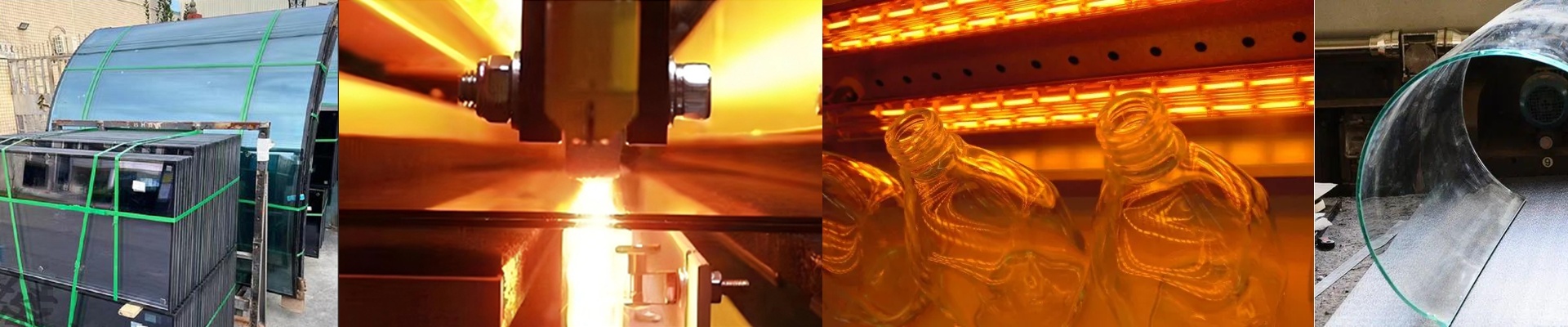
These heaters use tungsten filaments inside quartz. When you hit them with power, they get hot in milliseconds. It’s incredibly fast. This means you can tweak the heat up or down instantly without that annoying lag you get with old-school resistive coils. But there’s a catch. All that power creates an intense blast of heat. If your reflector is a bit pitted or your mounting brackets are off by even two millimeters, you’re in trouble. You’ll end up with hot spots that scorch your material while other areas stay ice cold.
It’s more than just the plug
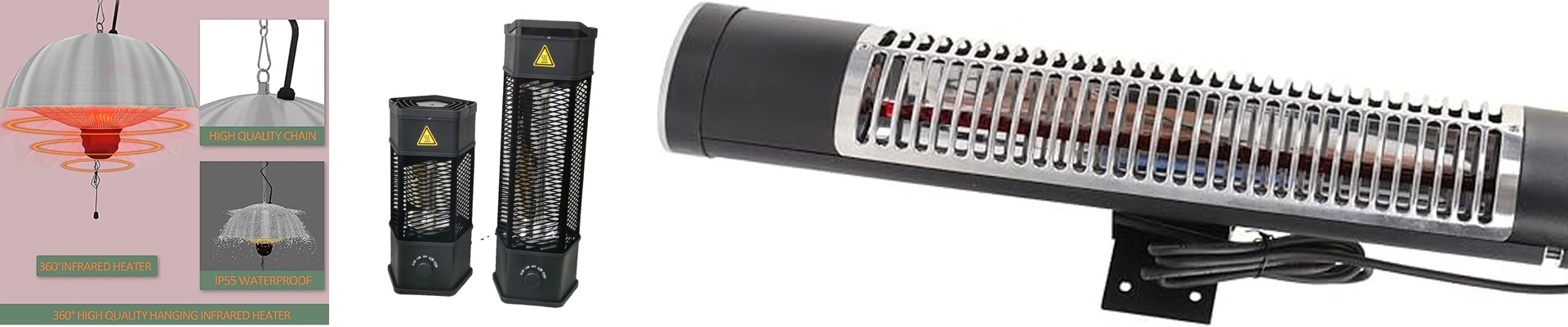
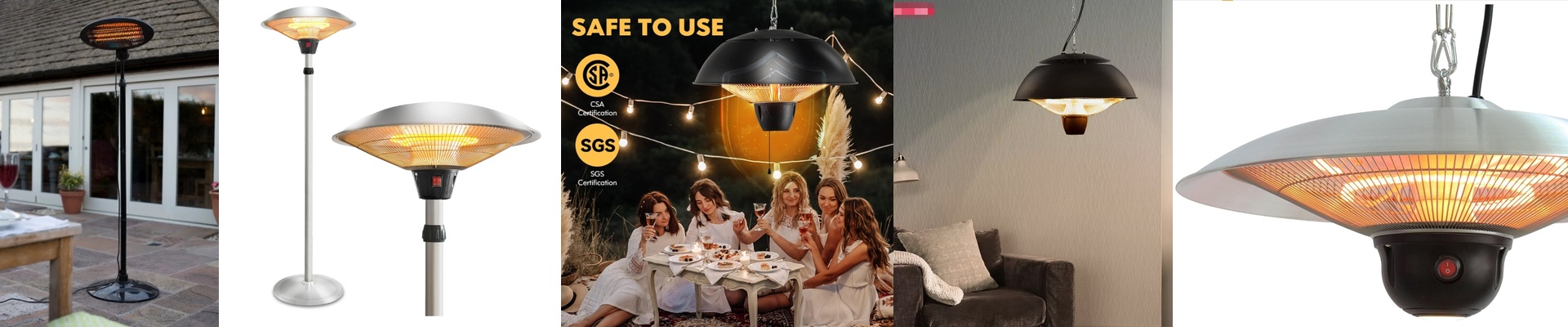
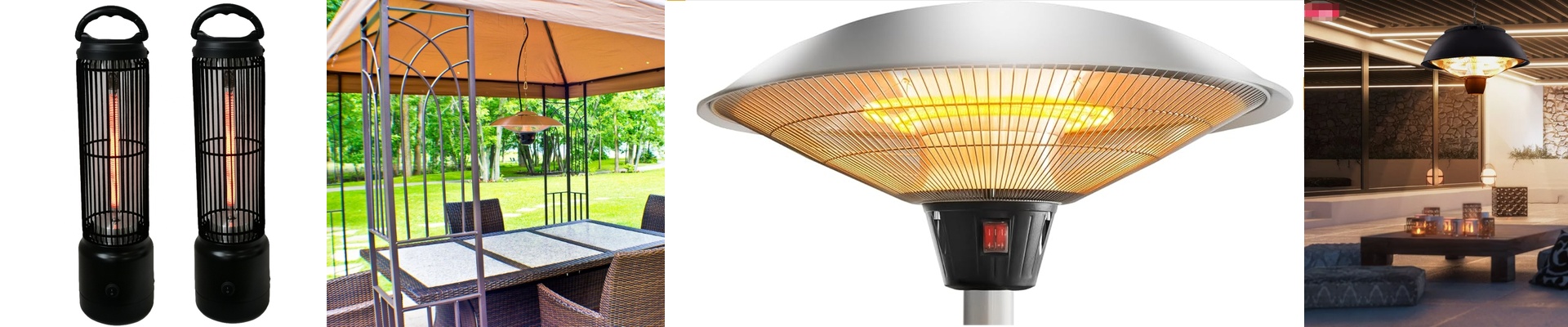
Whether you’re using R7s or SK15 connectors, the hardware is just the delivery truck. What actually matters is the spectral output. Think of it like this: a clear quartz tube lets shortwave radiation fly right through. That’s perfect if you just need to heat the surface. But if you need the heat to soak deep into the material, you need a coated tube to shift that energy to medium-wave. Pick the wrong coating, and you’re basically paying to heat the air in your factory instead of your product.
Why we show up in person
We aren’t interested in just shipping you a box and hoping for the best. That’s not how quality work gets done. Instead, we send engineers right onto your floor to map out your thermal footprint. We want to see the actual voltage drops and measure the exact distance from the lamp to the workpiece. Because let’s be honest—a 2000W lamp is useless if your cooling fans are blowing the heat away before it even hits the target. We figure out the environment first. Then we pick the lamp. It saves you from burning through expensive tubes because of a bad focal length or poor ventilation.