Getting High-Density SWIR to Work in Mobile Glass Repair
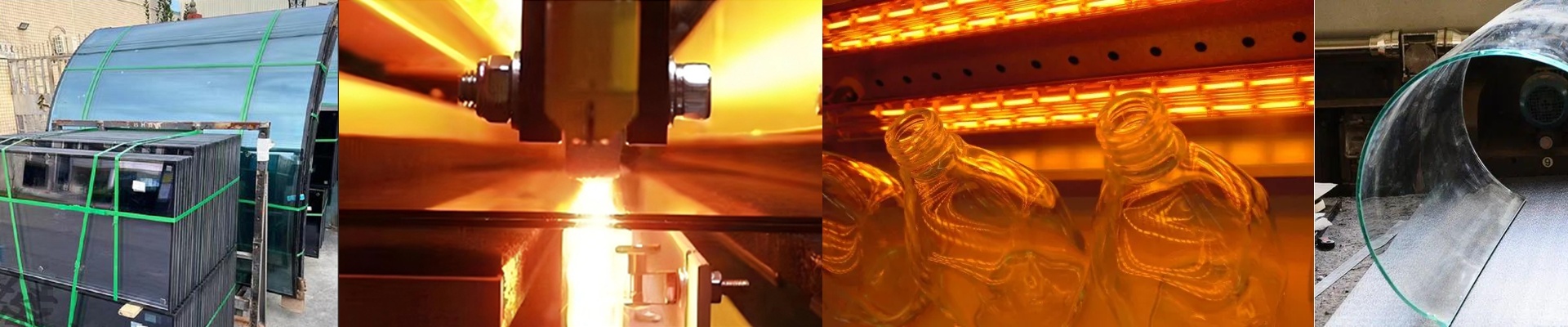
When you’re designing a bracket for mobile glass repair, you’re basically fighting a war over millimeters. You need enough heat to actually soften the resins or prep the glass, but you’re stuck with a tiny footprint and a portable power source that can only give so much. That’s why we use Short Wave Infrared (SWIR) tubes. Honestly, they’re the only way to get that kind of heat punch in a package this small.
Packing Power into a Tiny Space
Here’s the thing: to get high wattage out of a short tube, you have to crank up the power density. We use quartz glass tubes filled with halogen gas because it lets the filament run scorching hot without just giving up and burning out. But when you shrink the tube to fit a handheld rig, it becomes a balancing act between voltage and amperage. If your power supply has a hard ceiling, we just spec the tube to hit the target temperature using a higher wattage-per-centimeter ratio. The result? The heat hits the glass almost instantly. No waiting around.
Fitting it All Together
Standard wiring is way too bulky for this. It just won’t fit. We stick with compact connectors—think R7s or Sk15—to keep everything tight and make sure nothing rattles loose while you’re moving around on a job. While the quartz envelope can take a hit of thermal shock, I always suggest adding a protective shield. In the field, things get bumped. A naked tube is just asking for trouble.
The Trade-offs
Now, high-density SWIR is aggressive. It solves the space problem, but it creates a new one: heat soak. The bracket housing is going to get hot. Really hot. If you don’t get your cooling or insulation right, you’re going to end up melting your plastic components. Plus, you have to be smart about the duty cycle. These tubes aren’t designed to run 100% of the time, especially when they’re trapped in a cramped, unventilated mobile rig. Give them a break, or they’ll break.