Stop Your Table Heaters From Dying in the Damp
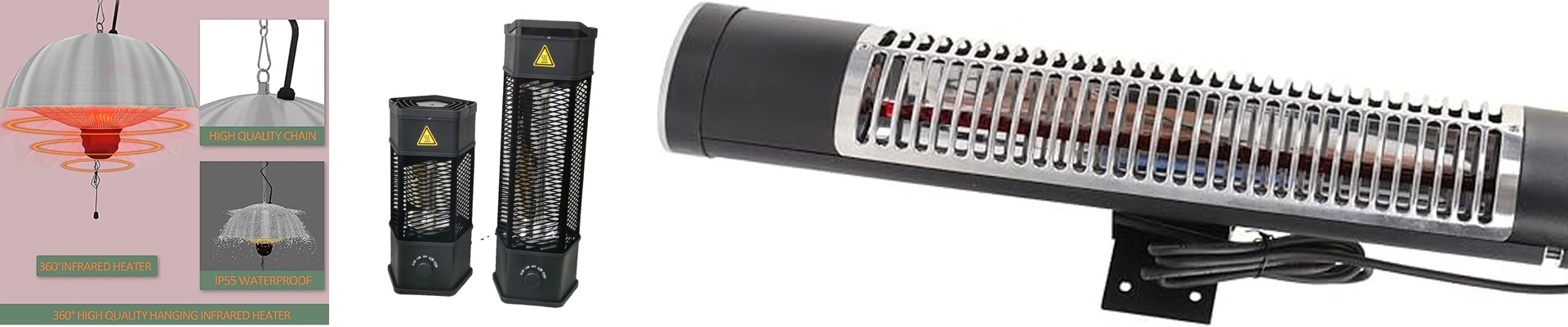
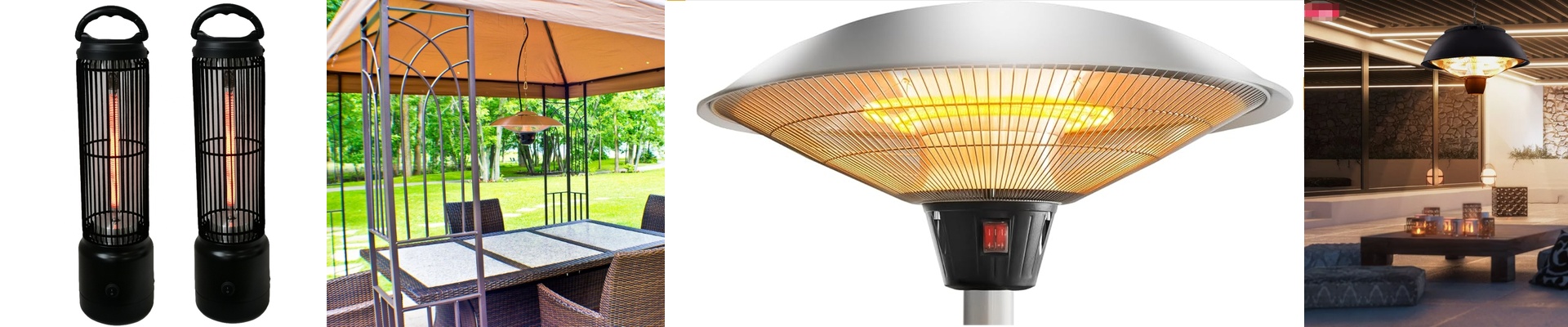
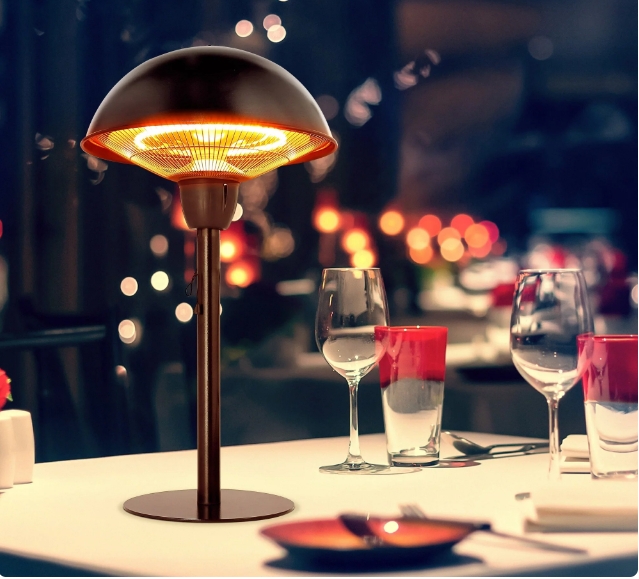
Let’s be honest: standard infrared heaters usually hate water. Put one in a humid shop or somewhere with a bit of spray, and it’s usually a countdown until it shorts out. It’s frustrating, and frankly, it’s a waste of money. That’s why we built our heaters with an IP55 rating. In plain English? We made them tough enough to handle splashes and dust without blinking. The secret is in the seals. We didn’t just slap some tape on it. We sealed the junction boxes and used gaskets to stop mist from sneaking into the wiring. When you’re on a shop floor, moisture loves to build up on terminals. That leads to arcing, a few sparks, and then—pop—your component is fried. Our setup stops that from happening. Then there’s the fog. If you see fogging, you’ve got condensation. When that water vapor hits a scorching hot infrared element, it creates a “thermal shock.” It’s a violent temperature swing that can crack the quartz glass and kill the filaments. We use specialized housings to keep that moisture far away from the heat, so your glass stays intact. Now, there are a few trade-offs. Waterproofing takes up space. Because of the extra shielding, these units are a bit bulkier than the cheap, non-rated ones. Also, since it’s sealed tight, you lose some of that natural airflow that cools the outer shell. If you’re cranking the wattage to the max in a tiny, cramped enclosure, just make sure you’ve got some decent ventilation. You don’t want the housing getting too hot. But here’s the real win:you stop replacing your gear every few months. No more panic when a pipe leaks or someone goes a bit overboard with a wash-down cycle. You get a heater that actually takes a beating. It just works, and it stays working, which is exactly how it should be.