Don’t Let Your Bathroom Heater Become a Hazard
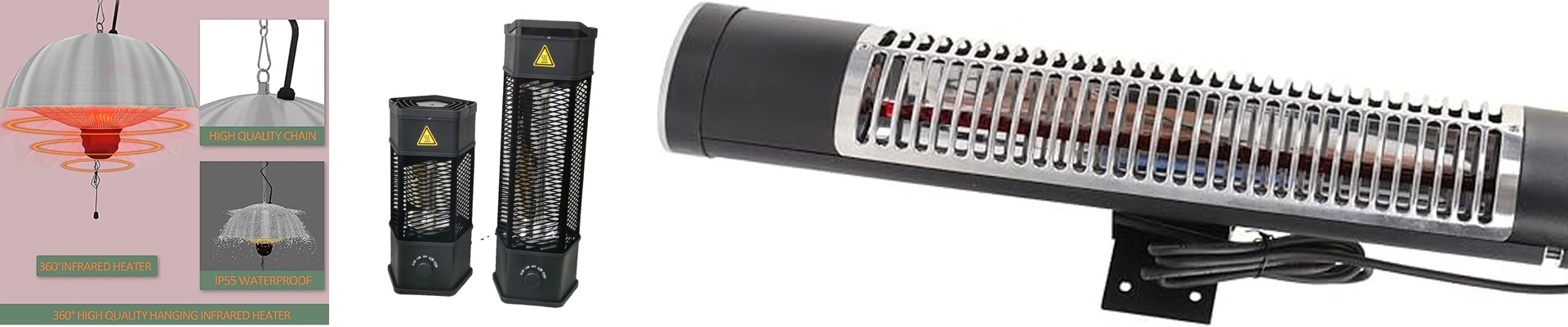
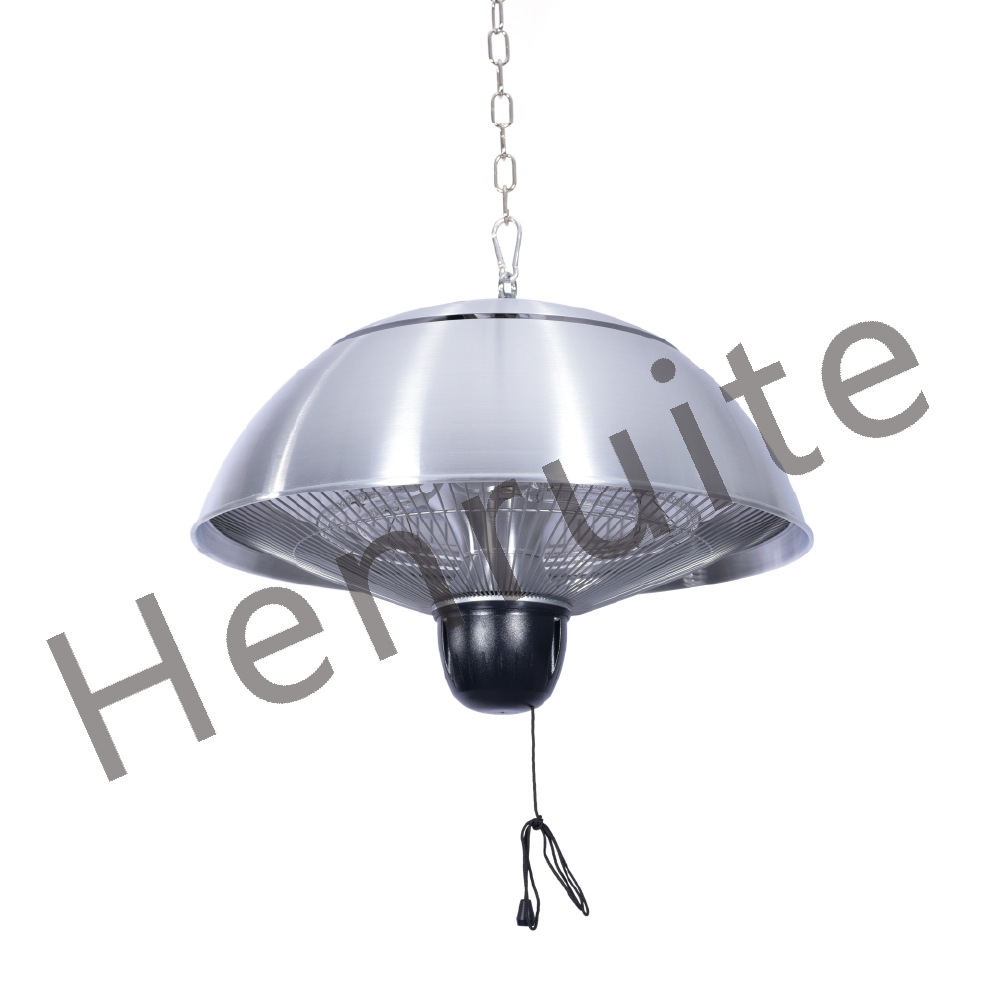
Putting infrared lamps in a shower or bath is a bit of a gamble if you aren’t careful. You’ve got high heat on one side and steam and splashing water on the other. If you use a standard quartz tube, it’s going to die. Fast. Here’s why: when a tiny droplet of cold water hits a scorching hot tube, it creates a “thermal shock.” The glass can’t handle that kind of sudden mood swing, and it snaps. That’s why we stick with explosion-proof quartz. The deal with the glass We use heavy-wall, high-purity quartz because it’s tough. It doesn’t freak out when the temperature drops instantly. Without this, you’re risking glass shards flying around in a wet room—and as we all know, water and electricity are a nightmare combination. Keeping the water out You’ll see “IPX4” on the spec sheet. In plain English, that just means the housing is built to handle splashes from any angle. But we don’t just slap some sealant on the edges and call it a day. We obsess over the wire entry points and the reflector seals. If moisture sneaks inside a high-wattage heater, you’re looking at a short circuit or a burnt-out filament. You want a chassis that blocks the dampness but still lets that cozy heat radiate forward. A quick warning on power High-power shortwave lamps are great because the heat is instant. But they’re thirsty. They pull a lot of power. Before you install a big array, double-check your wiring and circuit breakers. You don’t want your wires overheating behind the wall just because you wanted a warmer shower. And a pro tip: these aren’t invincible. Even with the fancy glass, don’t blast a lamp with high-pressure cold water right after it’s been running for an hour. Just give the system a minute to cool down. It’s just basic physics, but it’ll save you from a very expensive mistake.