Stop Wasting Power on Your Glass Annealing
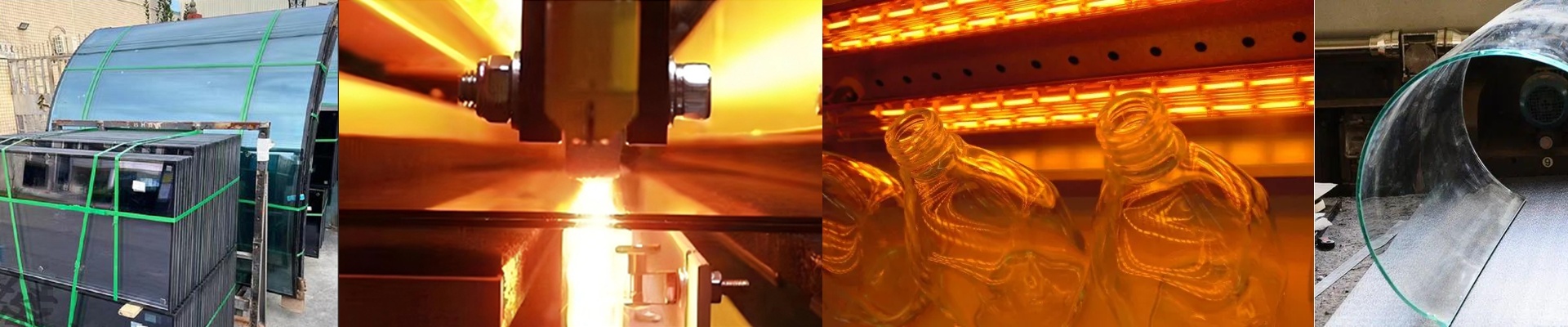
Let’s be honest: annealing is usually the biggest power hog in the entire coating line. Most traditional ovens are just inefficient. They spend half their energy heating up the air and the walls of the chamber instead of actually doing the work. We do things differently with shortwave infrared (IR) lamps. Instead of trying to heat the whole room, these lamps go straight for the glass.
Why it actually works
Here is the thing about shortwave IR: it operates at a higher frequency. That means the energy doesn’t just bounce off the surface—it sinks in. It transfers heat way faster than old-school convection ever could. Because it’s so fast, the glass doesn’t need to hang out in the annealing zone nearly as long. Less time in the zone means fewer kWh on your bill. We build these lamps with high power density, so you get the cure or the stress relief you need without needing a massive, space-eating oven.
The gear and the setup
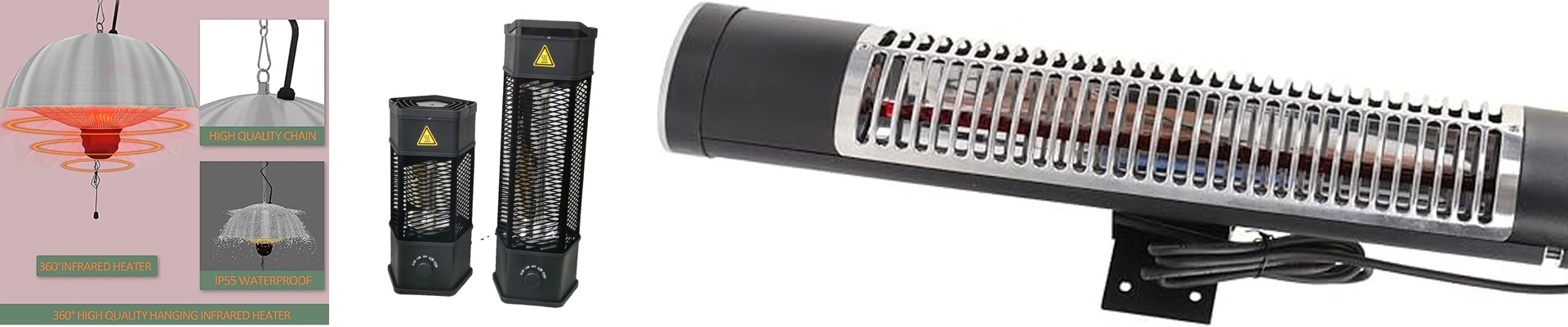
We use high-purity quartz and halogen filaments. Why? Because they stay stable even when you’re cycling them on and off all day. The best part is that they aren’t a headache to install. You can usually just pop them into your existing arrays as drop-in replacements. We’ve got a bunch of different wattage and voltage options, so they should play nice with whatever electrical panels you already have in the shop. One quick heads-up, though. These lamps put out intense, localized heat. If you’re cranking the wattage to push more glass through the line, you’ve got to keep your cooling fans and reflectors spotless. A dirty reflector can kill your efficiency by 15% or more. That forces the lamps to run hotter, which just burns them out faster. Keep them clean, and they’ll last.
What this means for your floor
This is where it gets really satisfying. With IR annealing, your startup time drops from hours to minutes. You don’t have to stand around waiting for a giant oven to “soak” and reach temperature. You flip the switch, the filaments hit peak temp almost instantly, and you start running glass. No more wasting the first few batches as scrap while the oven warms up. No more massive utility bills. Just a line that starts when you want it to.