Stop the Shattering: A Real-World Look at Glass Annealing
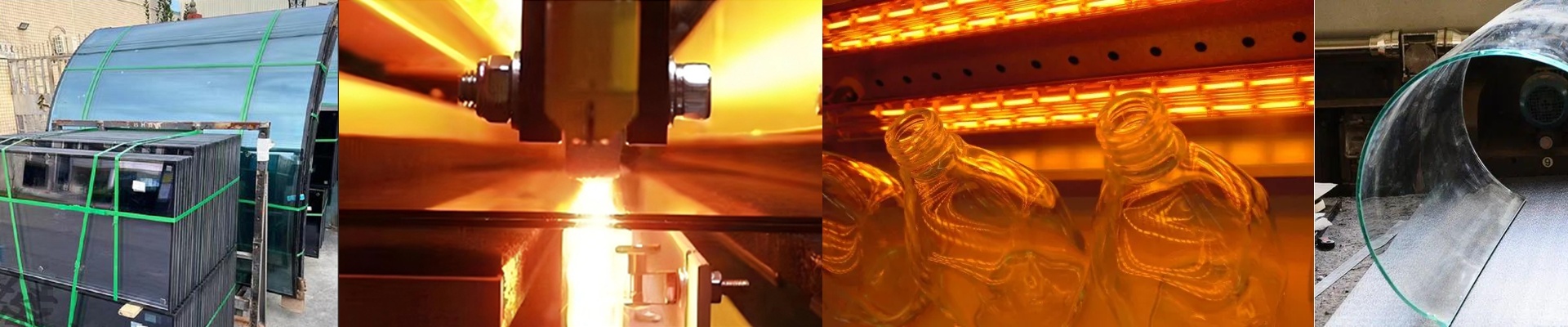
When you’re working with lab-grade glassware, the margin for error is tiny. I’m talking 0.1℃. That’s it. If the temperature across the glass isn’t perfectly balanced, you get internal stress. And we’ve all been there—that heart-sinking moment when a piece just spontaneously cracks for no apparent reason. It’s frustrating and expensive. Why we use gold coatings Here’s the thing about standard quartz lamps: they throw out a huge range of wavelengths, but a lot of that energy just bounces right off certain types of glass. It’s a waste. That’s why we use gold coatings on our IR emitters. Think of the gold as a filter. It pushes the energy into the specific infrared bands that the glass actually wants to absorb. Instead of heating up the entire oven and wasting power, the heat goes exactly where it needs to—right into the workpiece. It’s just more efficient. Getting that 0.1℃ stability To actually hit that level of precision, you need a tight feedback loop. We pair those gold-coated emitters with high-res PID controllers. Because the gold coating keeps the heat output linear and predictable, you can dial in the temperature and just… leave it. You can hold the glass at its annealing point for hours without worrying about the temperature drifting. It takes the guesswork out of the process. The trade-offs (Because nothing is perfect) Now, gold coatings are great, but they aren’t invincible. If you push the lamp past its rated wattage or if the vacuum seal on the quartz leaks, the coating will degrade. And a quick tip: keep your power supply clean. Voltage spikes will kill your filament way before the coating ever fails. One last thing if you’re planning a new furnace layout: watch your footprint. You can’t just cram these emitters in. They need specific spacing to avoid creating hot spots on the glass. Give them room to breathe, and the thermal load will spread evenly across the whole vessel.