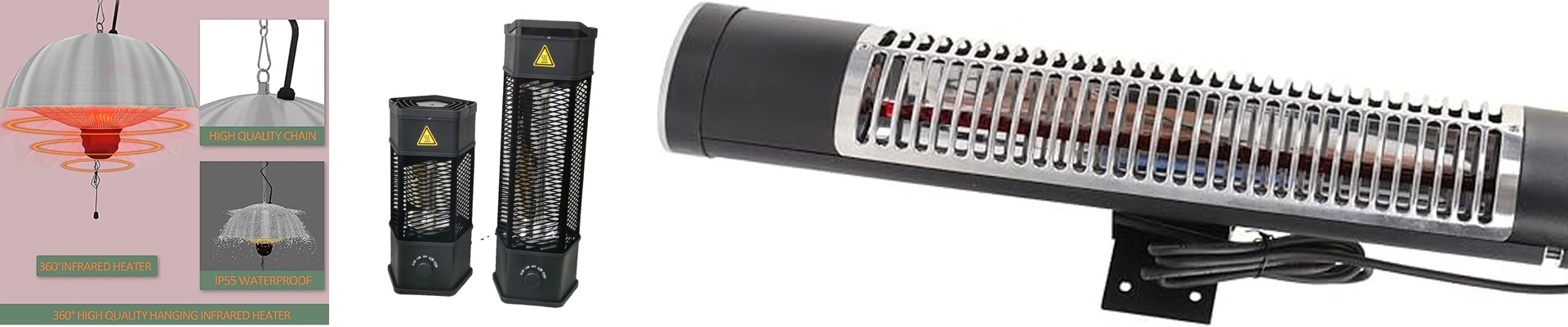
Getting Long-Stretch Infrared Heating Right for Glass Score Lines
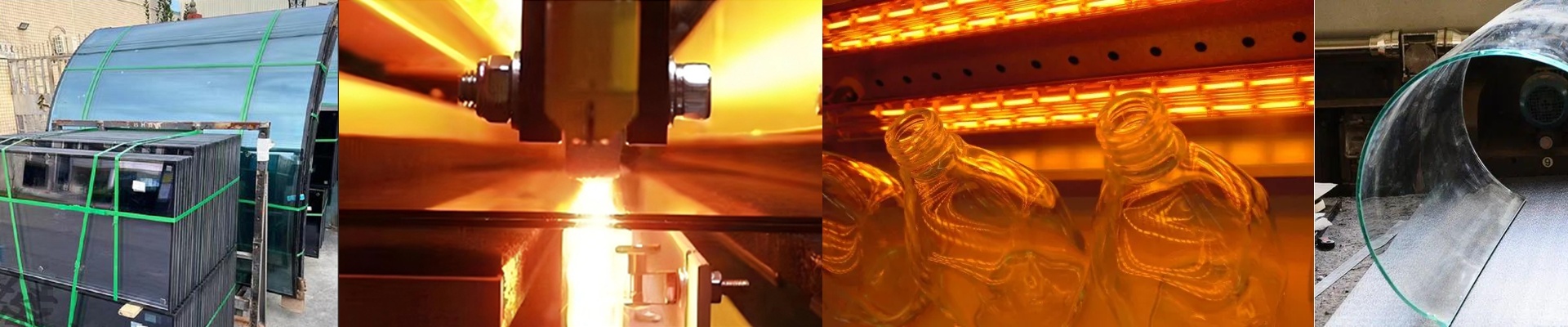
If you’re working with glass score lines, you know the drill. You need heat hitting a very specific axis, and it has to be perfect. If it’s off, you get stress in the substrate or a break that looks like a jagged mess. The problem is that standard lamps are usually too short. When you’re dealing with ultra-long tunnel kilns, you can’t just slap a few short lamps together. That’s why we build custom continuous infrared units that stretch well over 2 meters. The struggle with length and power You might think making a 2-meter lamp is just about stretching the quartz tube. It’s not. Here’s the thing: the longer the tube, the more you have to worry about voltage drop. If you just run a high-current, low-voltage setup on a tube that long, you’re going to end up with “cold spots” right in the middle of your tunnel. Nobody wants that. We spend a lot of time balancing the wattage and voltage. The goal is simple: the heat at the first centimeter should be exactly the same as the heat at the last. No gaps, no shocks Most modular systems have gaps between the lamps. In the glass world, gaps are the enemy. They cause thermal shock, and that’s how you get cracks. We set these units up in a continuous line to kill those gaps entirely. We also use high-grade quartz with specific coatings, which basically helps the glass “soak up” the heat more efficiently. But there’s a physical catch. Quartz expands. A lot. When a 2-meter tube hits operating temperature, it grows. If you bolt it down tight, it’ll just snap. To stop that, we use floating mounts and special connectors. It gives the lamp room to breathe so it doesn’t destroy itself. The trade-offs you need to watch These long units put out a massive amount of heat. It’s powerful, but it means your kiln’s chassis is going to take a beating. You’ve got to be smart about your cooling fans and insulation. If your airflow is weak, the heat creeps back into the ends of the lamp. Before you know it, your connectors are fried. Also, double-check your wiring gauge. A continuous 2-meter array pulls a sustained load that will melt thin wires. Give it the headroom it needs, and it’ll run forever.