Heat Without the Headache: Getting Infrared Right
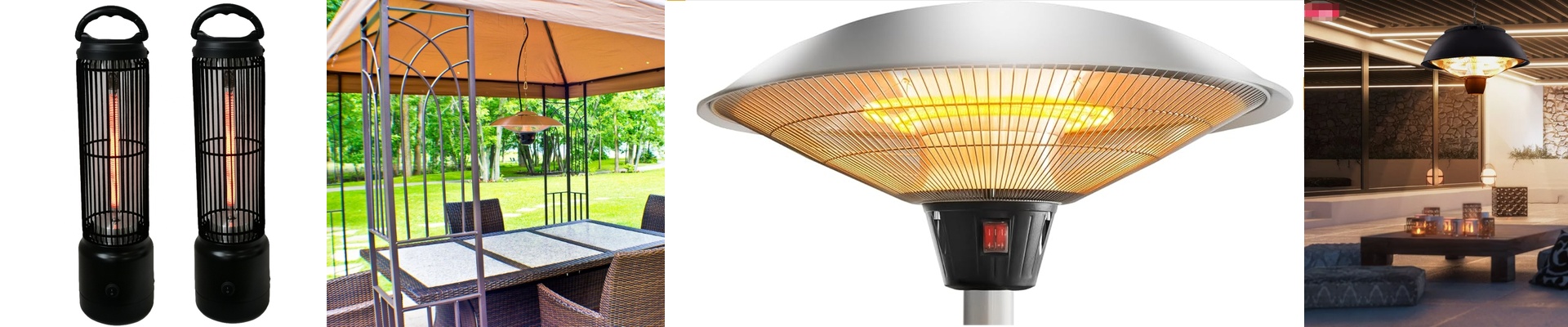
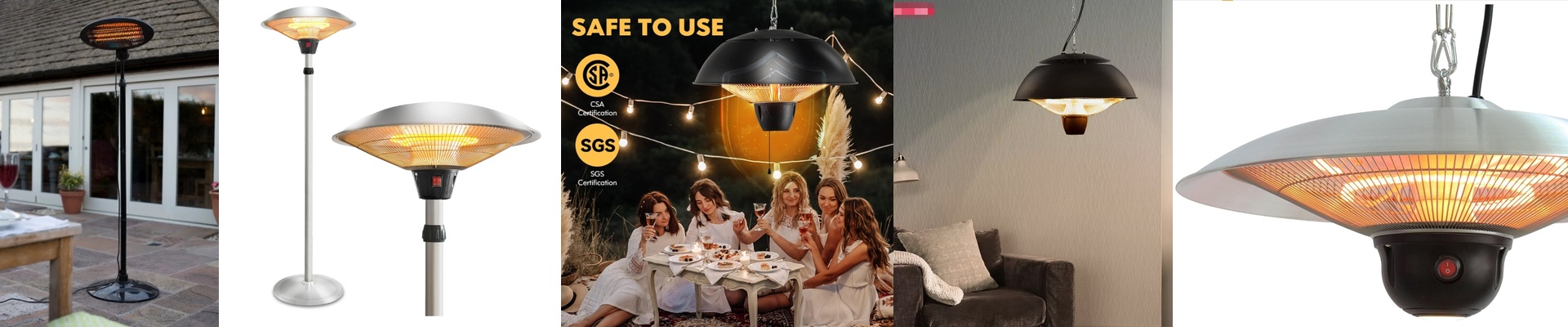
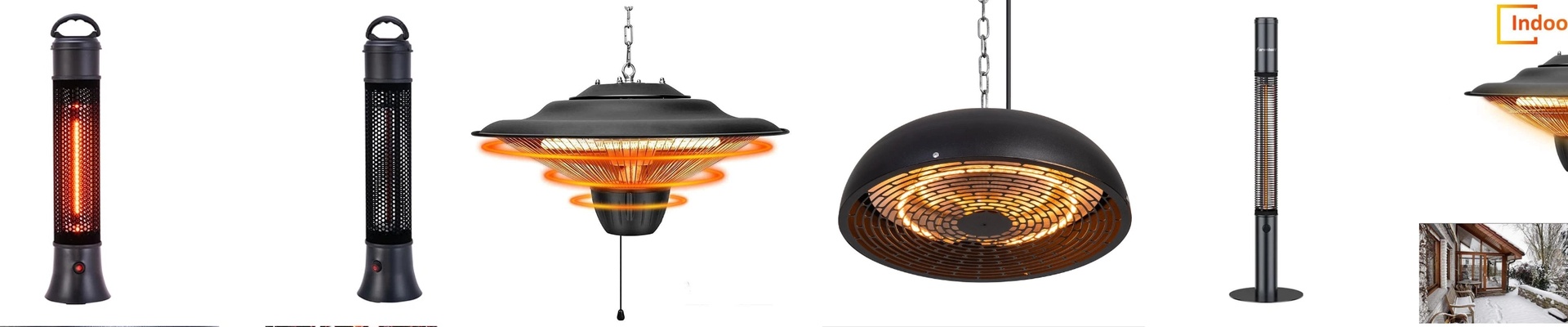
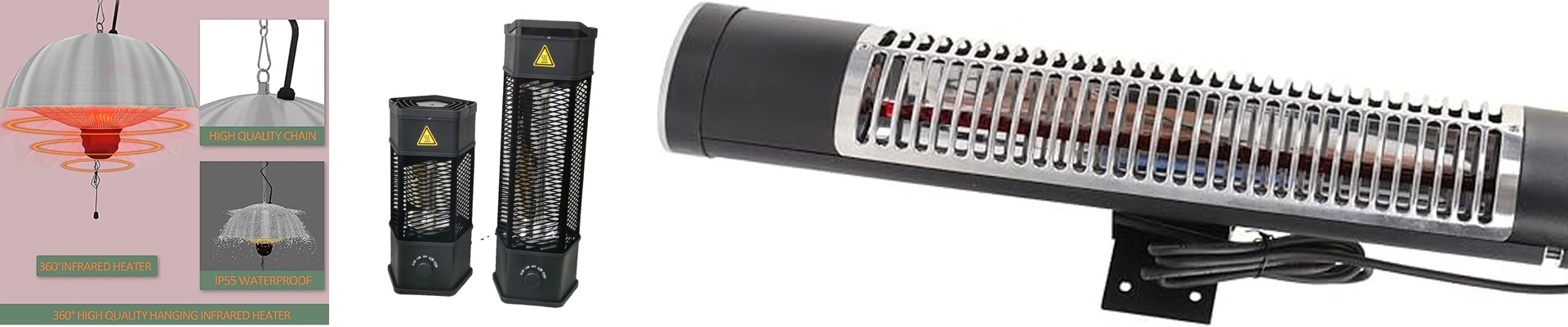
When you’re putting an infrared heater in a bathroom or out on a pergola, the heat is the easy part. The real headache? The light. Most standard short-wave tubes blast out this harsh, blinding white light. It’s aggressive. If you’re in a bathroom—especially with a baby—that kind of glare is just too much. Nobody wants to feel like they’re standing under a stadium floodlight while they’re trying to relax. Saving Your Eyes We handle this by tweaking the spectrum. By using specific quartz coatings and adjusting the filament, we filter out that piercing white light. Instead, you get a soft, warm amber glow. It feels more natural. You still get all the warmth you need to get cozy, but your eyes aren’t straining. It’s the difference between a campfire and a surgical lamp. Dealing with Steam and Rain Bathrooms and patios are tough environments. You’ve got steam, splashes, and humidity everywhere. If a bit of moisture hits the electrical contacts or the filament, things go south quickly. You’ll get oxidation or, worse, a short circuit. To stop that, we wrap everything in IP-rated housings. We use high-temp silicone seals and tempered glass that keeps the insides bone-dry but lets the heat flow right through. The Honest Trade-offs Here’s the thing: you don’t get something for nothing. These low-glare lamps don’t hit “full blast” instantly like those industrial short-wave tubes do. They take a minute to warm up. But in a home bathroom, that’s actually a good thing. A gradual ramp-up feels safer and more comfortable. One last tip: check your wiring. These units usually run for longer stretches than a quick-burst industrial heater. If your wire gauge is too thin, you’ll lose voltage, and your heater will just feel lukewarm.Make sure your wiring is up to the task, or you’re just wasting your time.