Making Your Outdoor Heaters Actually Smart
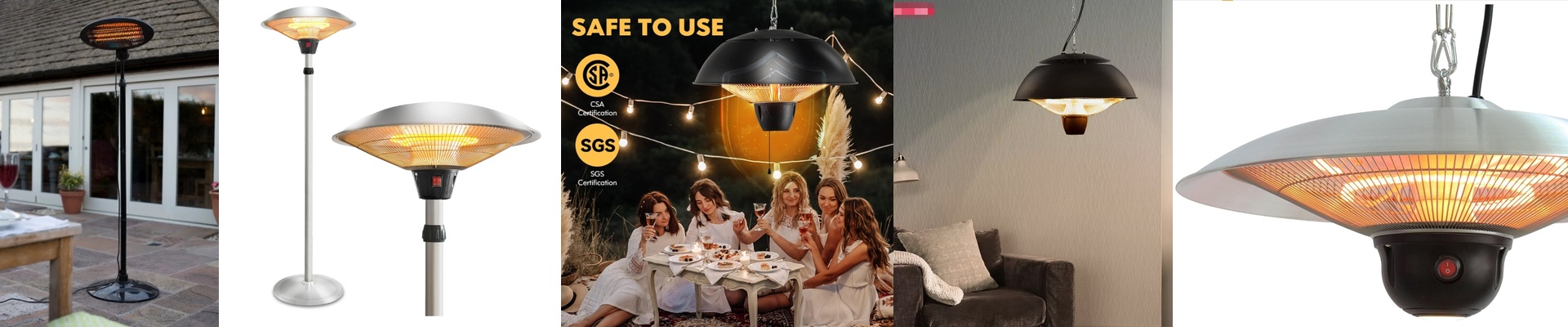
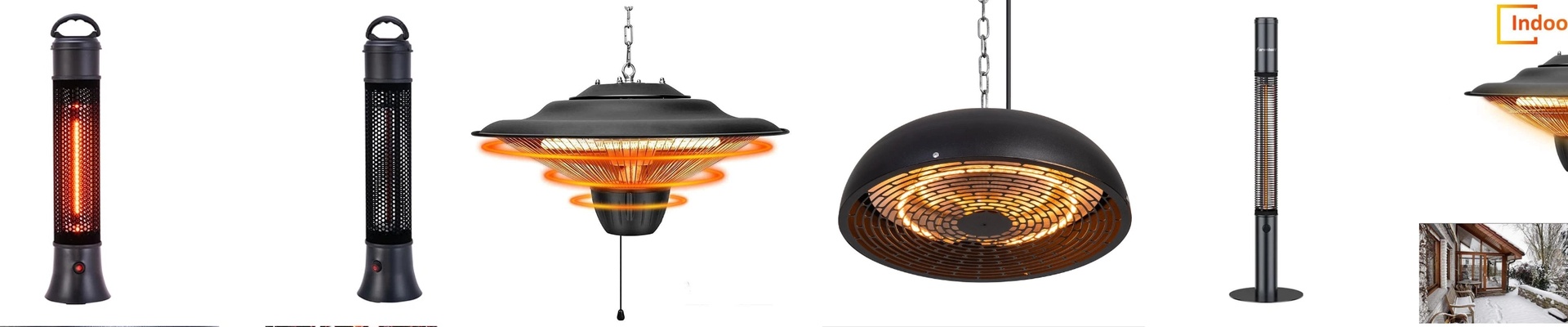
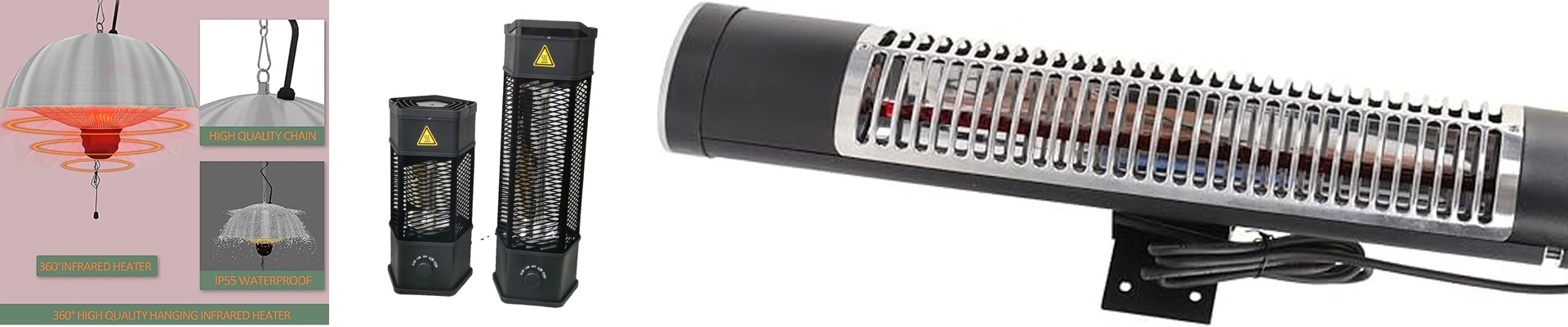
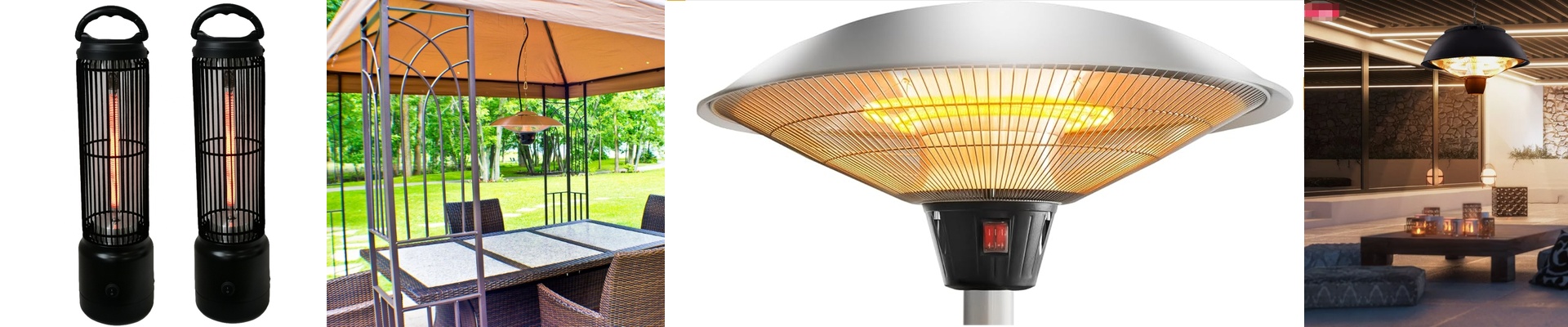
If you’re putting a heater outside, it needs to be tough. Rain, dust, wind—the elements don’t play nice. That’s why we build our infrared heaters to IP66 standards. In plain English? They’re dust-tight and can handle a blast of high-pressure water without blinking. You don’t have to baby them.
Heat that doesn’t make you wait
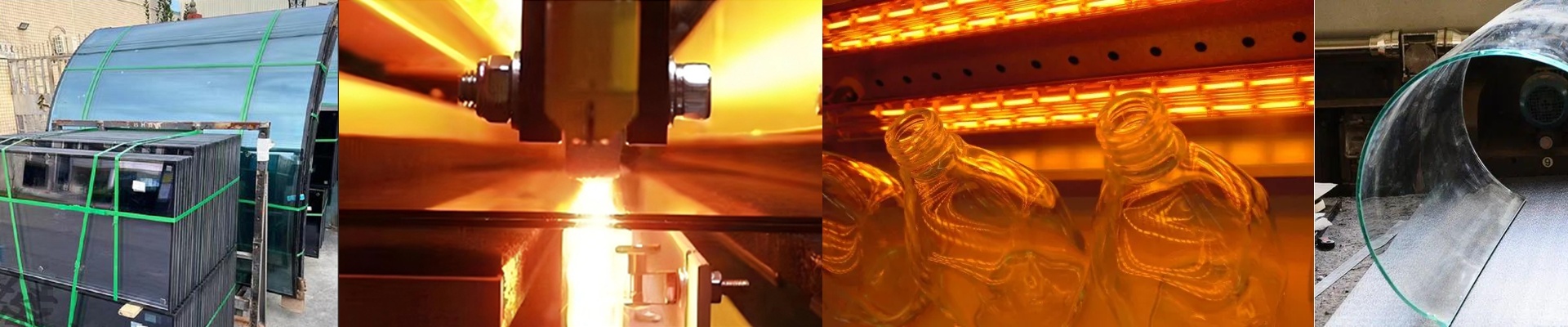
Most heaters try to warm up the air around you, which takes forever—especially when the wind is blowing that warmth away. Infrared is different. It sends energy straight to you. It’s like stepping into a patch of sunlight on a cold day. When you hook these up to a smart home system, the lag is gone. You tap a button on your phone, the filament glows in a fraction of a second, and you’re warm.Right now.
Getting it all to talk to each other
To get that “one-tap” feeling, we connect the heater’s power to smart relays or controllers using Zigbee or Matter. Here’s how it works: your phone sends a tiny signal to a heavy-duty switch (a contactor), and that switch does the heavy lifting of moving the actual power. One quick tip: I really suggest using a smart thermostat with an external probe. It keeps the heater from clicking on and off every two minutes, which keeps your lamps from burning out too early.
A few things to keep in mind
There’s a trade-off with that IP66 sealing. Since the unit is locked tight to keep water out, heat can get trapped inside the casing. The heat beam goes outward toward you, but the electronics inside are still sitting in a hot box. If you tuck the heater into a tight outdoor alcove and run it at full blast all night, the components will wear out faster. Just give the back of the unit some breathing room. A little airflow goes a long way in making sure your control board doesn’t cook itself.