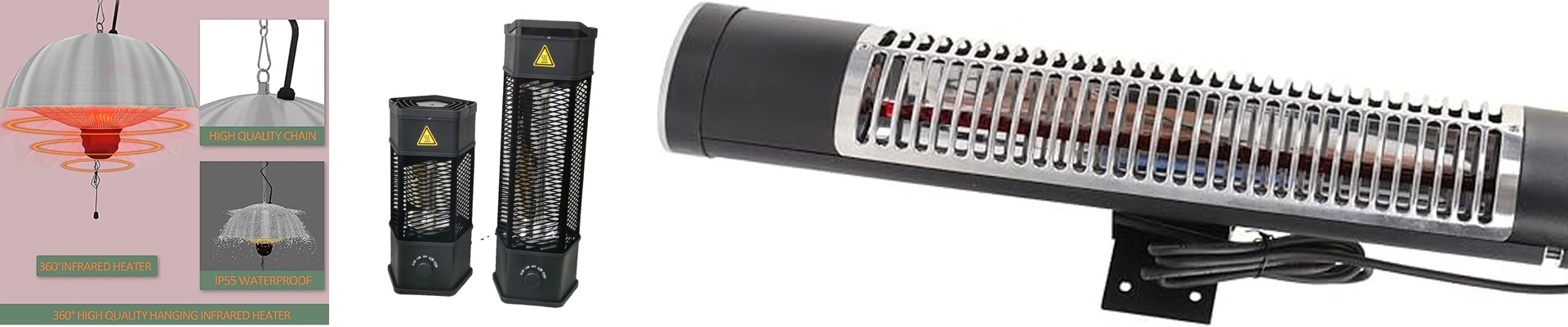

Why Most Bathroom Heaters Suck (And How We Fixed It)
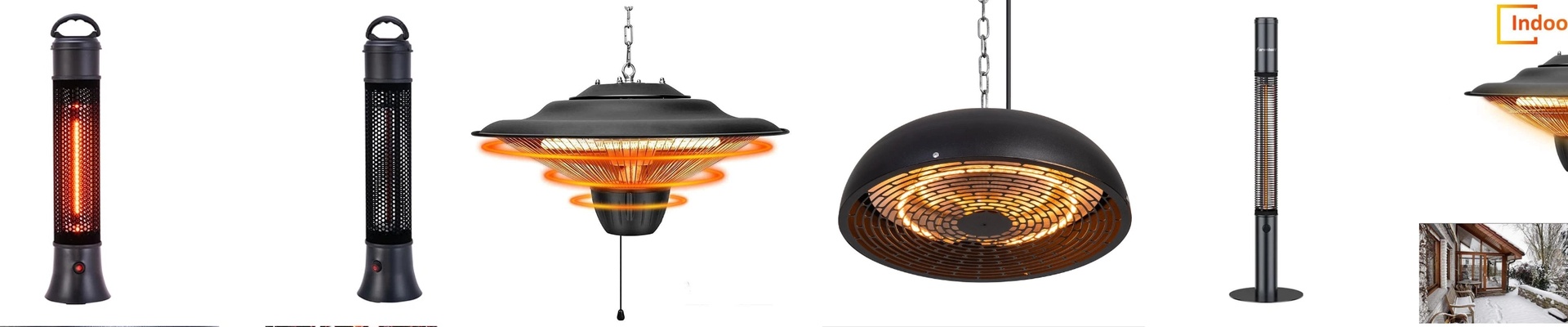
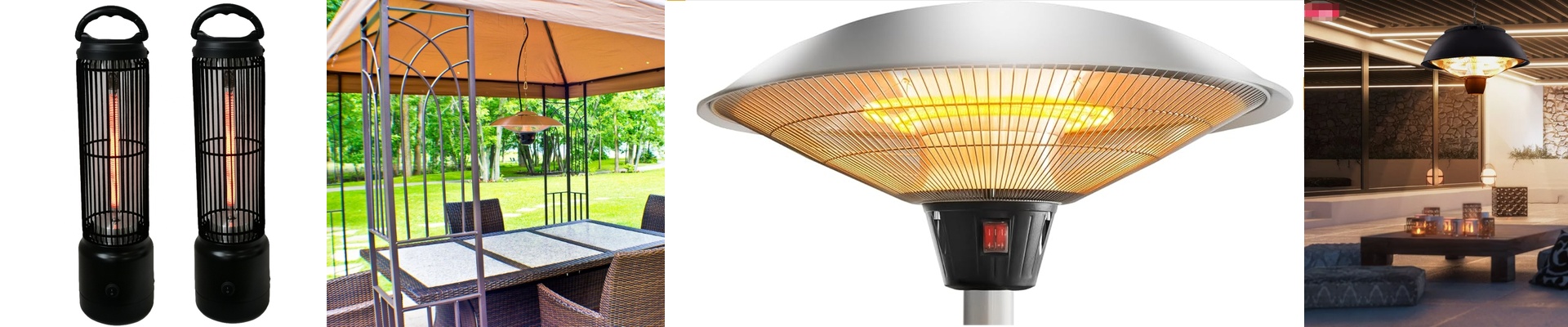
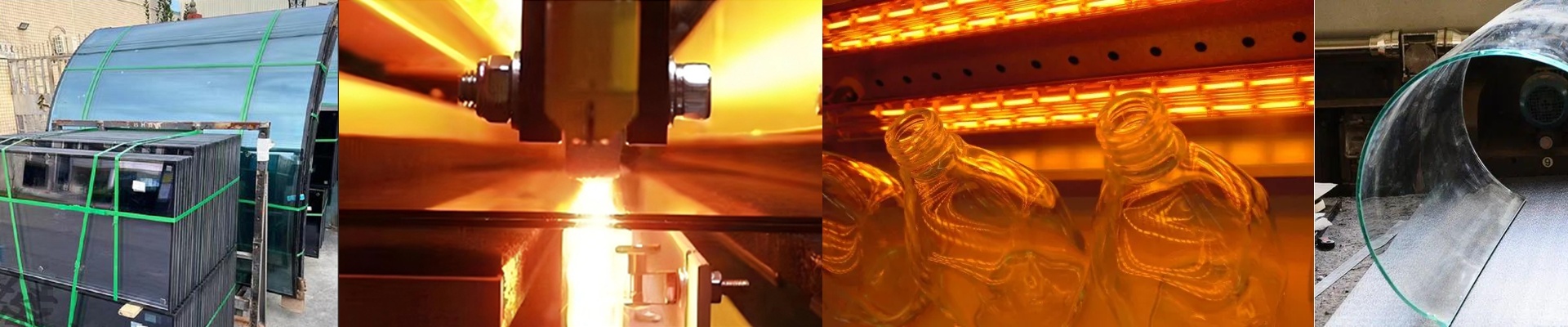
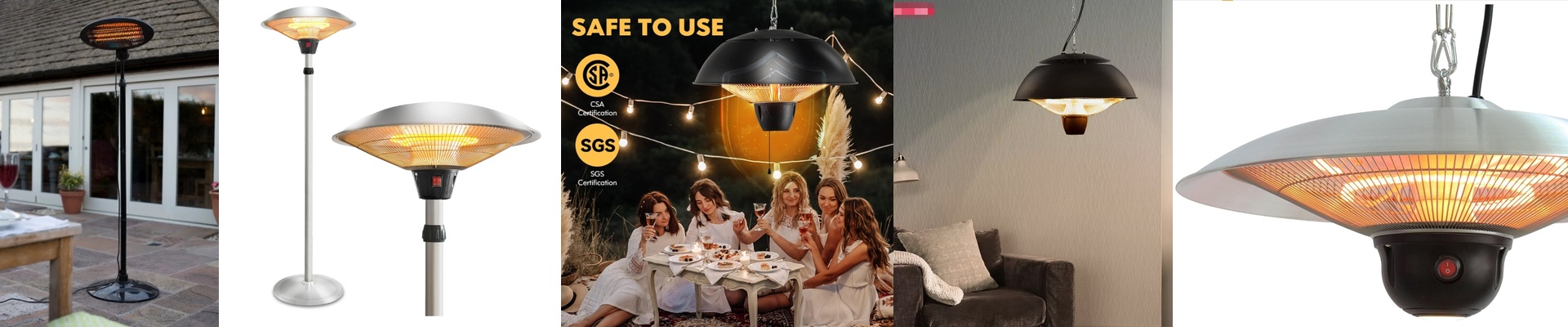
Let’s be honest: most bathroom heaters are a disaster. Either moisture seeps into the electricals and fries the thing, or the quartz tube cracks the second it hits a temperature change. It’s frustrating. We decided to handle this differently. Instead of trying to warm up the air—which just floats away to the ceiling anyway—we use shortwave infrared (SWIR) tucked inside waterproof, IP-rated housings. Think of it like the sun. You don’t wait for the air to get warm to feel the heat on your skin; you feel it instantly. That’s why you’re warm in seconds, even if you’re standing in a drafty changing room. The secret is in the speed. We use high-wattage quartz halogen lamps. The filament hits its peak temperature almost the moment you flip the switch. Because this is about radiation, not moving air around, the heat goes exactly where it belongs: on you. You get a massive amount of warmth without needing a giant, bulky machine taking up space. Building it to last in a steam room The heart of the unit is a quartz glass tube. We often coat these to make sure the heat output is exactly where it needs to be. But since humidity is the enemy, we don’t take chances with the connections. We use heavy-duty sockets—usually R7s—and seal them tight with gaskets. For the body, we stick to aluminum or stainless steel. It sheds water effortlessly and keeps the internal wiring from overheating. A few things to keep in mind If you’re putting these in a commercial locker room, just a heads-up: these lamps pull a lot of power. You’ll want to make sure your circuit breakers can handle the initial surge when everything kicks on, or you’ll be spending your afternoon resetting the power. Also, while the heat is powerful, those quartz tubes are a bit delicate. They can’t take a hit. That’s why we add a protective grill. It keeps the glass safe from accidental bumps without blocking the heat waves from getting to you.