Keeping Your Infrared Heaters Alive in Wet Environments
If you’ve ever run industrial infrared heaters, you know the nightmare. A little bit of water gets where it shouldn’t, or some condensation builds up, and suddenly your expensive gear is fried. When a drop of water hits a quartz tube that’s screaming hot, the glass doesn’t just get wet—it cracks. Thermal shock. Or worse, moisture seeps into the electrical housing and you’ve got a short circuit on your hands. It’s a mess. That’s why we went with an IP65 rating.
How it actually works
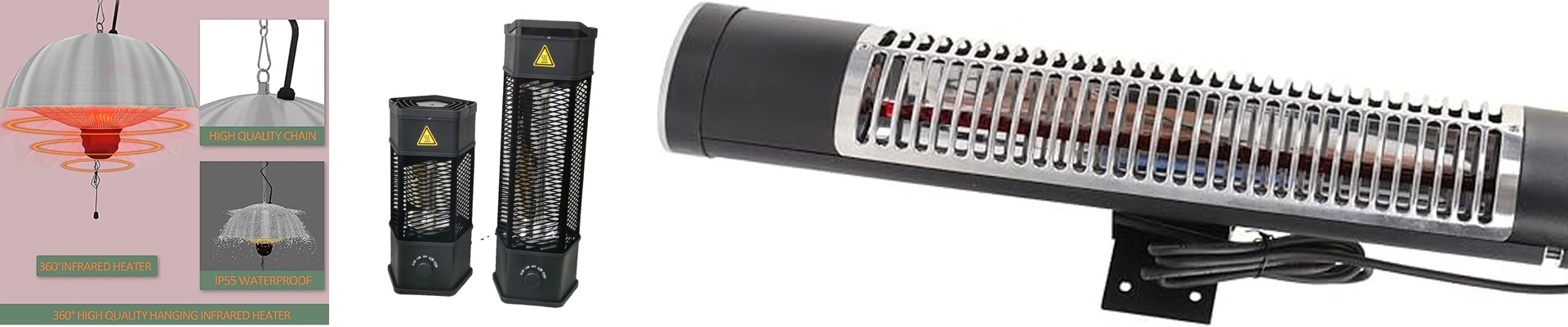
In plain English, IP65 means the unit is totally dust-tight and can handle water jets hitting it from any angle. We didn’t just slap a cover on it. We used high-temperature silicone gaskets and beefed up the sealing rings at every single spot where a cable enters the unit. It keeps the splashes and the mist away from the wiring. But the real trick is how we handle the fog. We managed the temperature across the outer casing so condensation doesn’t settle on the lens or the heating element. Because if water beads up on a tube at 500°C? Game over. Our seals stop that from happening.
The trade-off
Here’s the thing: when you seal something this tight to keep water out, you’re also trapping heat inside. Since the unit isn’t “open-air,” the internal temperature climbs faster than it would in a basic heater. Just a heads-up: make sure your mounting brackets aren’t blocking the airflow. If you choke the heat dissipation, you’ll put way too much stress on the internal capacitors.
Where this helps you
These heaters are built for the grit. I’m talking about wash-down areas or those humid zones where a standard heater would burn out in a couple of months. You can throw these into a food processing plant or a chemical line and stop worrying about spray-back. Your electrical contacts stay bone-dry, and you avoid that brutal cycle of heating and cooling that happens when water hits the elements. It’s a simple fix for a problem that usually causes a lot of headaches on the shop floor.