Getting Silk-Screen Tempering Right with Gold-Coated IR Lamps
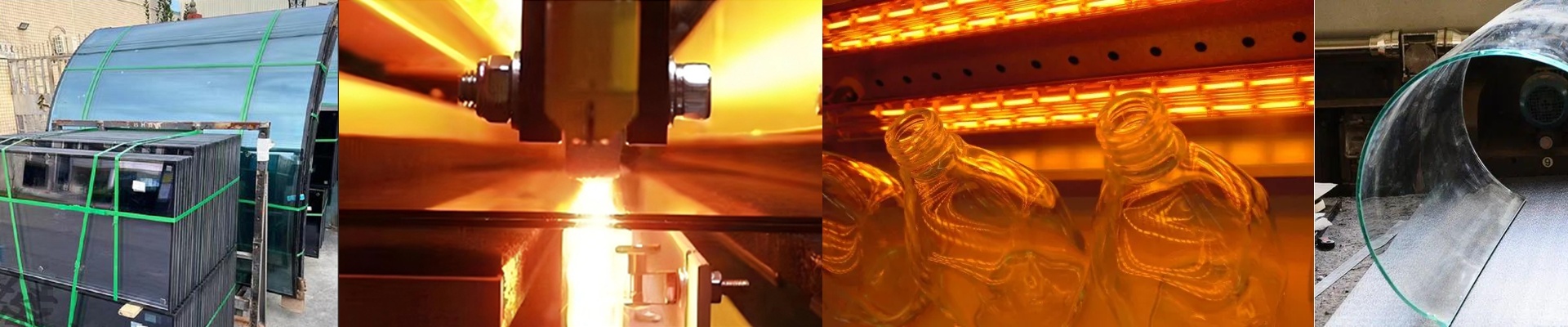
Here is the struggle when you’re tempering glass right after silk-screening: you’re fighting a losing battle with heat. You need it hot enough to bond the ink and get that structural strength, but if you linger too long or heat it too slowly, your crisp patterns start to blur. It looks messy. It looks cheap. That’s where gold-coated shortwave IR lamps come in. The magic of the gold coating Standard quartz lamps are okay, but they waste a lot of energy by bleeding heat into the air around them. By adding a thin layer of gold to the quartz, we basically create a mirror. Instead of the heat escaping, it gets bounced straight back onto the glass. This means the glass hits its target temperature way faster. Because the energy transfer is so aggressive, the ink cures and the glass tempers before the heat has a chance to wander sideways. No wandering heat means no blurry edges. Just sharp, clean lines. A word of caution on the power Now, these lamps pack a serious punch. Since they operate at such high watt densities, your power supply and cooling systems are going to feel it. If you go with a high-wattage setup, don’t skimp on the cooling fans. You need to pull that ambient heat away from the lamp ends. If those ends get too hot, you’ll fry your electrodes, and then you’re looking at unnecessary downtime. Strength without the smudge The trick is creating a steep thermal gradient. You want to slam that surface temperature up quickly to “lock in” the pattern. Once that’s set, the heat sinks deeper into the glass to give you the strength you need. Sure, these lamps cost a bit more upfront. But when you look at how much scrap you stop throwing in the bin and how much faster your cycle runs, the math works out. It’s a simple swap for your old lamps. Just remember to tweak your conveyor speed—since the heat is more intense, you don’t want to cook the glass.