Making Your Ceiling Heaters Actually Smart
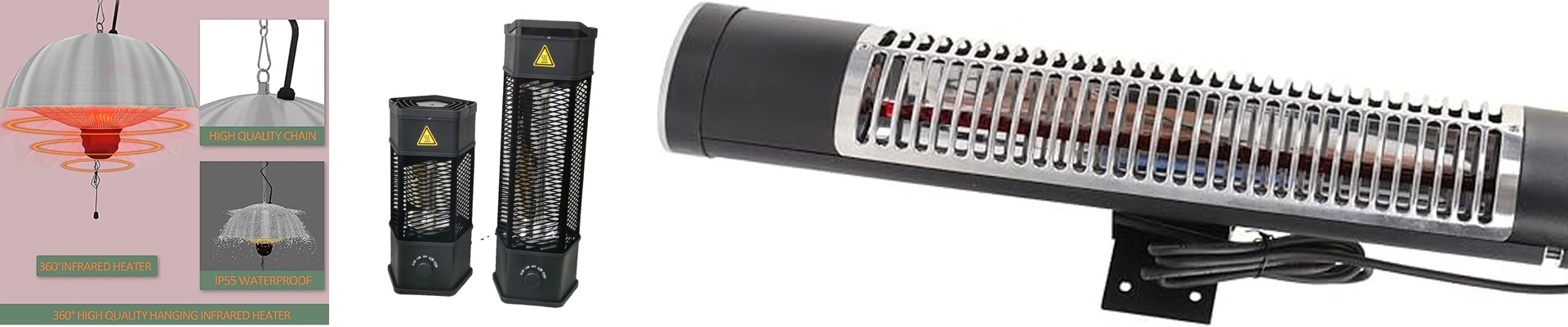
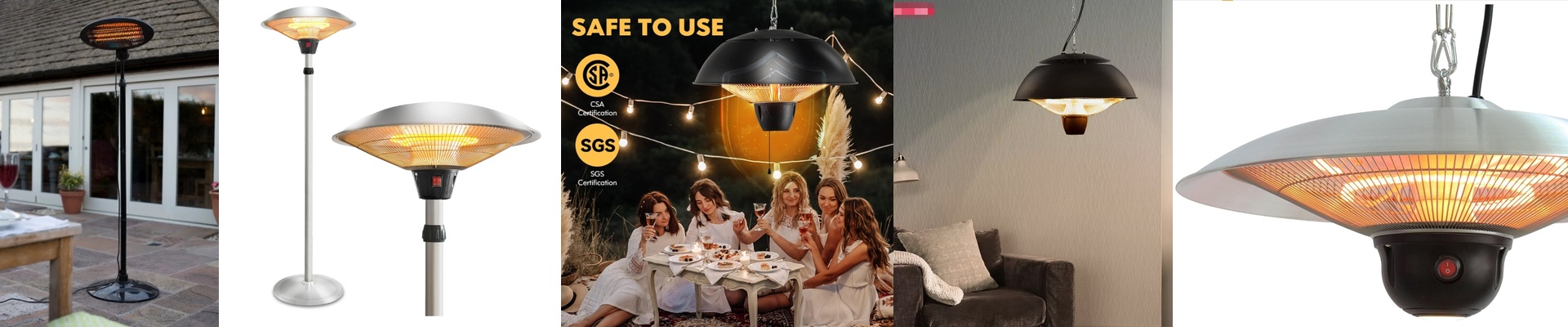
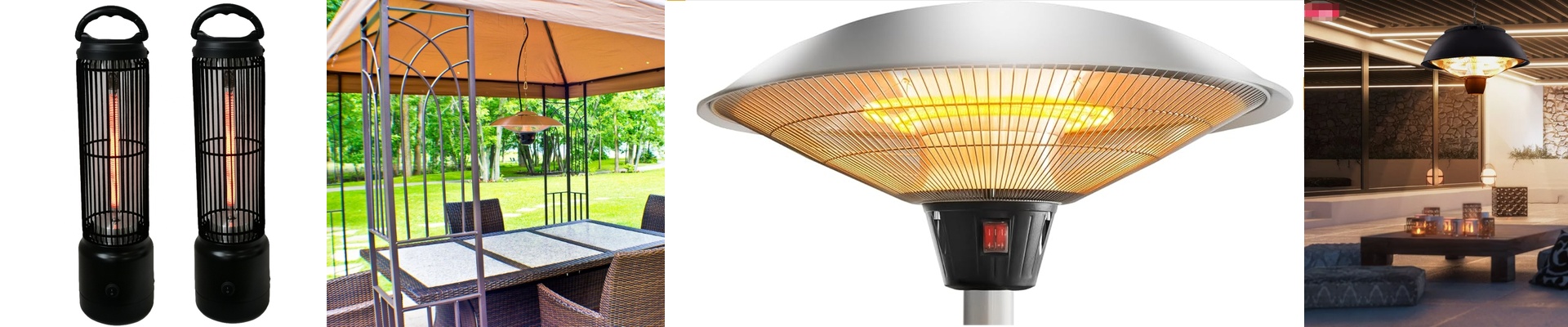
Most heaters just blow hot air around until the whole room feels like a sauna. Infrared is different. It hits you and your furniture directly with warmth, kind of like standing in a patch of sunlight on a cold day. It’s a much better way to stay warm, but the real magic happens when you stop flipping a manual switch and let your house handle it for you. The tricky part: The wiring Here is the thing about these heaters: they’re power-hungry. Most of them run on 220V, while your smart home hub runs on tiny, low-voltage signals. You can’t just plug one into the other—you’ll fry your gear. To make this work, we use a relay. Think of it as a middleman. The smart switch tells the relay to “wake up,” and the relay then flips the heavy-duty power on for the heater. We always make sure the relay can handle the peak amperage, otherwise, the contacts can literally weld themselves shut. Not a great look. Instant warmth, no waiting The best part about infrared? It’s fast. Really fast. Unlike an old radiator that takes thirty minutes to get lukewarm, these things are instant. By pairing them with a few motion sensors and a temperature probe, you can set up a simple rule: If someone is in the room and it’s colder than 18°C, turn on the heat. You can trigger it with your voice or a quick tap on your phone. You walk in, and you feel the warmth immediately. It just works. A few things to watch out for Before you go all-in, keep in mind that these units put a serious load on your electrical panel. You absolutely cannot piggyback these onto a lighting circuit. You’ll need a dedicated line with the right gauge wiring, or you’re asking for a voltage drop (or worse). And here is a pro tip: don’t trust the software 100%. Apps crash. Hubs go offline. I always install a physical override switch on the wall. That way, if your internet dies in the middle of January, you aren’t left shivering in the dark. You just flip the switch and stay warm.