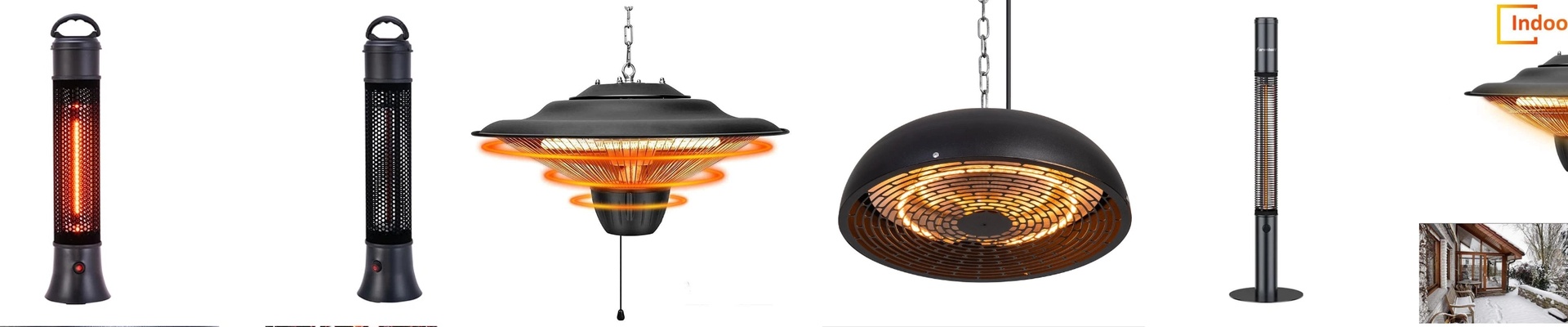
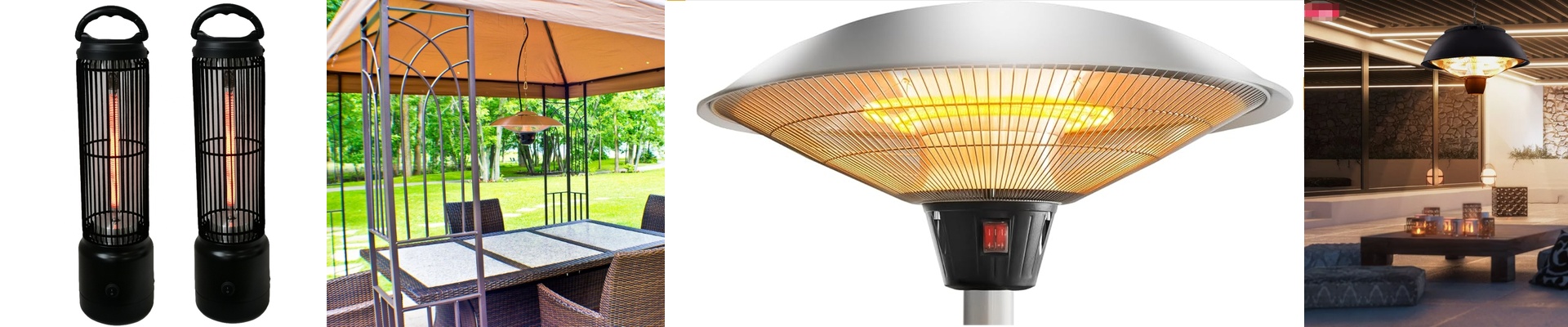

Stop Throwing Away Your Patio Heaters
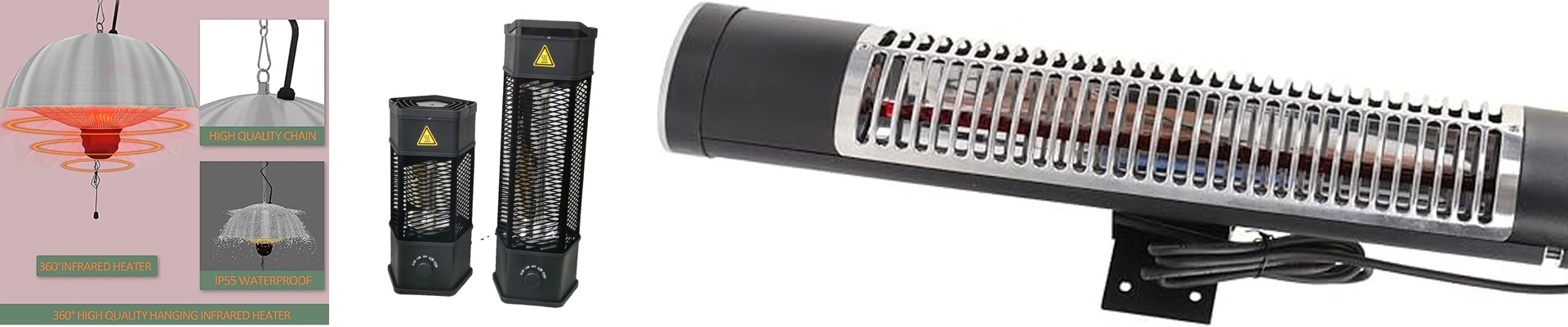
Here is the problem with most IP55 patio heaters: they’re built like vaults. To keep the dust and rain out, manufacturers seal everything shut. That sounds great until you’re the one fixing it. Usually, after about five years of winter cycles, a heating element finally gives up. But because those tubes are often welded in or hard-wired into the frame, you’re stuck. You either spend hours tearing the whole chassis apart or—more likely—you just scrap the entire unit. It’s a waste.
A Better Way to Handle Burnouts
We got tired of that, so we did things differently. Instead of burying the elements, we put them in independent cassettes. Think of it like a drop-in system. When a tube goes, you don’t have to mess with the main control board or wrestle with rusted screws. You just slide the old module out and snap a new one in. We specifically designed this for that “five-year itch.” By then, quartz tubes usually lose their punch or just wear out from the heat. With this setup, you can swap the core of the heater in under ten minutes. The best part? You don’t have to worry about ruining the weather seal on the outer shell.
The Trade-offs (Because Nothing is Perfect)
Making something easy to swap while keeping it water-resistant is a balancing act. To make it work, we use compression gaskets where the module meets the frame. They do a great job of keeping moisture out, but they do make the heater a bit bulkier. It’s a small price to pay for not having to buy a new heater every few years. Then there’s the wiring. We ditched the screw terminals for heavy-duty, plug-and-play connectors. It means no loose wires and no scary electrical arcs when you’re working in the field. Just one tip:**make sure you hear that click.**These connectors need a firm seat. If they’re loose, the high current from the infrared tube can cause the contact point to overheat. It turns a massive, frustrating overhaul into a simple part swap. Your heater stays running, and your wallet stays full.