Let’s Talk About Gold Reflector Plates
Most people look at furnace reflectors and just see sheets of metal. I get it. They look boring. But they’re actually more like precision mirrors. When we talk about using gold plates, we’re really talking about one thing: making sure the heat actually hits your workpiece instead of just warming up your furnace walls.
Why Gold?
It comes down to the physics. Gold is the king of infrared reflectivity. Now, polished aluminum or stainless steel might look shiny to the eye, but they’re secretly soaking up a lot of that heat. Gold is different. It bounces back about 98% of that IR radiation. The result? The heat stays exactly where it belongs. You get a much tighter thermal profile and your ramp-up times drop. It’s a massive win for efficiency. But here’s the catch: you have to keep them spotless. A little bit of dust or a smudge of oil is all it takes to kill the reflectivity. If that happens, you’ve basically turned a high-end tool into a very expensive heat sink.
It’s Not Just About the Part
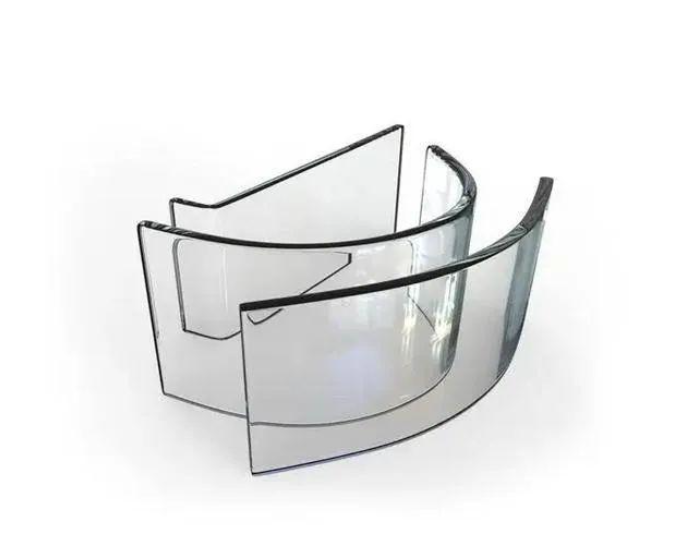
Buying a new plate is the easy part. Getting it to actually work in your system? That’s where things get messy. I see it all the time—engineers just swap out a burnt-out plate and call it a day. But they forget to check the focal point. If the curve of that plate is off by even a few millimeters, your heat distribution goes sideways. You’ll end up with hot spots that warp your parts or blow out your lamps way too early. That’s why we prefer to come on-site. We don’t just want to ship you a box; we want to make sure your lamps are aligned and the distance between the heater and the reflector is spot on.
The Honest Trade-off
Look, gold plates aren’t cheap. You’re going to pay more upfront than you would for aluminum. But for most of our clients, the energy savings and faster cycle times pay for the difference in a few months. It just makes sense. One last thing: be careful. Gold is soft. If your maintenance crew is rough with them during a lamp change and scrapes the surface, the coating is gone. Handle them like they’re fragile, or you’re basically just paying for overpriced aluminum.