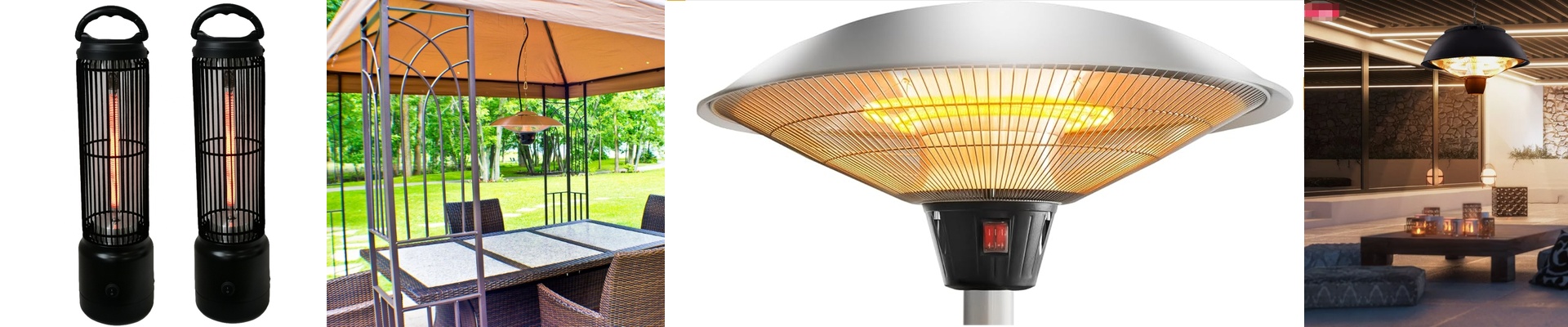
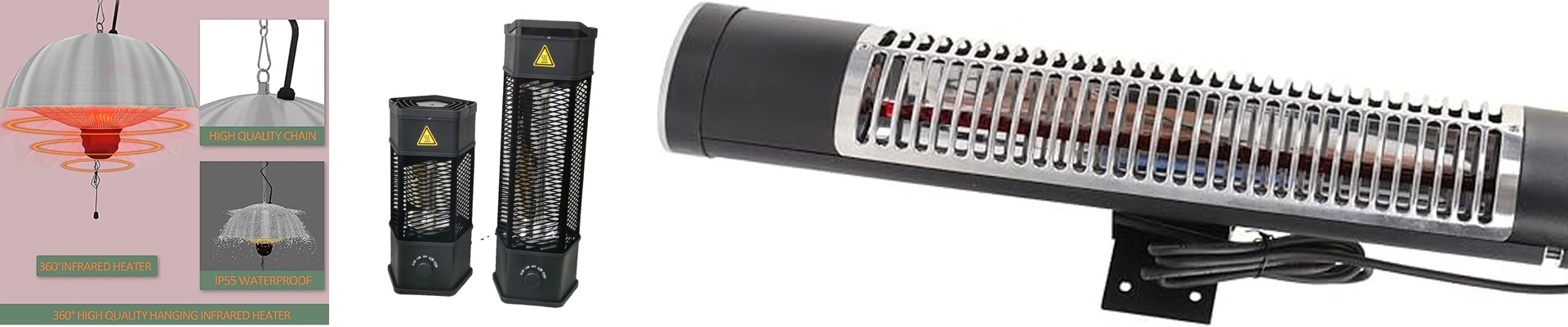
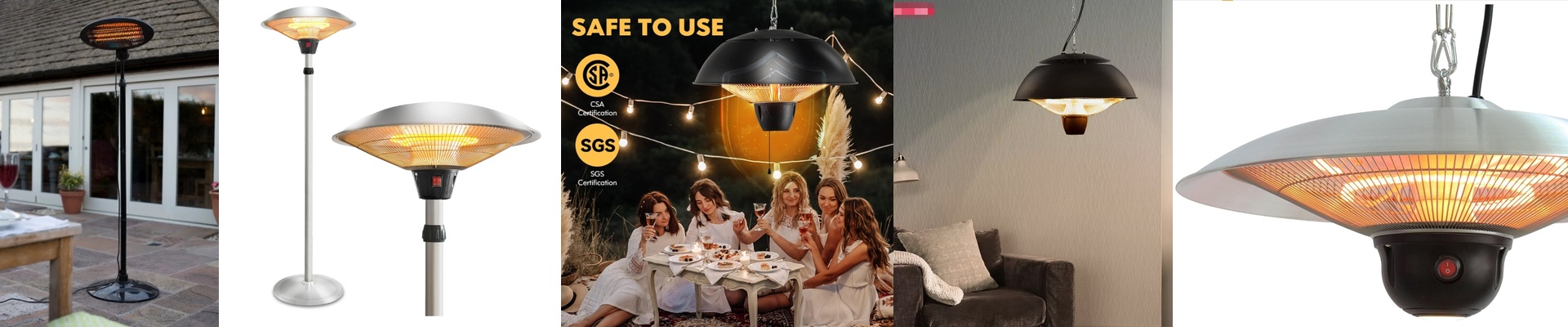
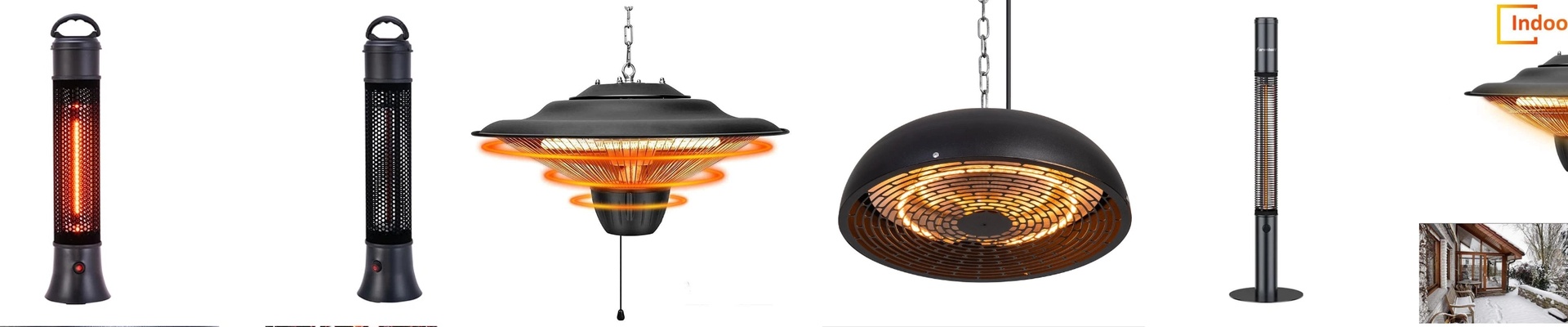
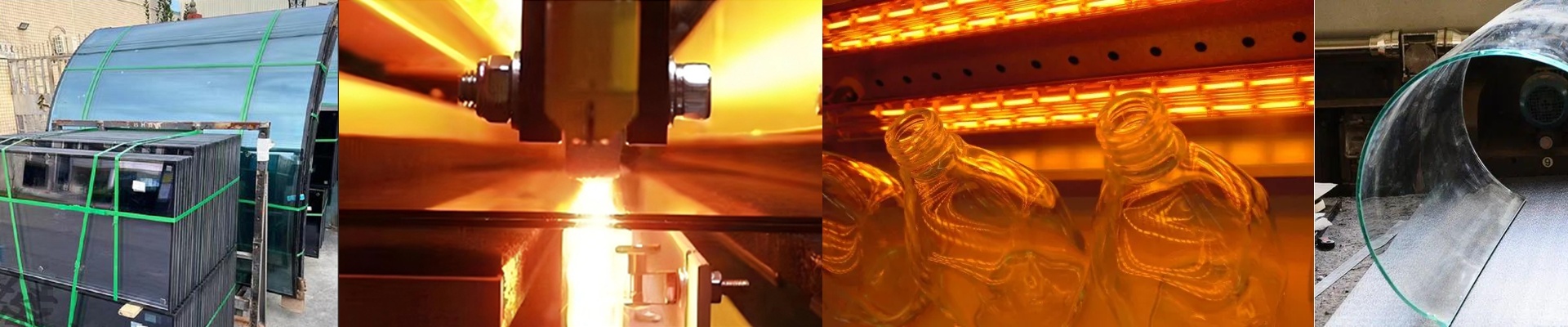

The moment that first cool breeze rolls across your terrace, you don’t have time for a heater that takes its sweet time. Guests are on their way, the evening is stretching out, and a slow-starting patio heater kills the vibe. We built our infrared terrace heaters to get the job done fast—from the first engineering sketch to the finished unit—so warmth shows up the second you need it.
What matters under the hood
Our terrace heaters lean on short-wave infrared, sending heat straight to people and surfaces instead of wasting energy trying to warm the air. Inside, a carbon fiber element comes up to temperature in seconds, hits operating heat quickly, and holds steady output even when the wind changes direction. The result is a quiet, immediate warmth that feels natural, not like you flipped a switch. Each unit is designed for standard 120V outlets and uses a durable quartz tube that stands up to repeated thermal cycling. For control, an adjustable thermostat keeps comfort consistent, while safety details—tip-over protection and a protective grill—keep operation straightforward.
Why this works in the real world
Here’s the point: speed without cutting corners. Our production line is set up to scale fast, so we can go from a refined design to bulk orders in short order—without skimping on materials or testing. For you, that means less lead time and more evenings outside. The radiant warmth stays focused where people are sitting, so conversations keep going and nobody has to crowd around one hot spot. It’s outdoor heating that fits real life: starts fast, holds steady, and stays easy to live with.
What you should keep in mind
Infrared heat performs best in open or semi-enclosed spaces where air movement is moderate. For full comfort, size the unit to your terrace layout and position it to cover the main seating area. Keep clearances clear and follow local electrical codes during installation. One practical note: because radiant heat warms objects directly, nearby surfaces can feel warmer than the air temperature. So aim the heater toward people and key surfaces, not directly at sensitive materials.