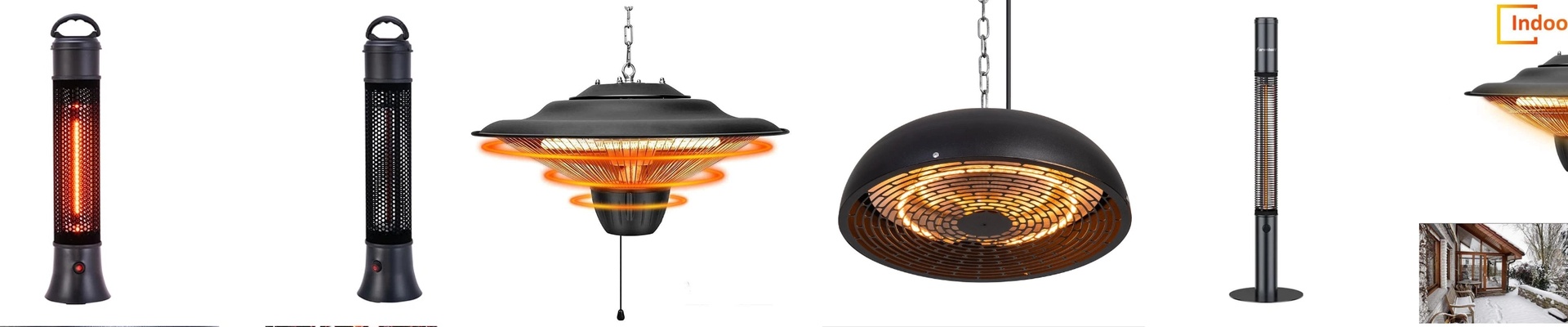
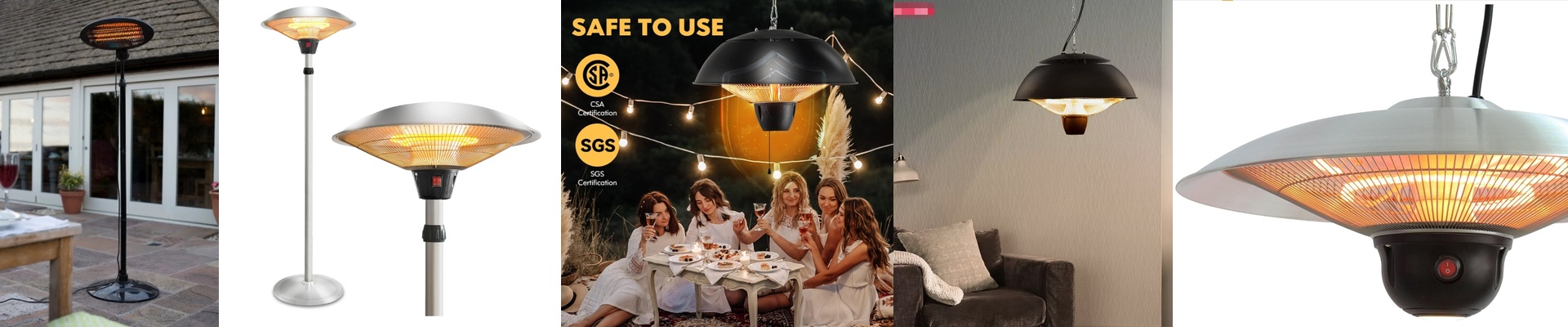
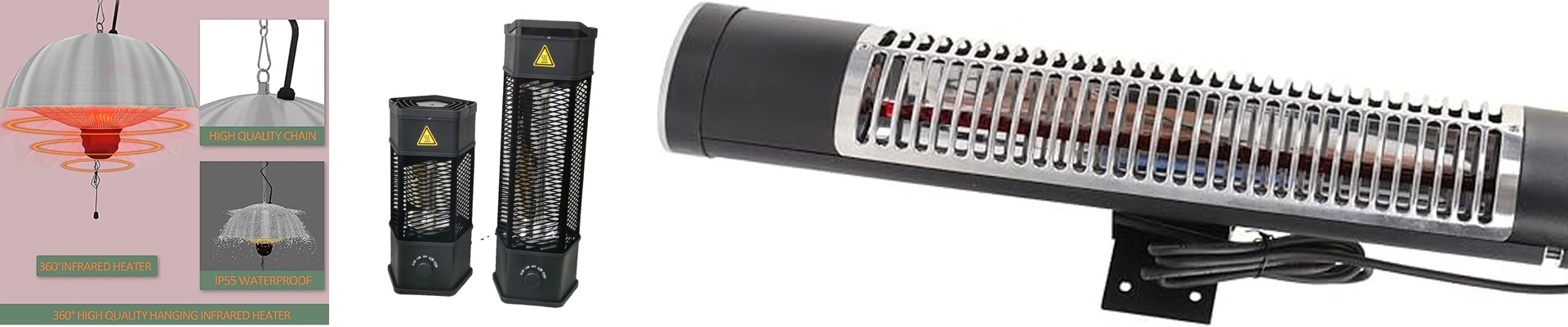
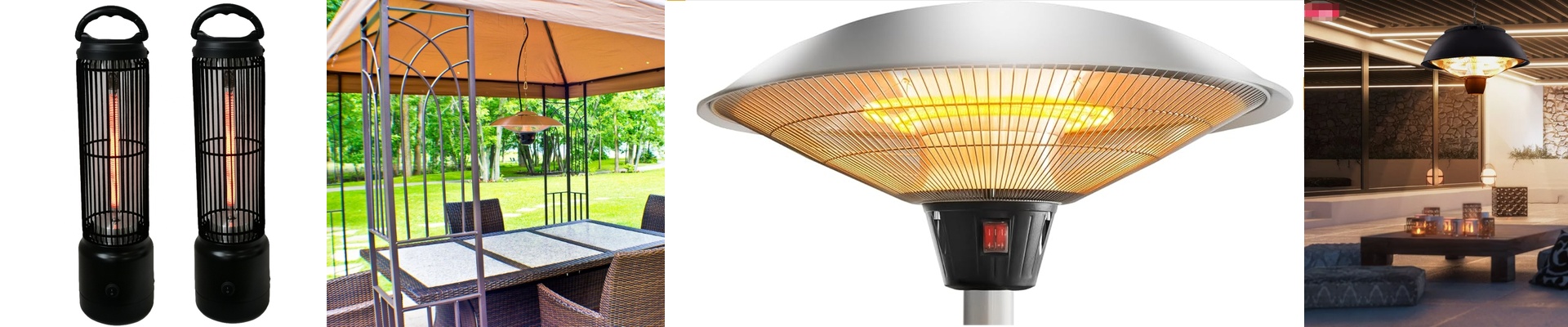

Why Our Outdoor Infrared Heaters Hold Onto the Heat
We built our outdoor electric infrared heaters for one simple reason: to put warmth exactly where you need it, without throwing money at heating empty air. And here’s the magic—when the unit turns off, the space stays cozy because the heat has been soaking into solid things around you, not floating away.
The Power Behind the Warmth
At the heart of our heaters is a high-output halogen element. It runs on standard mains voltage—220–240V—and pumps out 1.5–2.5 kW of focused heat. We keep the tube short, around 300 mm, so the heat is dense and concentrated. That means you get a warm zone fast, right where you want it. But with that kind of punch comes responsibility. You need to make sure your wiring, fuse, and contact ratings are up to the job, especially if the circuit is near its limit. And because this heater radiates strong, it’s smart to watch clearances and nearby surfaces so nothing gets too hot.
The Ingredients That Make It Reliable
Inside, you’ve got a halogen-filled quartz tube. The halogen keeps the element stable and stops it from blackening over time, so the heat stays consistent. Quartz, on the other hand, handles the sudden temperature swings that outdoor units face when the weather shifts—no drama, just steady performance. We use an R7s connector because it’s a dependable industrial fit for this tube style. It locks in solid, carries the current safely, and makes replacing the lamp a no-brainer. The tube’s coating is chosen for strong infrared emissivity, pushing more energy out as radiant heat instead of getting wasted in the air.
How It Feels in Real Life
Outdoor infrared heaters shine because they warm people, gear, and surfaces directly. Those things soak up the energy and give it back, creating a kind of “warm mass” effect. So when the heater switches off, the floors, walls, and even equipment keep radiating comfort. That’s why these units are perfect for patios, loading bays, and workshop doorways. The heat is directional, it hits instantly, and it hangs around thanks to the environment. You get quick comfort and lower running costs compared to heating the air—just make sure you plan the electrical load and mounting spot to get the full benefit.