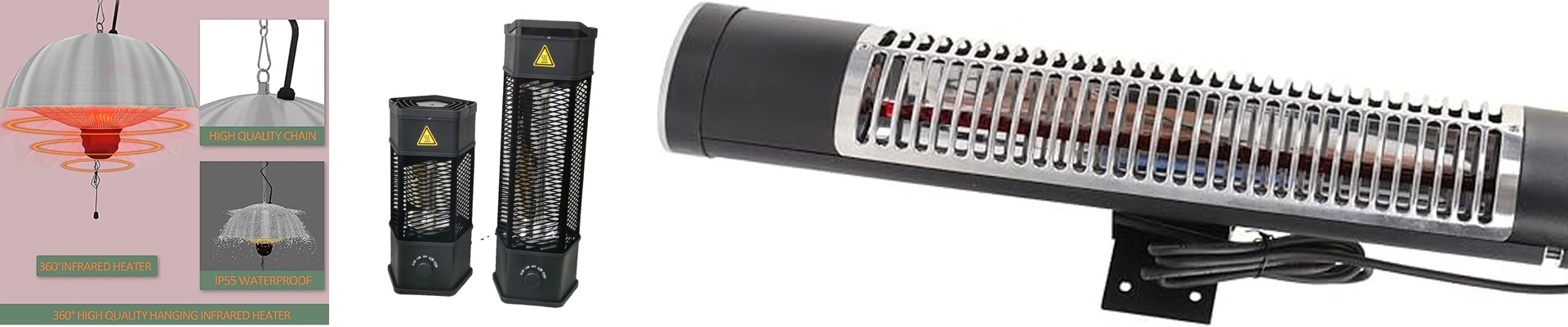
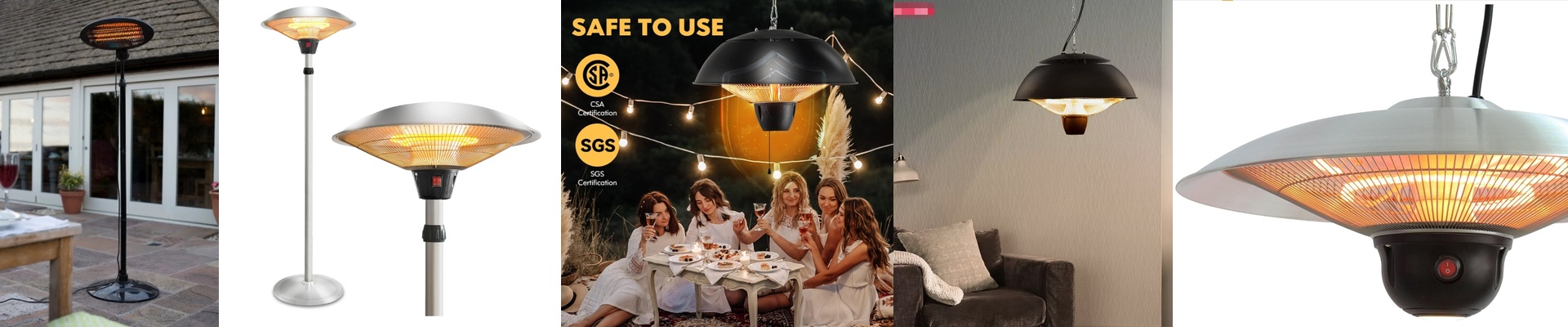
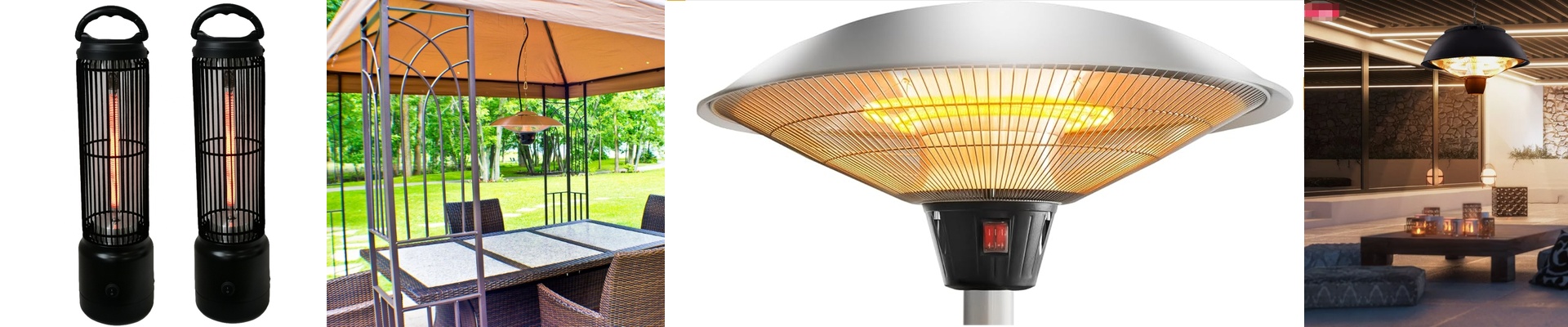
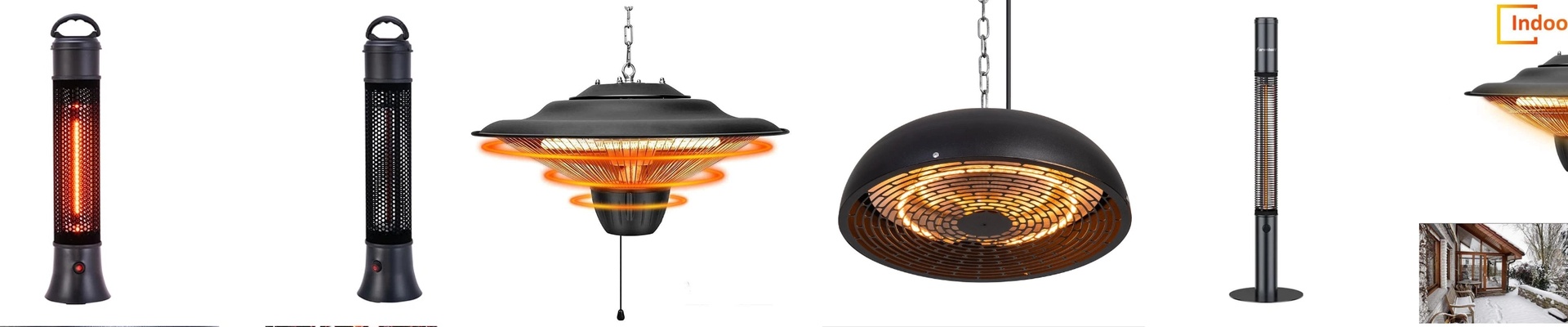

Step into an office on a winter morning and you feel it right away—the dry, moving air that carries heat in gusts. For older colleagues, that blast of hot air hits hard. Faces flush, skin dries out, and the body keeps chasing a comfortable baseline. Infrared heaters change the feel by delivering radiant warmth. They warm people and surfaces first, without churning the air. That matters when comfort is supposed to support health, not work against it.
What matters, technically
Office infrared heaters usually run on quartz tubes or carbon fiber elements that emit short- to medium-wave infrared energy. The heat travels outward in a direct line of sight and gets absorbed by skin and clothing. Forced-air systems rely on convection. Radiant heat warms the body more evenly—front and back—with far less air movement. Most units run quietly, include adjustable thermostats, and are built for either 120V or 240V circuits depending on how the room is wired. On the safety side, you commonly see tip-over protection, overheat cutoff, and cool-touch housings.
Why it works in this setting
For older adults, gentle warmth helps keep muscles relaxed and circulation steady. The “bio-heat” effect of infrared warmth promotes local vasodilation, which may reduce the strain that sudden temperature swings place on the cardiovascular system. In an office, that means fewer hot-and-cold cycles that jolt the body, less dryness that irritates airways, and a more consistent thermal feel around desks and meeting tables. Because the heat is directional, you can place units where people actually gather. The warmth arrives quickly—often within seconds—without waiting for the whole room of air to heat up.
The details that make the difference
Infrared heating works best when people are in the direct beam. Coverage comes down to unit wattage, distance, and angle. For solid results, aim the heater toward seating areas and keep the path clear—don’t block it with furniture or curtains. These units are intended for indoor, dry environments. If you need protection against moisture, look for an IP-rated model. And keep this in mind: infrared heat feels immediate, but on the coldest days you may still need supplemental background warmth to hold a steady overall room temperature.