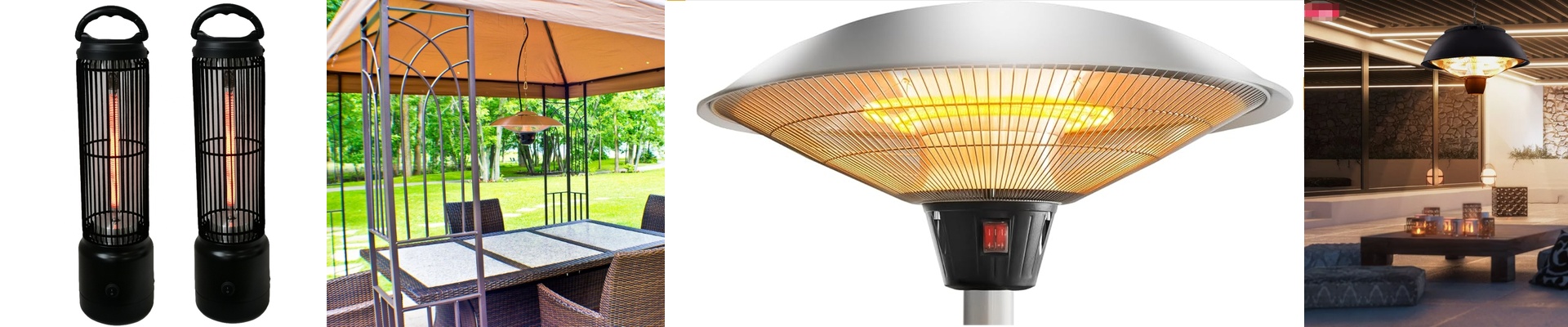

Engineering Electrical Safety in Small Bathrooms: The Infrared Heater Design for 100% Isolation
Let’s talk about a bathroom heater that actually makes sense. We built this small-room infrared heater for the real world—the kind where bathrooms are damp, steamy, and just plain tough on electronics. The whole point? Give you that direct, comforting radiant heat, without ever letting the electrical side of things get sketchy. In a wet environment like this, total electrical isolation isn’t just a nice-to-have. It’s the whole foundation.
Power, Voltage, and Physical Specs
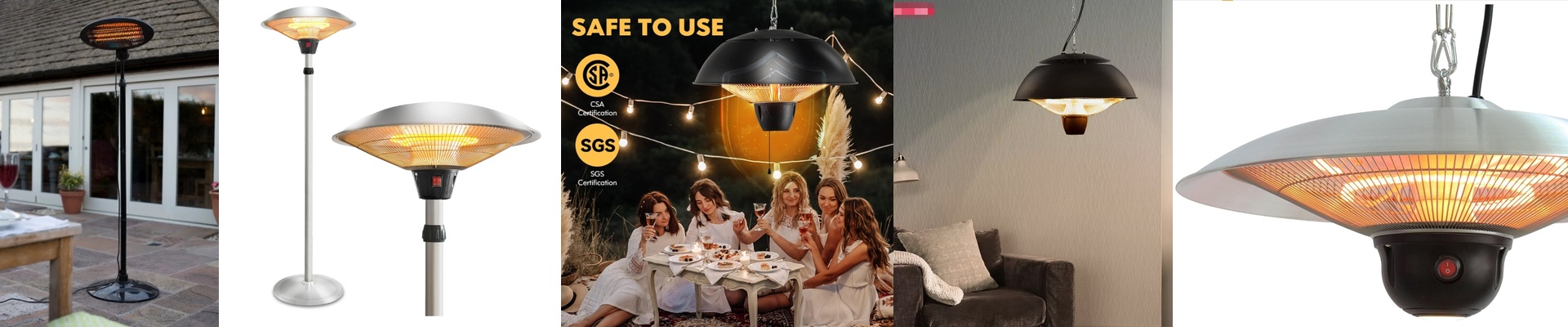
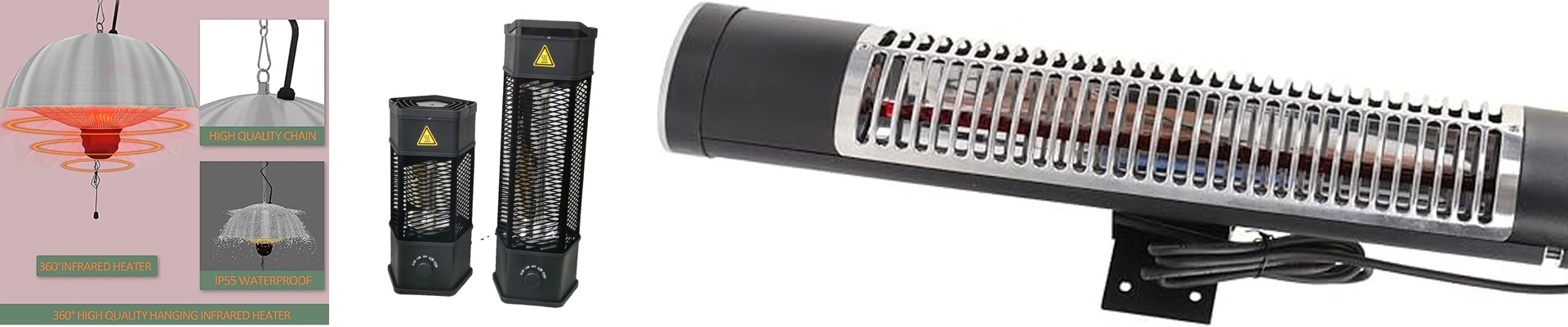
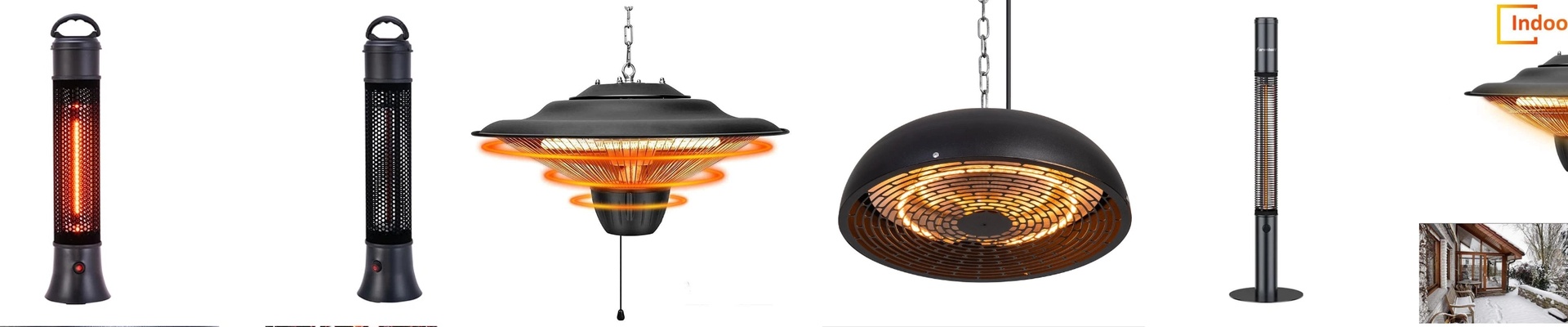
Here’s the thing: we designed this as a dedicated system. It runs on standard mains voltage, and it puts out focused heat that’s meant to warm up a small, enclosed space fast. And it’s small. Seriously compact. So it fits into those tight bathroom spots without eating up your floor space. That tight footprint is actually key—it means we pack the heat into a small area, which makes the radiant warmth feel more intense and direct when you’re using it.
Material & Design: The Physical Basis of Safety
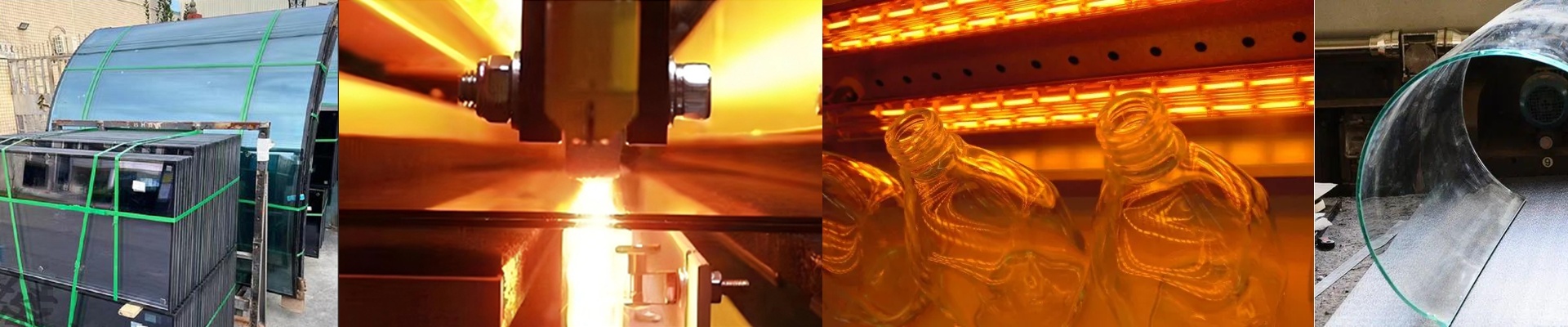
Safety starts with what it’s made of. We use a high-purity quartz tube to house the infrared element. Quartz handles sudden temperature shifts like a champ, and it keeps its electrical strength even when the surface is wet. Inside, the halogen element is completely sealed. No arcing. No shorting. It’s isolated from the outer casing, period. Then we focused on the connections. We went with a tough, industrial-grade connector that locks in place and stays put—no accidental unplugging, no wiggly wires. The whole assembly is sealed up tight against water, so the live parts stay completely separate from the outside world.
Application & Benefits: Solving the Wet-Room Problem
In a bathroom, electrical safety isn’t something you cut corners on. This heater is a straightforward, drop-in answer for adding localized heat right where you need it—like near a shower or wash area. Because it’s fully isolated, moisture can’t get to the electrical components. That means no short circuits, no surprises. Now, there’s a trade-off, and we’re upfront about it. The concentrated heat means you need a properly rated circuit and a dedicated installation. You’ll need to wire it to a protective device that can handle the startup surge. But once it’s in? You get instant, reliable warmth that dries the air and makes the space feel cozy—without ever making you second-guess the safety.