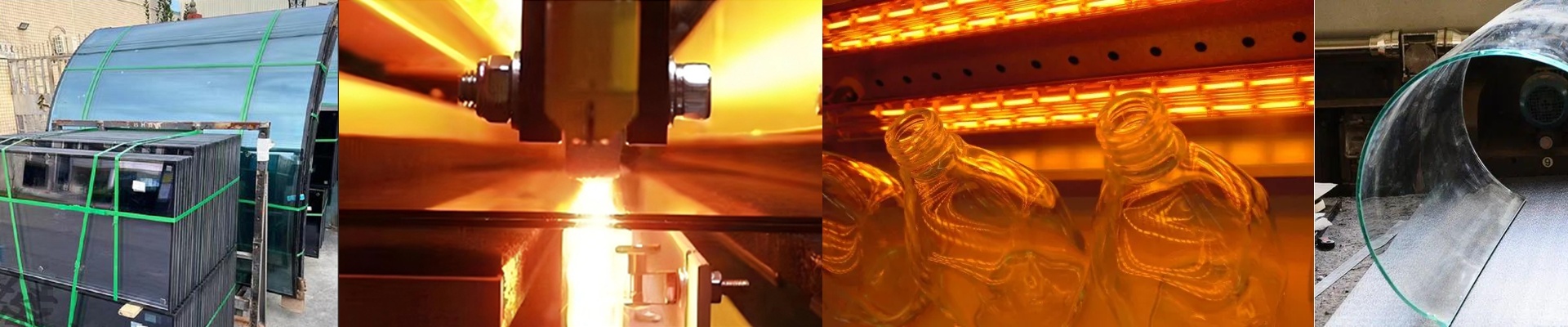
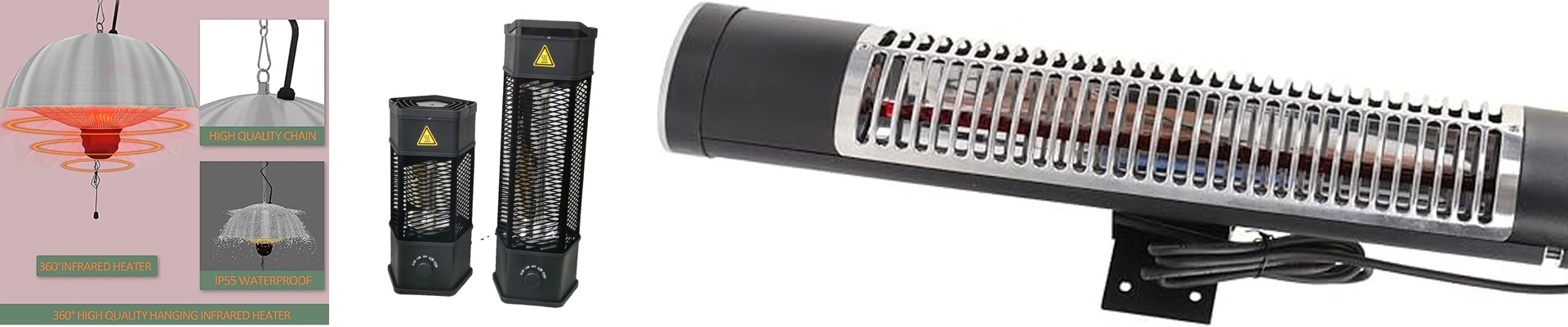
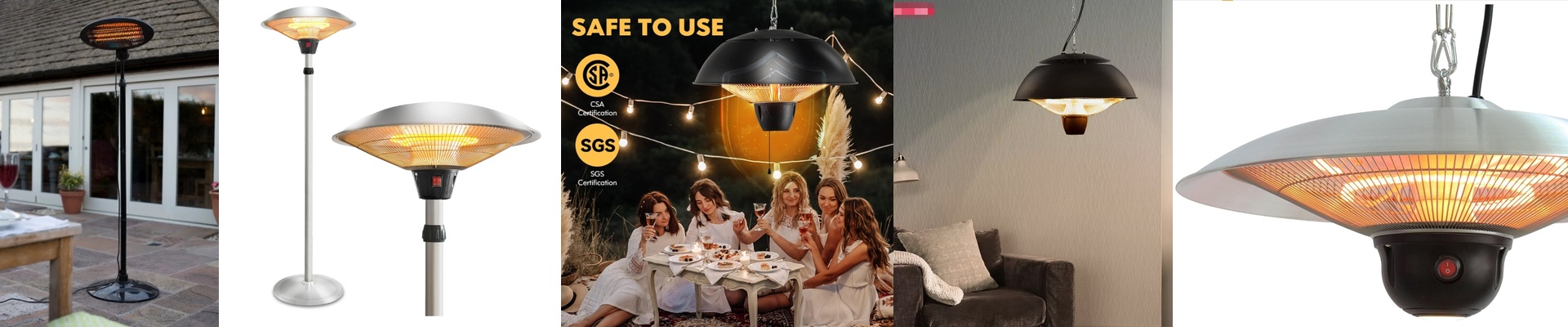
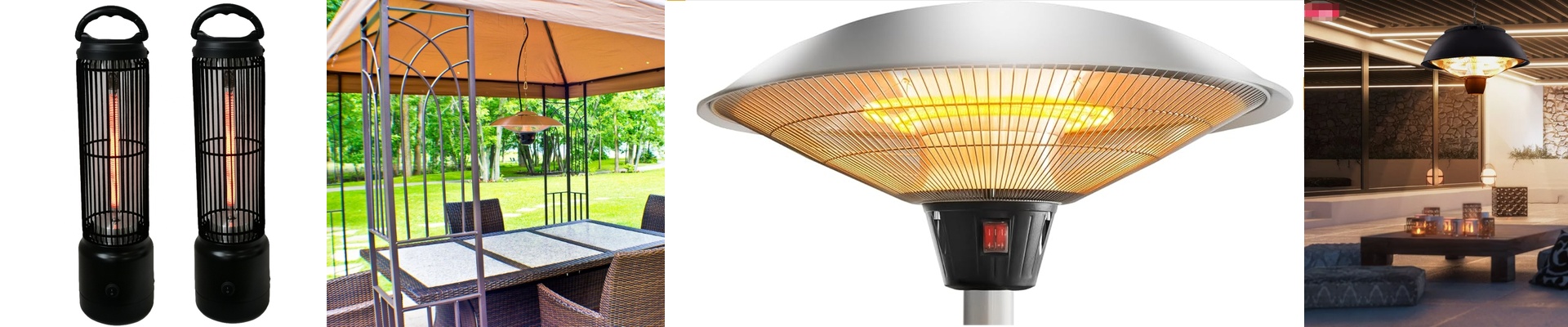
On the line, a tempering furnace misses its setpoint by even 5°C and you’ll see the glass bow—or worse, shatter on quench. In lamination, a slow ramp-up drags the cycle out and pushes EVA out of spec. None of this is theoretical. It shows up every shift as scrap, rework, and kilowatt-hours that should have been avoided. Medium wave infrared heater lamps get at the root of it: heat delivery that’s inefficient and uneven. Medium Wave Infrared: uniform heat, fast response, energy aimed where it matters Medium wave infrared puts energy into a band that glass absorbs readily, heating the surface and subsurface without overdriving convection. That gives you a more uniform thermal field across the sheet, which keeps thermal stress in check and holds optical distortion down. The quartz-tube filaments respond in seconds, not minutes, so setpoints track tight when glass size or pitch changes. Directed radiation focuses heat on the glass, not on fixtures or the air. That translates into repeatable profiles in tempering, bending, and lamination. Most lamps run on 230/400 V configurations and drop into standard holders, so you can replace aging halogen or short-wave modules without rewiring the whole oven. Why it plays on the glass line In tempering, the uniform field cuts down edge cooling anomalies, so yield improves—especially on thin glass and coated products. The fast response shortens the heat cycle, which bumps throughput without pushing peak load higher. In EVA/SGP/PVB lamination, a controlled ramp reduces bubbles and voids. Less rework, better optical clarity. For insulating glass sealing, directed heat speeds the primary seal without overheating the spacer adhesives. Edge quality gets more consistent. Energy use drops because more of the energy actually goes into the glass. When you swap out resistive or short-wave elements, you’ll see a measurable reduction in kWh per square meter. Installation and operating notes These lamps are drop-in replacements for many OEM modules, but uniformity still comes down to alignment and reflector condition. Install with verified spacing and reflector geometry to avoid hot spots, and make sure your control can handle the inrush current. Lamp output fades gradually with age. Recalibrate every 5,000 to 8,000 hours to keep the profile stable. Cold start warm-up is a bit longer than short-wave, but once you’re at temperature, control is tighter.
লাইন উৎপাদনে, একটি tempering furnace এর সেটপয়েন্ট থেকে মাত্র 5°C বিচ্যুতিও ঘটলেই আপনি গ্লাসে বাঁক দেখতে পাবেন—বা আরও খারাপ হলে, quench এ গ্লাস ফেটে যাবে। লেমিনেশনে, এক ধীরমাত্রার ত্বরণ সাইকেলকে দীর্ঘায়িত করে এবং EVA কে স্পেসিফিকেশন থেকে বের করে দেয়। এগুলো কেবল তাত্ত্বিক কথা নয়। এগুলো প্রতিটি শিফটে স্ক্র্যাপ, রিওয়ার্ক এবং এমন কিলোওয়াট ঘণ্টা হিসেবে ধরা দেয় যা এড়ানো উচিত ছিল। Medium wave infrared হিটার ল্যাম্পগুলি সমস্যার মূল কারণটি ধরেছে: তাপ সরবরাহ যা অকার্যকর এবং অসমান।
Medium Wave Infrared: একজাতীয় তাপ, দ্রুত প্রতিক্রিয়া, যেখানে প্রয়োজন সেখানেই শক্তি প্রবাহ
Medium wave infrared এনার্জি এমন একটি ব্যান্ডে প্রবেশ করায় যা গ্লাস সহজেই শোষণ করে, পৃষ্ঠ এবং সাবসারফেসকে তাপিত করে ব্যতিক্রম ছাড়াই কনভেকশনকে অতিরিক্ত চালিত করা হয় না। এতে শীট জুড়ে একটি সমমানের তাপীয় ক্ষেত্র তৈরি হয়, যা তাপীয় চাপ নিয়ন্ত্রণে রাখে এবং অপটিক্যাল বিকৃতি কমায়। কয়ার্টজ-টিউব ফিলামেন্ট সেকেন্ডের মধ্যে প্রতিক্রিয়া দেখায়, মিনিট নয়, ফলে গ্লাসের আকার বা পিচ পরিবর্তন হলে সেটপয়েন্ট সঠিকভাবে ট্র্যাক করে।
নির্দেশিত বিকিরণ গ্লাসের উপর তাপ কেন্দ্রীভূত করে, ফিক্সচার বা বায়ুর উপর নয়। এটি tempering, বেন্ডিং এবং লেমিনেশনে পুনরাবৃত্ত প্রোফাইল তৈরি করে। বেশিরভাগ ল্যাম্প 230/400 V কনফিগারেশনে চলে এবং স্ট্যান্ডার্ড হোল্ডারে বসে, তাই পুরো ওভেনের রিওয়্যারিং ছাড়াই পুরনো হলোজেন বা শর্ট-ওয়েভ মডিউল পরিবর্তন করা যায়।
গ্লাস লাইন এ ব্যবহারিক কারণ
Tempering এ, সমজাতীয় ক্ষেত্র এজ কুলিং অস্বাভাবিকতা কমিয়ে দেয়, তাই ফলন উন্নত হয়—বিশেষ করে পাতলা গ্লাস এবং কোটেড পণ্যগুলিতে। দ্রুত প্রতিক্রিয়া তাপ চক্রকে ছোট করে, যা আউটপুট বাড়ায় পিক লোড বাড়ানো ছাড়াই।
EVA/SGP/PVB লেমিনেশনে, নিয়ন্ত্রিত ত্বরণ বুদবুদ ও ভয়েড কমায়। কম রিওয়ার্ক, স্পষ্ট অপটিক্যাল গুণমান।
ইনসুলেটিং গ্লাস সিলিংয়ে, নির্দেশিত তাপ প্রাথমিক সীলনের গতি বাড়ায় স্পেসার আঠারোগুলিকে অতিরিক্ত গরম না করে। এজের গুণমান আরও ধারাবাহিক হয়।
এনার্জি ব্যবহার কমে কারণ অধিকাংশ শক্তিই বাস্তবে গ্লাসে যায়। যখন আপনি রেজিস্টিভ বা শর্ট-ওয়েভ উপাদান পরিবর্তন করবেন, তখন প্রতি বর্গমিটারে kWh এর পরিমাপযোগ্য হ্রাস দেখতে পাবেন।
স্থাপন এবং অপারেটিং নোট
এই ল্যাম্পগুলি অনেক OEM মডিউলের ড্রপ-ইন রিপ্লেসমেন্ট, কিন্তু সমমান নির্ভর করে সঠিক অ্যালাইনমেন্ট এবং রিফ্লেক্টরের অবস্থার ওপর। হট স্পট এড়াতে যাচাইকৃত স্পেসিং এবং রিফ্লেক্টর জ্যামিতি সঙ্গে ইনস্টল করুন, এবং নিশ্চিত করুন আপনার কন্ট্রোল ইনরাশ কারেন্ট হ্যান্ডেল করতে সক্ষম।
ল্যাম্প আউটপুট বয়সের সাথে ধীরে ধীরে কমে যায়। প্রোফাইল স্থিতিশীল রাখতে প্রতি 5,000 থেকে 8,000 ঘন্টা পর রিক্যালিব্রেট করুন। ঠাণ্ডা শুরুতে ওয়ার্ম-আপ শর্ট-ওয়েভ থেকে কিছুটা বেশি সময় নেয়, কিন্তু তাপমাত্রায় পৌঁছানোর পর নিয়ন্ত্রণ আরও কঠোর হয়।