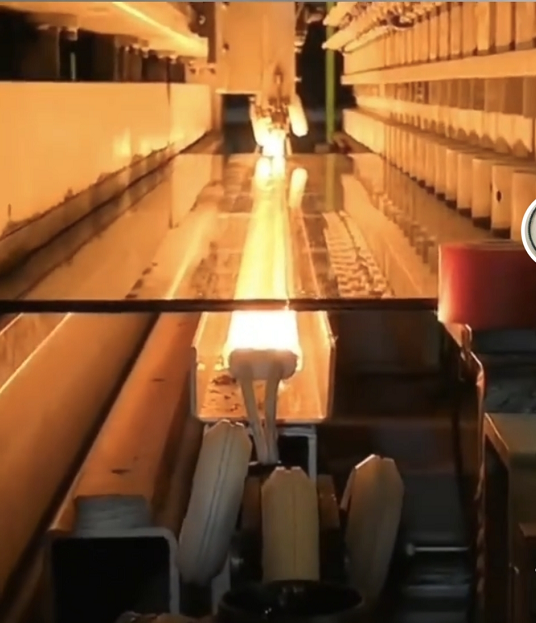
On the IG line, that edge sealant drying lamp isn’t a luxury. It’s the final thermal gate before the unit rolls out. When the lamp drags its feet, you get slow cure, uneven adhesion, and a real risk of thermal stress—enough to crack glass during handling or later, in the field, when temperatures swing. You need temperature you can count on, dwell that repeats, and a heating profile that matches the sealant chemistry without cooking the primary seal. What we build it around We spec the edge sealant drying lamp with short-wave NIR quartz emitters. They respond fast and dump energy straight into the sealant layer. That means quick heat-up with far less wasted air heating, so you drive bead temperature without soaking the glass edge. The output is tuned for industrial duty cycles—stable spectral output and repeatable power, even when the line runs 24/7. And the emitter layout is set up to create a uniform thermal field, so you don’t get hot spots that cause uneven cure and weak edge bonds. Why it fits the IG sealing process On insulating glass sealing, the edge bead cures fast and even, so the line keeps moving. No waiting around for convection heat to catch up. The lamp puts the heat where it matters—into the sealant—without pushing thermal stress into the glass. That matters, especially when the panes have been tempered or thermally strengthened. The payoff is shorter cycle times, fewer rejects from poor edge adhesion, and lower energy use compared to broad-spectrum heating that warms everything in the area. It drops into existing IG sealing stations as a straightforward heating module, with clean wiring and alignment that doesn’t fight the layout. Here is what you watch for NIR drying is line-of-sight, so the lamp has to cover the full bead width, and the spacing directly affects cure rate. Keep the quartz emitters clean and check reflectors regularly—coatings and dust change emissivity and throw off distribution. Match lamp power and dwell time to the sealant formulation and glass thickness, and verify the cure profile with temperature strips or a non-contact pyrometer.
ในสายการผลิต IG โคมไฟอบแห้งสารเคลือบขอบไม่ใช่ของฟุ่มเฟือย แต่เป็นประตูความร้อนขั้นสุดท้ายก่อนที่ยูนิตจะถูกส่งออก เมื่อโคมไฟทำงานช้า จะเกิดการบ่มช้า การยึดเกาะไม่สม่ำเสมอ และความเสี่ยงของความเค้นความร้อน—มากพอที่จะทำให้กระจกแตกร้าวระหว่างการจัดการหรือภายหลังในภาคสนามเมื่ออุณหภูมิเขยิบเปลี่ยน คุณจำเป็นต้องมีอุณหภูมิที่เชื่อถือได้ ระยะเวลาที่ซ้ำได้ และโปรไฟล์ความร้อนที่สอดคล้องกับเคมีของสารเคลือบโดยไม่ทำลายซีลหลัก
สิ่งที่เราสร้างขึ้นรอบตัวมัน เราเลือกใช้โคมไฟอบแห้งสารเคลือบขอบที่มีแหล่งกำเนิดแสงควอตซ์ NIR ช่วงคลื่นสั้น ซึ่งตอบสนองเร็วและส่งพลังงานตรงเข้าสู่ชั้นสารเคลือบโดยตรง นั่นหมายถึงการเพิ่มความร้อนอย่างรวดเร็วโดยสูญเสียความร้อนจากอากาศน้อยมาก ทำให้คุณควบคุมอุณหภูมิของบีดได้โดยไม่แช่ขอบกระจก กำลังขับถูกปรับให้เหมาะกับรอบงานอุตสาหกรรม—การส่งออกสเปกตรัมที่คงที่และพลังงานที่ทำซ้ำได้ แม้สายการผลิตจะทำงาน 24/7 และการจัดวางแหล่งกำเนิดถูกออกแบบเพื่อสร้างสนามความร้อนที่สม่ำเสมอ จึงไม่มีจุดร้อนที่ทำให้เกิดการบ่มไม่สม่ำเสมอและการยึดเกาะขอบที่อ่อนแอ
เหตุผลที่เหมาะกับกระบวนการซีล IG ในกระบวนการซีลกระจกฉนวน บีดขอบจะบ่มเร็วและสม่ำเสมอ ทำให้สายการผลิตเคลื่อนที่ต่อเนื่องโดยไม่ต้องรอความร้อนพาคชัน โคมไฟจะส่งความร้อนตรงจุดสำคัญคือสารเคลือบ โดยไม่ก่อให้เกิดความเค้นความร้อนในกระจก ซึ่งเป็นสิ่งสำคัญโดยเฉพาะเมื่อแผ่นกระจกได้รับการเทมเปอร์หรือเสริมความแข็งแรงด้วยความร้อน ผลลัพธ์คือรอบเวลาการผลิตสั้นลง ของเสียจากการยึดเกาะขอบไม่ดีลดลง และการใช้พลังงานต่ำกว่าการใช้ความร้อนสเปกตรัมกว้างที่ทำให้ทุกอย่างในบริเวณร้อนขึ้น โคมไฟนี้สามารถติดตั้งในสถานีซีล IG ที่มีอยู่เป็นโมดูลความร้อนที่ตรงไปตรงมา มีการเดินสายไฟสะอาดและการจัดตำแหน่งที่ไม่ขัดกับการวางผัง
สิ่งที่ต้องเฝ้าระวัง การอบแห้งด้วย NIR เป็นแบบสายตา ดังนั้นโคมไฟจึงต้องครอบคลุมความกว้างของบีดทั้งหมด และระยะห่างจะมีผลโดยตรงต่ออัตราการบ่ม รักษาความสะอาดของแหล่งกำเนิดควอตซ์และตรวจสอบตัวสะท้อนอย่างสม่ำเสมอ—ชั้นเคลือบและฝุ่นจะเปลี่ยนค่าการแผ่รังสีและทำให้การกระจายความร้อนผิดเพี้ยน จับคู่กำลังโคมไฟและระยะเวลาการอบแห้งกับสูตรสารเคลือบและความหนาของกระจก และตรวจสอบโปรไฟล์การบ่มด้วยแถบวัดอุณหภูมิหรือไพโรมิเตอร์แบบไม่สัมผัส