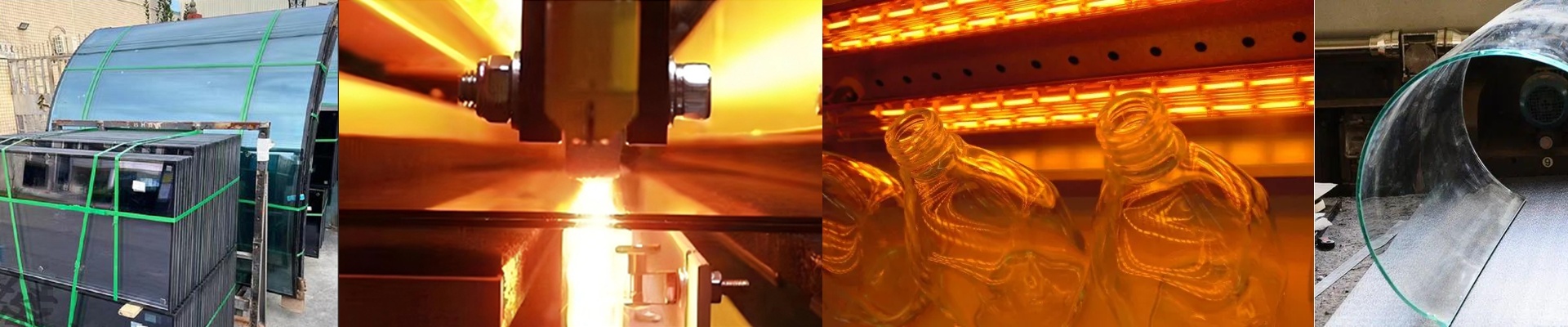
On the bottle line, a sloppy heat profile doesn’t just burn gas—it bakes stress right into the glass. When annealing isn’t balanced, you’ll see spontaneous cracks, wavy walls, and dimensions that drift so much QC can’t sign off.
What matters under the hood
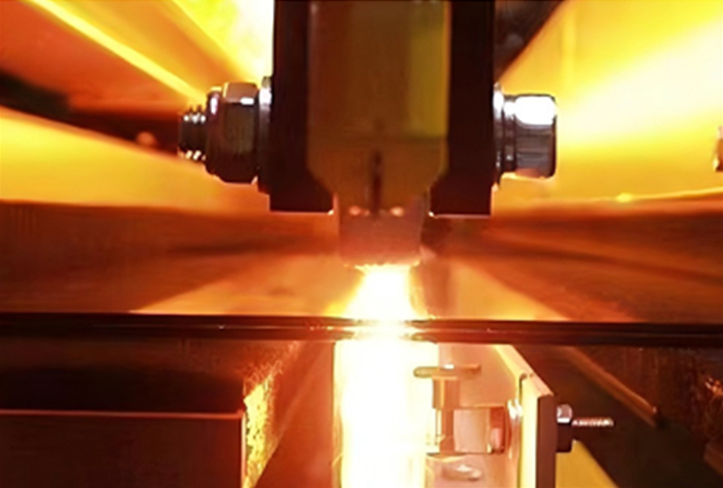
We built the bottle annealing furnace heater around medium-wave infrared emitters in a quartz envelope. They respond fast and hold output steady, even in oxidizing furnace atmospheres. The heater geometry is laid out to spread the thermal field evenly across the belt width, so you don’t get hot spots and cold zones that drive thermal gradients. The payoff is repeatable temperature uniformity across the load, with tight control over the annealing point and the cooling profile.
Why this works in practice
With bottle annealing, uniform heating is the only way to strip residual stress without writing new stress in during controlled cooling. When distribution is even, the glass relaxes at a consistent rate—so you get fewer thermal fractures, less distortion, and stable optical clarity. That means higher first-pass yield, fewer rejects, and cycle times you can plan around. Energy use drops, too, because the heater hits setpoint quickly and holds it without overshoot.
What you need to watch
Installation is straightforward, but furnace reflector condition and airflow around the heater make a real difference. Keep reflectors clean and maintain proper clearance so emissivity and convection do their jobs together. Make sure the voltage and termination match your existing busbar or connector layout.
In high-humidity plants, confirm the terminal housing ingress protection to prevent tracking. And plan replacements around production windows—emitter end-of-life is predictable, but you have to let the furnace cool to avoid thermal shock to the new module.
ในสายการผลิตขวด โปรไฟล์ความร้อนที่ไม่แม่นยำไม่เพียงแค่ทำให้แก๊สเผาไหม้เสียเปล่าเท่านั้น แต่ยังฝังความเครียดไว้ในแก้วโดยตรงด้วย เมื่อตัวกระบวนการอบแอนนีลไม่สมดุล จะเห็นรอยแตกร้าวเกิดขึ้นโดยทันที ผนังขวดบิดเบี้ยว และขนาดที่เบี่ยงเบนมากจนฝ่ายควบคุมคุณภาพไม่สามารถรับรองได้
สิ่งที่สำคัญภายในระบบ
เราออกแบบชุดฮีตเตอร์เตาอบแอนนีลสำหรับขวดโดยใช้ตัวปล่อยรังสีอินฟราเรดช่วงกลางที่บรรจุในเปลือกควอร์ตซ์ ตัวปล่อยเหล่านี้ตอบสนองได้รวดเร็วและรักษาความคงที่ของเอาต์พุตแม้ในบรรยากาศของเตาที่เป็นออกซิไดซ์ รูปทรงของฮีตเตอร์ได้รับการจัดวางเพื่อกระจายสนามความร้อนไปทั่วความกว้างของสายพานอย่างสม่ำเสมอ จึงหลีกเลี่ยงจุดร้อนและโซนเย็นที่ทำให้เกิดความต่างอุณหภูมิ ความได้เปรียบคือการรักษาความสม่ำเสมอของอุณหภูมิซ้ำได้ต่อเนื่องทั่วทั้งชิ้นงาน พร้อมการควบคุมจุดแอนนีลและโปรไฟล์การทำความเย็นอย่างเข้มงวด
ทำไมวิธีนี้จึงได้ผลในงานจริง
สำหรับการอบแอนนีลขวด การให้ความร้อนสม่ำเสมอคือวิธีเดียวที่จะกำจัดความเครียดยังค้างโดยไม่เพิ่มความเครียดใหม่ในช่วงการทำความเย็นที่ถูกควบคุม เมื่อการกระจายความร้อนสม่ำเสมอ แก้วจะคลายตัวด้วยอัตราคงที่ ส่งผลให้เกิดรอยแตกความร้อนน้อยลง การบิดเบี้ยวน้อยลง และความใสคงที่ของแก้วที่เสถียร นั่นหมายถึงอัตราการผ่านงานรอบแรกสูงขึ้น อัตราผลิตเสียลดลง และรอบเวลาการผลิตที่วางแผนได้ นอกจากนี้การใช้พลังงานยังลดลงด้วย เนื่องจากฮีตเตอร์สามารถขึ้นถึงค่าที่ตั้งไว้ได้อย่างรวดเร็วและรักษาไว้โดยไม่เกินค่า
สิ่งที่ต้องระวัง
การติดตั้งทำได้ง่าย แต่สภาพของตัวสะท้อนในเตาและการไหลของอากาศรอบฮีตเตอร์มีผลสำคัญ ควรรักษาความสะอาดของสะท้อนแสงและเว้นระยะห่างที่เหมาะสม เพื่อให้การแผ่รังสีและการพาความร้อนทำงานได้อย่างประสานกัน ตรวจสอบแรงดันไฟฟ้าและตำแหน่งสายต่อให้ตรงกับบัสบาร์หรือการเชื่อมต่อที่มีอยู่แล้ว
ในโรงงานที่มีความชื้นสูง ให้ตรวจสอบระดับการป้องกันการรุกล้ำของตัวครอบขั้วต่อเพื่อป้องกันการเกิดสัญญาณผิดปกติ และวางแผนการเปลี่ยนชิ้นส่วนตามช่วงเวลาการผลิต เนื่องจากอายุการใช้งานของตัวปล่อยรังสีสามารถคาดการณ์ได้ แต่ต้องปล่อยให้เตาเย็นก่อนเปลี่ยนโมดูลใหม่เพื่อหลีกเลี่ยงความเสียหายจากความร้อนฉับพลัน