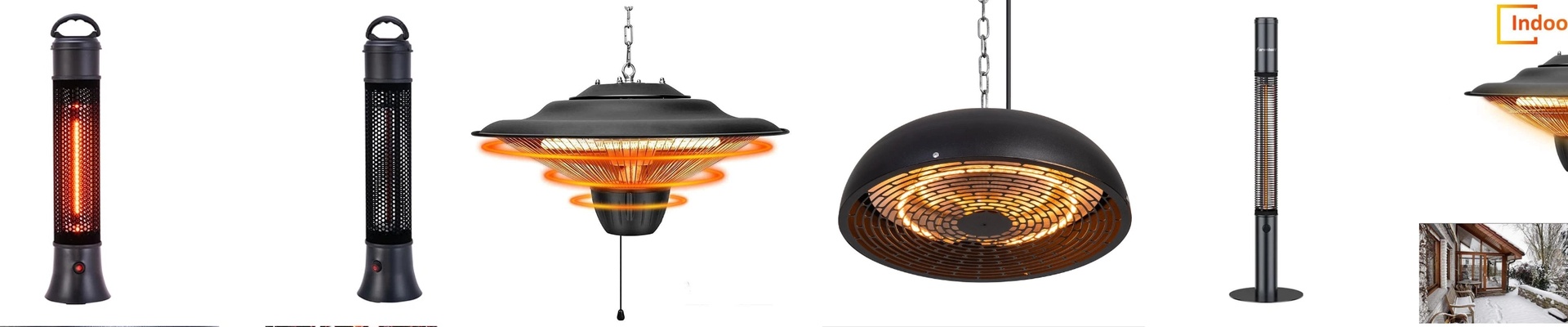
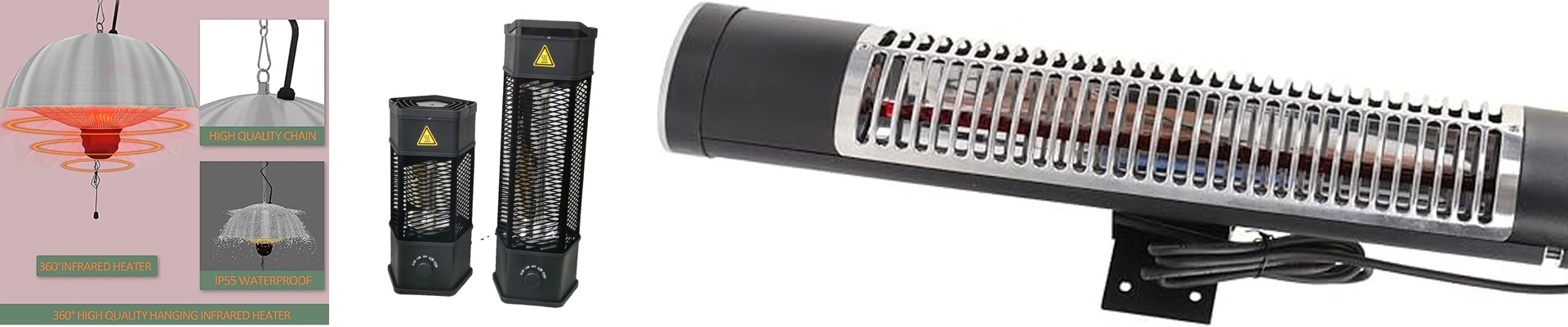
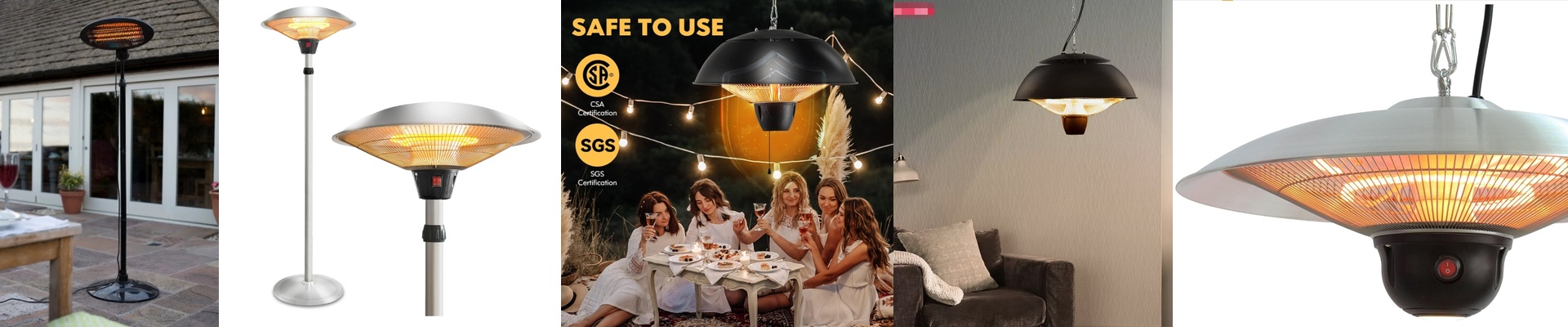

Outdoor evenings turn cold fast. One minute you’re enjoying the patio, the next you’re watching your infrared heater sputter and die—usually right where the power cord meets the body. That spot is the weak link. Heat, moisture, and vibration all hammer on it.
What actually matters under the hood
In a dependable infrared heater, the lead seal isn’t just a bit of insulation. It’s an engineered barrier. We build it with a high-temperature, dual-layer sealing method: a compression-fit, heat-stable compound locks the live wires in place, then a strain-relief collar finishes the job. The aim is straightforward—keep internal heat from cooking the insulation, keep moisture out, and stop the connection from working loose. The numbers matter because heat moves. A heater running at high watt density can create localized hot spots right at the cord entry. Our approach keeps that transition rated for continuous heat exposure, so the wiring stays cool and dry, even after long run cycles. Add a grounded chassis and standard safety protections, and the electrical path stays stable instead of turning into the failure point.
Why this matters in the real world
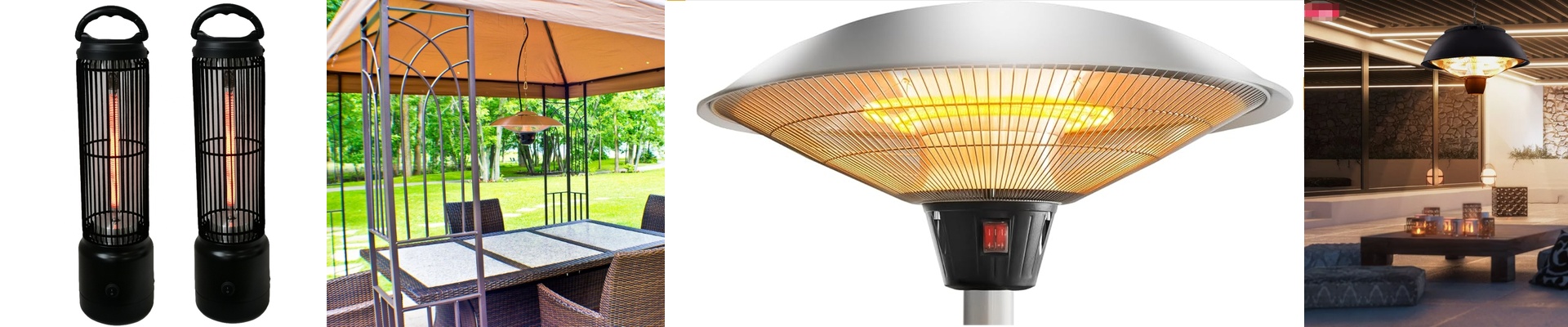
This is exactly what you need when the heater lives outside—under a roof edge, near a damp deck, or out in the open. The sealing stands up to rapid on-off cycling and seasonal temperature swings, so you get steady infrared warmth instead of surprise shutdowns. Fewer interruptions mean more comfortable evenings, and fewer replacements mean less hassle.
A few practical reminders
Even the best lead seal has limits. Keep the heater shielded from direct rain and heavy spray, and route the cord so it isn’t pinched under furniture or stepped on. For outdoor setups, plug into a properly grounded outlet and stick with cords and plugs rated for the environment. When those basics are covered, the sealing can do its job—quietly keeping your outdoor heating safe and steady.