


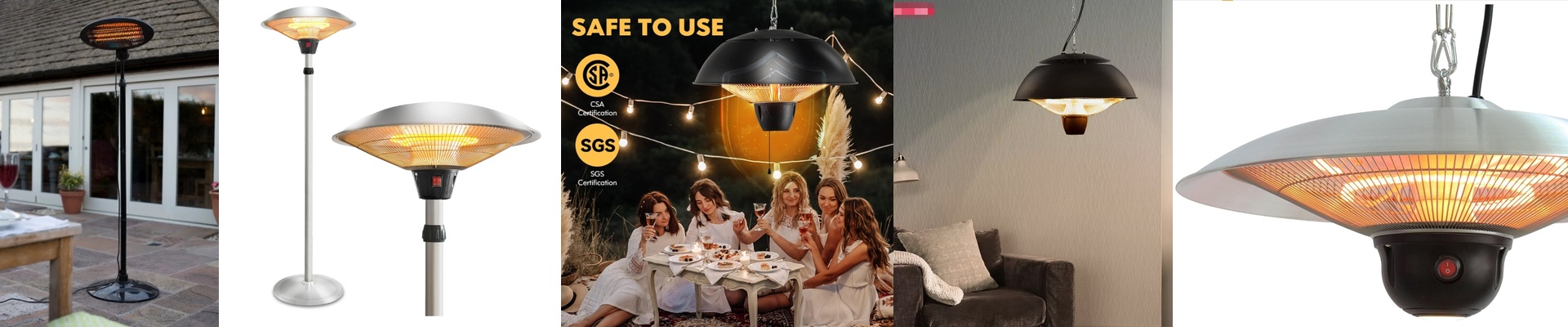


Why we’re ditching old bathroom heat lamps for recessed infrared
You know those old-school heat lamps? The ones with the giant, blinding bulbs that feel like they’re trying to tan you while you’re just trying to brush your teeth? They’re a pain. They burn out, they don’t actually heat the room evenly, and they just don’t handle steam very well. That’s why we’ve been moving toward recessed infrared heaters. It’s not just about making the ceiling look cleaner—it’s about actually making the thing work in a room full of steam. The battle against moisture Bathrooms are brutal on electronics. Between the shower steam and the occasional splash, your electrical contacts are basically sitting in a sauna. Old lamps usually have these little gaps where moisture creeps in, settles, and eventually kills the unit. The recessed ones we use are sealed tight. They have high IP ratings, which is just a fancy way of saying they keep the water out. Since the unit sits flush in the ceiling, there are no weird edges or protrusions for condensation to drip onto. It just stays dry. It stays safe. Heat that actually hits you Here is the best part: the heat is instant. Traditional heaters try to warm up all the air in the room, which takes forever. Infrared is different. It sends heat directly to your skin and the surfaces around you. You step under it, and you feel it immediately. No waiting around shivering in a towel. We use quartz or halogen elements because they can switch on and off fast without breaking a sweat. You get a ton of warmth without needing a massive piece of equipment. A few things to watch out for Now, you can’t just shove these into any ceiling. You need a precise cutout and enough room behind the unit for the heat sink to breathe. If you try to cram one into a shallow drop ceiling without checking the depth, you’re asking for trouble. Plus, if your bathroom ventilation is garbage, that heat can get trapped above the ceiling and wear out your wiring over time. And for the love of everything, make sure it’s on a GFCI circuit. You’re dealing with high current in a wet zone—safety isn’t optional here. But once it’s in? It’s a different world. You trade those fragile, flickering bulbs for a sealed system that can take a beating from the humidity and keep you warm every single morning.